London's 2026 West End season is generating secondary-market ticket premiums of 3-5x face value and growing memorabilia auction volumes. Asian family offices are increasingly treating theatre access and production IP as cultural-capital allocation signals alongside art, wine, and whisky cask investments.
Why London Theatre Matters as a Cultural Capital Signal in 2026
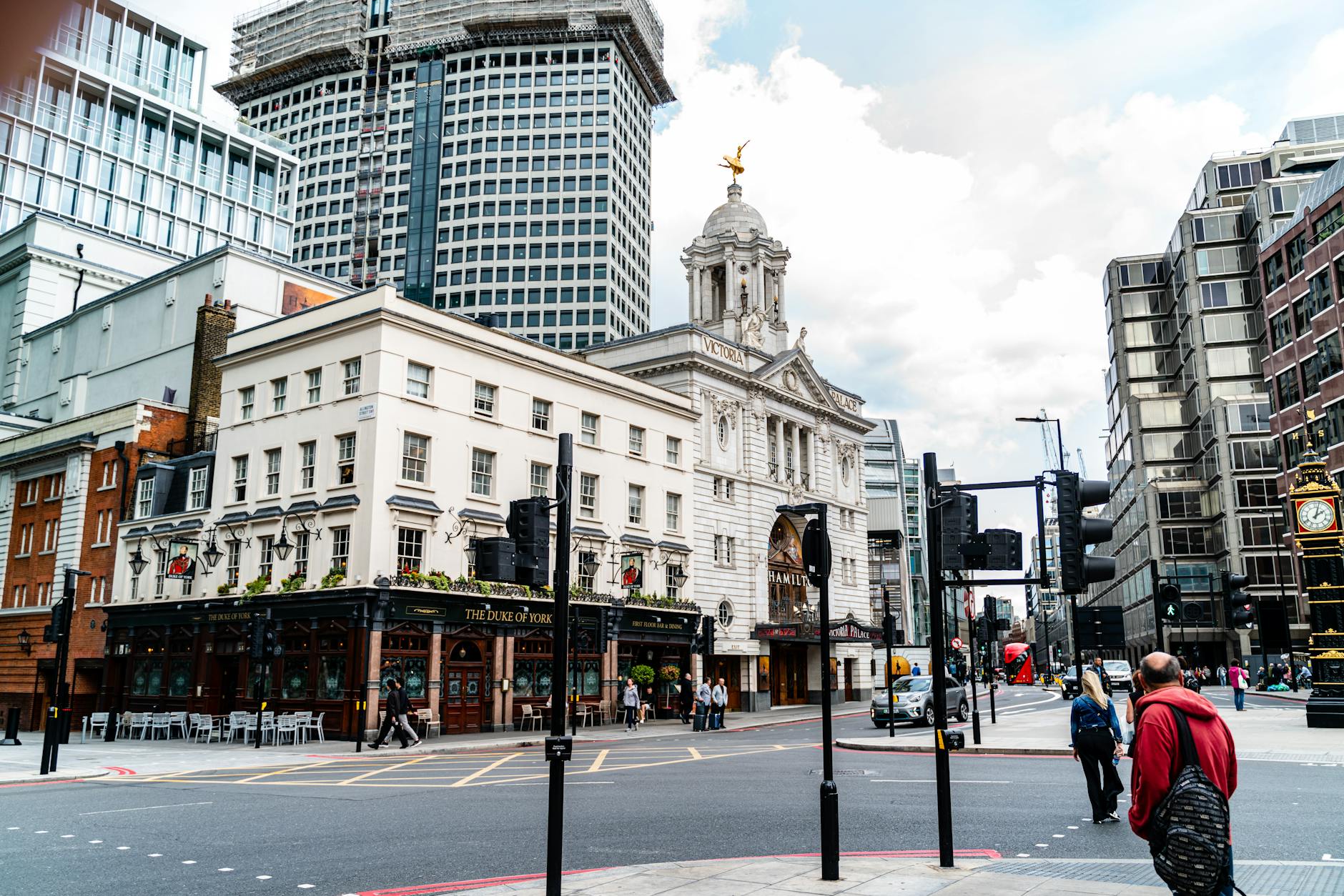
London's West End generated £896 million in box-office revenue in 2024, according to the Society of London Theatre, and preliminary 2025 figures suggest the market is tracking toward £950 million — a trajectory that positions the sector as one of the most resilient experiential economies in the world. For Asia-Pacific family offices and private wealth managers, this is not merely a cultural footnote. The West End functions as a leading indicator of high-net-worth discretionary spending, a barometer for London real estate sentiment, and increasingly, a feeder market for collectible memorabilia, signed playbills, and production art that trade on specialist platforms at meaningful premiums.
Secondary-market ticket pricing for the most anticipated 2026 productions has already reached multiples that rival limited-edition watch releases. Verified resale platforms are recording face-value multiples of 3x to 5x for opening-night seats at marquee productions, a dynamic that mirrors the sneaker and luxury goods secondary markets that Asian collectors have long navigated with sophistication. Singapore and Hong Kong-based concierge firms report that theatre access packages — combining premium seats, backstage experiences, and cast dinners — are being bundled into bespoke London itineraries priced at SGD 15,000 to SGD 40,000 per couple.
The Productions Commanding the Highest Market Premiums
The 2026 West End calendar is anchored by several productions that are already driving outsized demand. A major revival of a canonical British musical at the Palladium — with a cast announcement drawing international press — has sold out its first three months of performances, with premium resale seats listed above £800 per ticket. A new straight play at the National Theatre, featuring a two-time Olivier Award-winning director and a cast drawn from both Hollywood and the Royal Shakespeare Company, has attracted institutional sponsorship from a Tier 1 asset manager seeking cultural brand alignment, a growing trend that signals the sector's maturation as a prestige vehicle.
On the musical theatre side, a new original production at the Savoy Theatre — the first in over a decade to debut without a pre-existing IP framework — has attracted pre-production investment from a Hong Kong-based entertainment fund, underscoring the growing appetite among Asian capital allocators for exposure to live entertainment intellectual property. Production IP, when structured correctly, can generate royalty streams across touring productions, cast recordings, and licensing deals that compound over a 10-to-20-year horizon, a return profile that resonates with the patient capital mandates common among regional family offices.
Collectible and Memorabilia Markets Tied to West End Productions
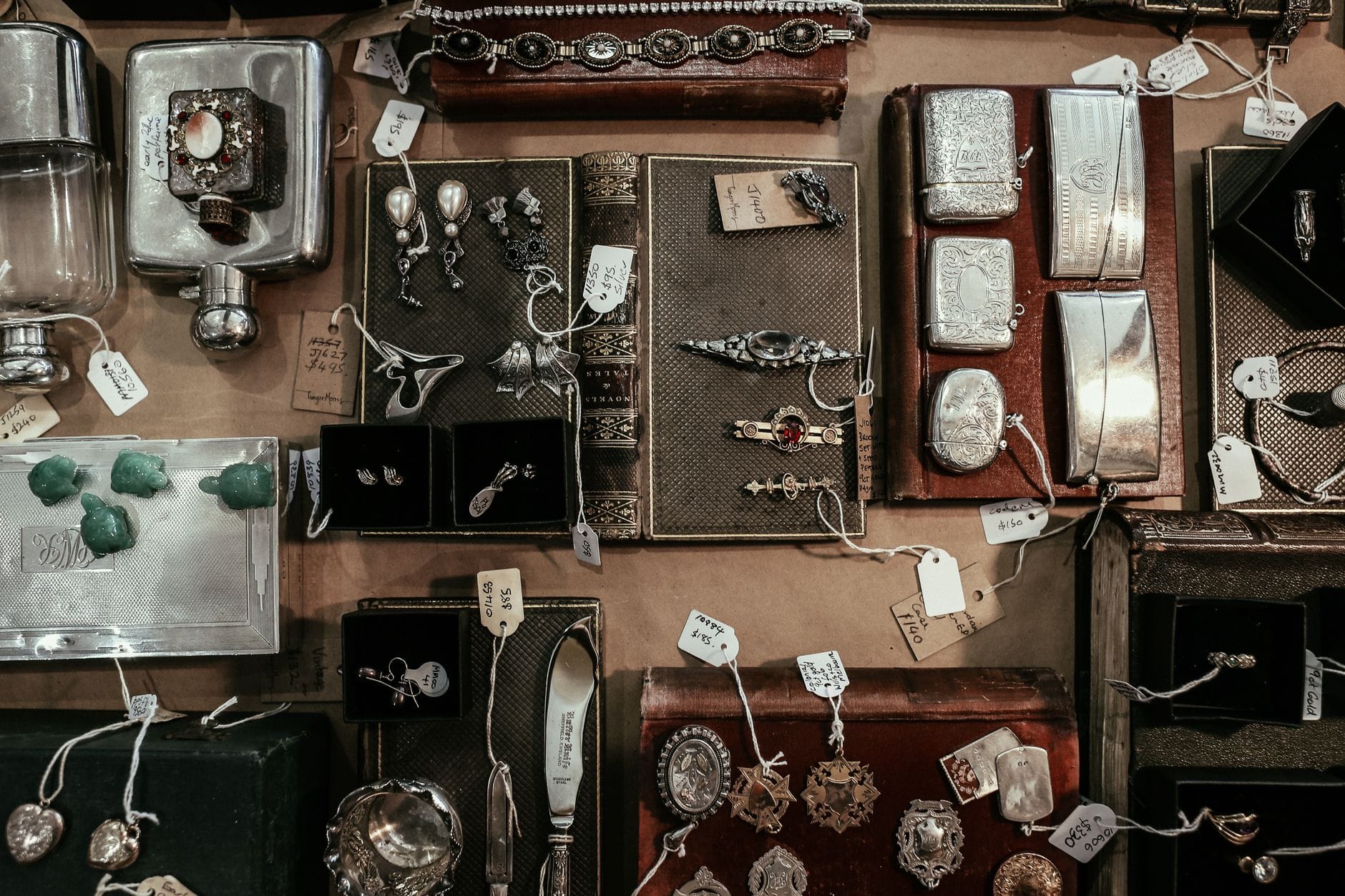
The collectibles market adjacent to West End theatre is small but growing at a measurable pace. Heritage Auctions and Bonhams both reported increased volumes in theatre memorabilia in 2024 and 2025, with original costume pieces from landmark productions achieving hammer prices between £8,000 and £45,000. Signed limited-edition production artwork — particularly from productions with strong visual identities — is being acquired by collectors in Tokyo, Seoul, and Singapore who view them as culturally resonant alternatives to contemporary print editions. The scarcity mechanics are compelling: a run of 500 signed lithographs for a major 2026 production, priced at £350 at point of sale, is already trading at £900 to £1,200 on secondary platforms ahead of opening night.
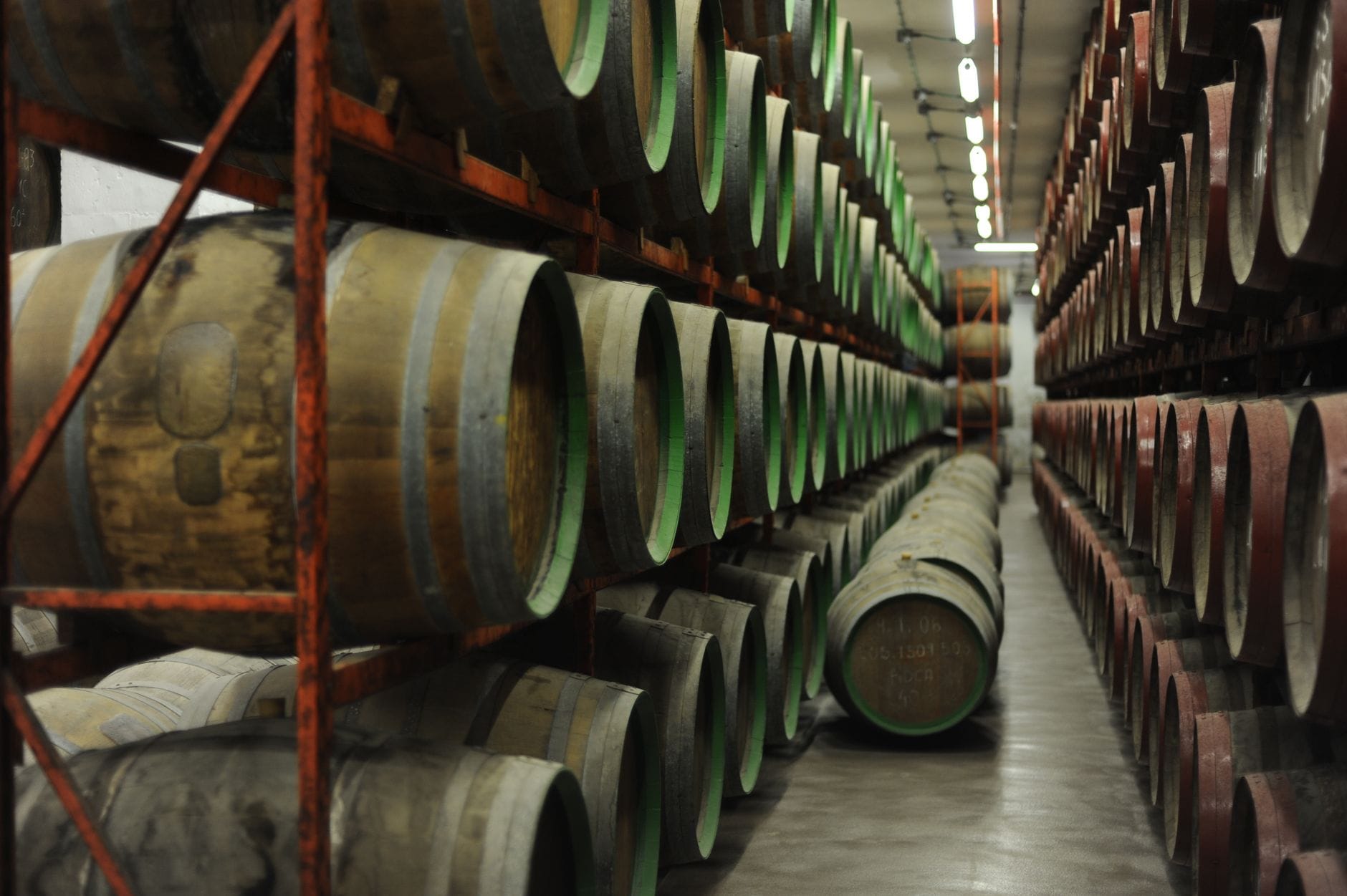
For investors already active in whisky casks, fine wine, or rare watches, the logic is familiar: finite supply, high cultural desirability, and a global buyer base concentrated among affluent demographics. The difference is that theatre memorabilia remains under-institutionalised, meaning price discovery is less efficient and early-mover advantages are more pronounced. Asian collectors who built positions in Banksy prints or Macallan 1926 bottles before those markets matured will recognise the pattern.
Asia-Pacific Buyer Flows and the London Cultural Tourism Premium
VisitBritain data confirms that high-spending visitors from China, Japan, South Korea, and Singapore consistently rank theatre attendance among their top three London activities, alongside fine dining and museum visits. The average spend per trip among this cohort exceeds £4,200, with theatre tickets and associated hospitality accounting for approximately 18% of total expenditure. London's cultural infrastructure — the depth of its producing theatres, the concentration of global talent, and the city's status as a neutral luxury destination for Asian HNW travellers — means that West End access is increasingly being treated as a premium amenity rather than a discretionary add-on.
Private banks in Singapore and Hong Kong are beginning to incorporate curated cultural access — including West End packages — into their client lifestyle programmes, sitting alongside wine cellar management and art advisory services. This signals an institutional recognition that experiential assets and cultural capital are not peripheral to wealth management but are central to client retention and intergenerational engagement. The 2026 London theatre season, with its combination of high-profile revivals, original IP, and secondary-market momentum, is precisely the kind of environment where that thesis is being tested in real time.
Frequently Asked Questions
How does West End theatre relate to alternative asset allocation for Asian investors?
Theatre-adjacent assets — production IP, signed memorabilia, collectible playbills, and costume pieces — are emerging as a niche but measurable alternative collectibles category. Additionally, London theatre access packages are being integrated into private bank lifestyle programmes across Singapore and Hong Kong, reflecting the sector's growing relevance to HNW wealth management.
What are the secondary-market ticket premiums for top 2026 West End productions?
Verified resale platforms are recording face-value multiples of 3x to 5x for opening-night and premium performances at marquee 2026 productions. Some individual seats are listed above £800, compared to face values of £150 to £200, driven by constrained supply and strong international demand.
Are Asian investors actively participating in West End production financing?
Yes. At least one Hong Kong-based entertainment fund has taken a pre-production equity position in a new 2026 Savoy Theatre musical, seeking exposure to production IP royalty streams. This reflects a broader trend of Asian capital seeking culturally resonant alternative income streams with long compounding horizons.
What is the size of the West End theatre memorabilia market?
The market remains under-institutionalised, but auction volumes at Heritage Auctions and Bonhams have grown steadily. Original costume pieces from landmark productions have achieved hammer prices of £8,000 to £45,000, while limited-edition signed production artwork is trading at 2.5x to 3.5x issue price on secondary platforms ahead of major 2026 openings.
How does London theatre cultural tourism affect Asian HNW spending patterns?
VisitBritain data shows that high-spending Asian visitors — particularly from China, Japan, South Korea, and Singapore — allocate approximately 18% of their London trip expenditure to theatre tickets and associated hospitality. Average total spend per trip for this cohort exceeds £4,200, making theatre access a meaningful component of London's premium tourism economy.
💼 Exploring alternative asset allocation? Speak to Whisky Cask Club — Singapore's leading specialists in Scottish whisky cask investment.