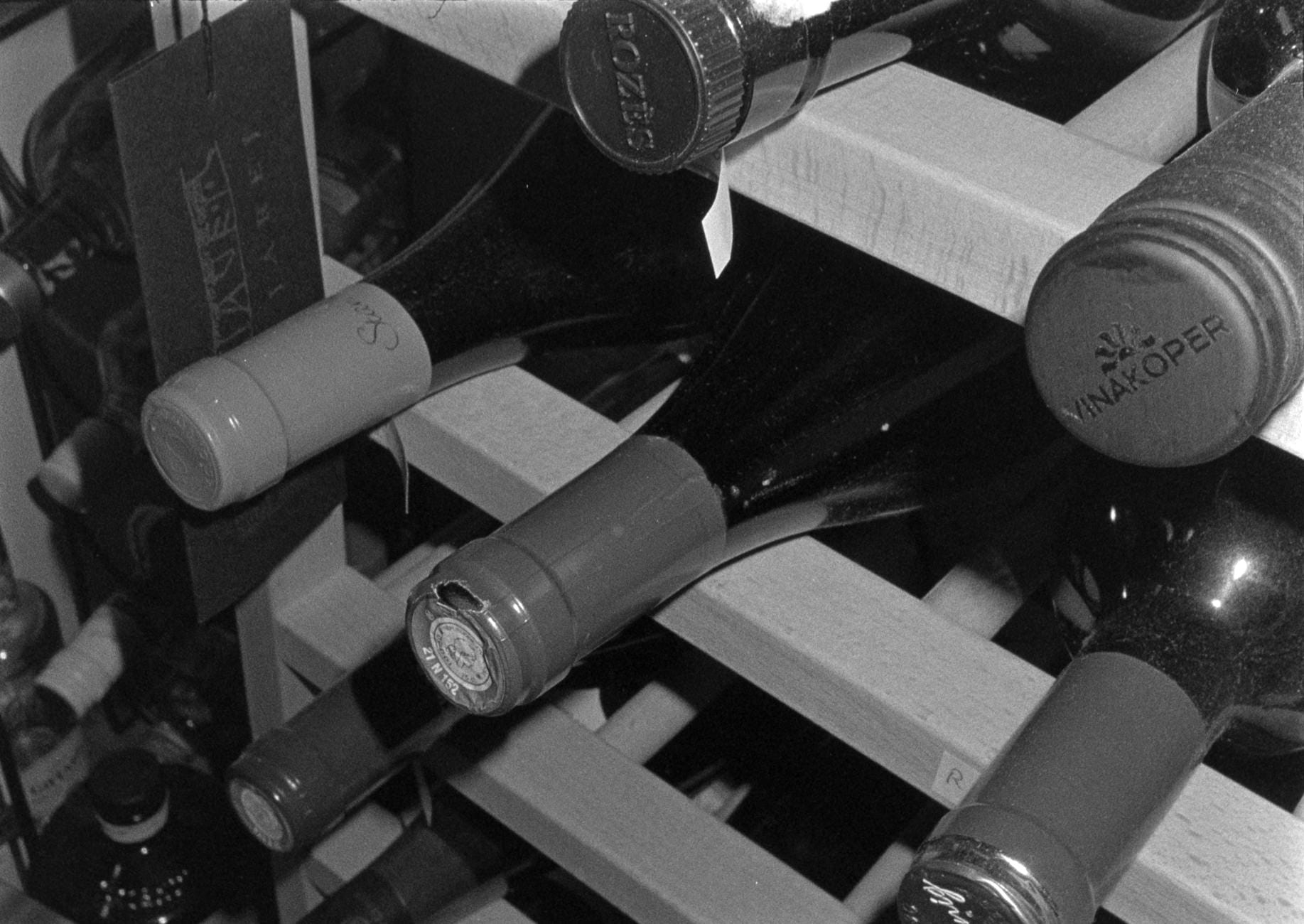
Saint-Tropez beach clubs illustrate how scarcity and provenance drive asset appreciation — a model directly applicable to Scotch whisky casks, fine wine, and vintage watches favoured by Asian family offices allocating 5–10% to tangible alternatives.
Saint-Tropez Beach Clubs as Alternative Assets: What Investors Need to Know
Saint-Tropez beach clubs are no longer merely sun-soaked leisure venues — they have become a lens through which sophisticated Asian family offices are examining the broader investable universe of experiential luxury real estate and its adjacent collectible markets. Hospitality assets anchored to iconic Riviera destinations have appreciated at compound rates exceeding 12% annually over the past decade, according to Knight Frank's 2024 Wealth Report, outpacing many traditional fixed-income instruments. For high-net-worth investors across Hong Kong, Singapore, and Bangkok, the cultural cachet of Saint-Tropez serves as a useful benchmark when evaluating premium lifestyle assets — from waterfront hospitality stakes to the rare bottles of Provençal rosé that change hands at auction for multiples of their retail value.
The Pampelonne Beach strip, home to legendary clubs including Club 55, Nikki Beach, and Bagatelle, generated an estimated €180 million in combined seasonal revenue in 2023, with average daily spend per guest exceeding €600 at the top-tier establishments. These numbers matter to investors because they underpin the valuation of the real estate licences, the brand equity, and — critically — the cellar inventories that accompany these properties. A single magnum of Château Minuty Rosé, the house pour at Club 55, retailed at €85 on-site but has traded at secondary market premiums of 30–40% when sourced in limited allocation formats.
What Is Driving Asian Buyer Interest in Riviera Lifestyle Assets?
Asian ultra-high-net-worth individuals now account for approximately 28% of all luxury real estate transactions on the Côte d'Azur, according to Savills data from Q1 2024, up from 17% a decade ago. Singaporean and Hong Kong-based family offices have been particularly active, drawn by the euro's relative weakness against the Singapore dollar and the structural scarcity of beachfront licensing rights, which are capped by French coastal regulations. This scarcity premium is directly analogous to the supply constraints that make aged Scotch whisky casks, Burgundy grand cru allocations, and pre-1980 Swiss watches compelling stores of value.
The investment thesis is not purely real estate. Buyers acquiring villa estates adjacent to Pampelonne Beach are increasingly treating the cellar contents — cases of aged Domaine Ott, Minuty, and Miraval — as discrete alternative asset positions. Miraval Rosé, co-owned by Brad Pitt and the Perrin family of Château Beaucastel, sold its Studio by Miraval limited release at €700 per bottle on allocation, with secondary prices touching €1,200 within six months of release in 2023. Asian collectors, particularly those operating through Singapore-based wine investment platforms, captured a disproportionate share of that appreciation.
How Do Beach Club Collectibles Compare to Other Tangible Asset Classes?
When benchmarked against other tangible alternatives, Provençal fine wine occupies a mid-tier volatility profile — lower than single-malt whisky casks but higher than blue-chip Bordeaux. The Liv-ex Fine Wine 1000 index posted a 12.3% gain in the five years to December 2023, while the Scotch Whisky secondary market, tracked by WhiskyStats.com, recorded average cask appreciation of 14–18% annually over the same period for first-fill ex-bourbon barrels from distilleries including Springbank, Glenfarclas, and Craigellachie. For Asian investors already familiar with the provenance-driven scarcity model — whether applied to Hermès Birkins, vintage Rolex references, or aged Cognac — the logic of whisky cask ownership as a portfolio diversifier is immediately legible.
The minimum ticket for a quality Scotch whisky cask from a reputable distillery currently sits between SGD 8,000 and SGD 25,000 depending on age, distillery, and fill date, making it accessible to a far broader segment of Asian private banking clients than Riviera real estate. Liquidity has also improved materially: specialist brokers in Singapore and Hong Kong now facilitate cask-to-cask trades and bottle-out exits with settlement cycles of 30–60 days, comparable to mid-market art transactions. The storage and insurance cost structure — typically 1–2% of asset value annually — is meaningfully lower than the carrying costs associated with waterfront hospitality real estate.
Why Does the Saint-Tropez Premium Persist — and What Does It Signal?
The enduring pricing power of Saint-Tropez as a luxury destination reflects something structurally important: scarcity of authentic provenance commands a durable premium regardless of asset class. The same dynamic that keeps Club 55 waitlists full through August — a combination of genuine heritage, regulated supply, and aspirational demand from emerging-market wealth — is precisely what underpins the investment case for aged Scotch whisky, allocated Burgundy, and certified vintage timepieces. For Asian family offices building multi-asset alternative portfolios, the Riviera is less a holiday destination and more a case study in how scarcity, brand equity, and global demand converge to create investable value.
Singapore-based advisers report growing interest from Indonesian, Thai, and Malaysian clients in tangible alternative assets that carry cultural resonance in both Western and Asian contexts — a criterion that Scotch whisky casks, fine wine, and classic European watches satisfy simultaneously. Allocations of 5–10% of liquid investable assets to these categories are increasingly standard in discretionary mandates managed out of Singapore and Hong Kong. The Saint-Tropez beach club, in this reading, is not a destination but a data point — evidence that experiential scarcity translates reliably into asset appreciation across geographies and asset classes.
Frequently Asked Questions
What alternative assets are linked to the Saint-Tropez luxury market?
Beyond direct real estate, investors are tracking Provençal fine wine (Miraval, Minuty, Domaine Ott), hospitality brand equity, and adjacent collectibles including aged Scotch whisky casks and allocated Burgundy. These assets share the scarcity and provenance characteristics that drive Saint-Tropez's premium pricing.
How accessible are Scotch whisky casks for Asian investors?
Entry-level casks from reputable Scottish distilleries start at approximately SGD 8,000–25,000, with storage and insurance costs of 1–2% annually. Singapore-based specialists facilitate purchases, storage in bonded Scottish warehouses, and eventual exit via secondary sale or bottling.
What returns have Scotch whisky casks delivered historically?
According to WhiskyStats.com data, first-fill ex-bourbon casks from premium distilleries have averaged 14–18% annual appreciation over the five years to 2023, outperforming the Liv-ex Fine Wine 1000 index (12.3% over the same period) and many traditional fixed-income instruments.
Why are Asian family offices increasing allocations to tangible alternatives?
Structural drivers include currency diversification, inflation hedging, low correlation to listed equities, and the cultural resonance of provenance-driven assets. Singapore and Hong Kong family offices are allocating 5–10% of liquid portfolios to categories including whisky casks, fine wine, vintage watches, and art.
How does the scarcity model of beach club culture apply to whisky investment?
Both rely on regulated or natural supply constraints — French coastal licensing caps beach club supply, while finite distillery output and maturation time cap whisky cask supply. In both cases, rising global demand from Asian wealth meets structurally limited inventory, creating durable price appreciation.
💼 Exploring alternative asset allocation? Speak to Whisky Cask Club — Singapore's leading specialists in Scottish whisky cask investment.