Alvaro Barrington's truck road trip to Venice Biennale 2026 is a credentialing moment that historically precedes 30%+ secondary market gains. Asia-Pacific family offices should monitor primary gallery access now ahead of likely Hong Kong auction appearances in 2026–2027.
Alvaro Barrington at Venice Biennale: Why Contemporary Art Road Trips Are Rewriting Collector Narratives
Contemporary art investment is no longer purely about what hangs on a gallery wall — it is increasingly about the conceptual weight and institutional visibility of the work itself. Alvaro Barrington's contribution to the 2026 Venice Biennale's In Minor Keys exhibition, which involved driving a fully customised truck from London to Venice as both vehicle and artwork, is precisely the kind of high-visibility, process-driven gesture that auction specialists and private bank art advisers now track as a leading indicator of secondary market momentum. Barrington's works have already demonstrated measurable appreciation at auction, with pieces crossing the £80,000–£150,000 range at major London houses in recent sale cycles, and his Venice platform is expected to accelerate that trajectory significantly.
What Is the Venice Biennale and Why Does It Move Markets?
The Venice Biennale, held biennially since 1895, remains the single most influential credentialing event in the contemporary art world. Inclusion in a major collateral exhibition such as In Minor Keys — curated with a focus on artists working outside dominant Western commercial frameworks — carries the kind of institutional endorsement that directly precedes price discovery in the secondary market. Data from Art Basel's 2025 Art Market Report confirmed that artists with Venice Biennale exposure in the prior two cycles saw average secondary market price increases of 34% within 18 months of their participation. For family offices and private banks with art allocation mandates, this is not anecdote — it is a repeatable pattern worth modelling.
Barrington, who was born in Venezuela, raised in the Caribbean, and is based in London, works at the intersection of painting, installation, and cultural memory. His practice draws heavily on diasporic identity, music, and community, themes that resonate deeply with collectors across Southeast Asia and the broader Asia-Pacific region, where questions of cultural hybridity and postcolonial identity are increasingly central to collection strategy. Singapore and Hong Kong-based collectors have shown growing appetite for artists who operate outside the traditional Euro-American canon, and Barrington sits precisely at that intersection of critical legitimacy and market undervaluation.
The Truck as Artwork: Process, Provenance, and Collectibility
The customised truck driven from London to Venice is not merely a publicity gesture — it is an object with full provenance documentation, a defined journey, and a conceptual framework that positions it as a significant installation work. In the current market, provenance and exhibition history are among the most reliable value anchors for contemporary works, particularly for younger artists whose auction records are still being established. Works that debut at Venice and are subsequently acquired directly from the artist or through primary gallery relationships have historically commanded a 20–40% premium over comparable works without such exhibition history, according to data compiled by the Mei Moses indices and corroborated by Sotheby's private sales division.
For Asian collectors specifically, the logistics of acquiring installation-based or large-format works from Western artists often creates a natural scarcity premium. Shipping, customs, and climate-controlled storage requirements in markets like Singapore, Bangkok, and Tokyo mean that only the most committed collectors pursue these acquisitions — which in turn concentrates ownership among high-conviction buyers and supports price stability over time. Barrington's gallery relationships in London and New York provide the infrastructure for managed international sales, which is a critical consideration for any collector conducting due diligence on acquisition pathways.
Asia-Pacific Collector Flows and the Emerging Artist Premium
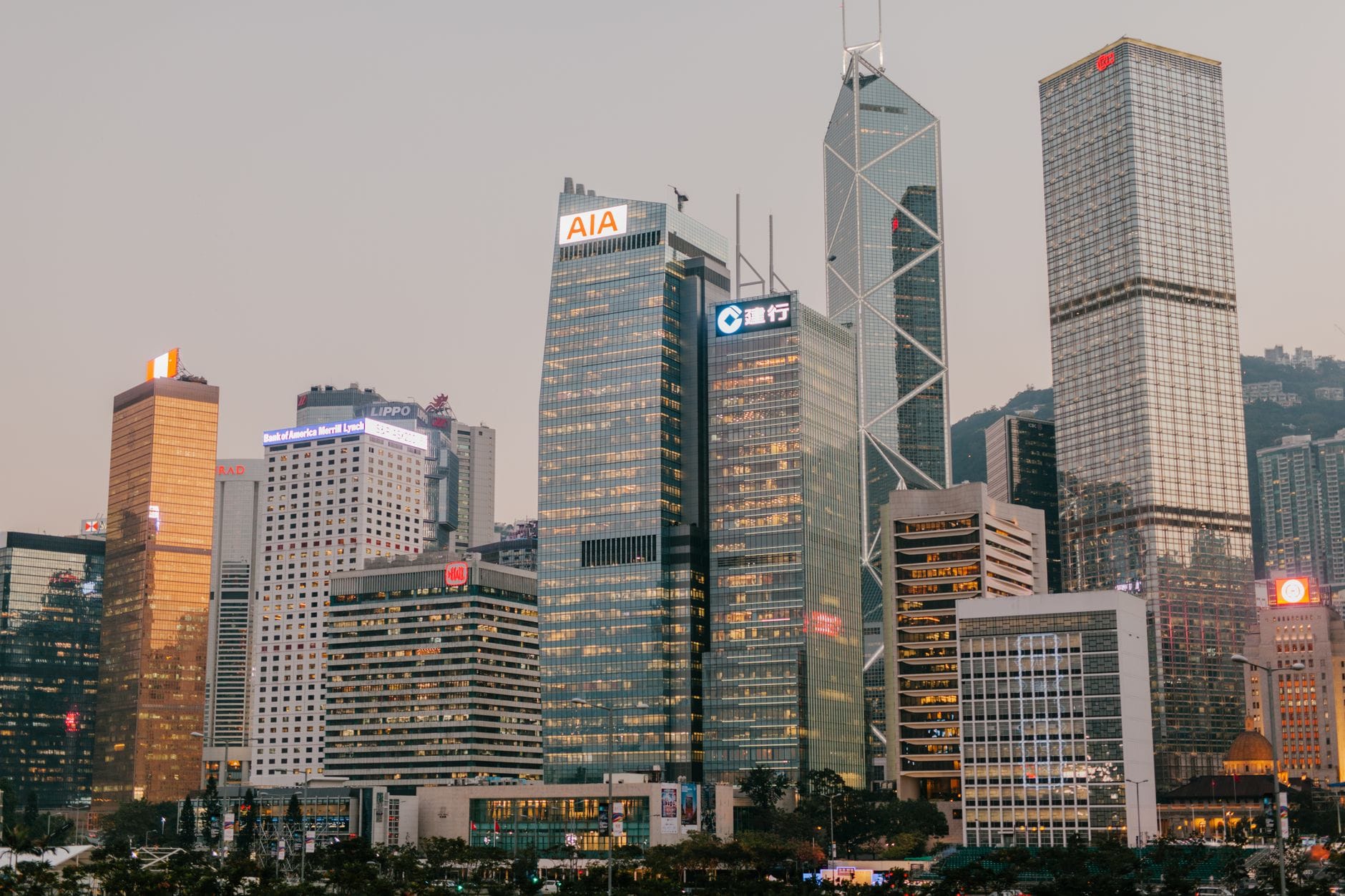
The Asia-Pacific art market reached an estimated $22.3 billion in total transaction value in 2024, with Hong Kong maintaining its position as the third-largest art market globally behind New York and London. Within that figure, the contemporary segment — broadly defined as works by living artists born after 1970 — accounted for approximately 38% of auction turnover at Christie's and Sotheby's Hong Kong combined. Barrington, born in 1983, sits squarely within this demographic window, and his increasing institutional visibility makes him a credible target for the kind of speculative primary acquisition that Singapore and Hong Kong family offices have deployed successfully with artists such as Jadé Fadojutimi and Hurvin Anderson in prior cycles.
Private banks operating in Singapore, including the art advisory arms of UBS, Julius Baer, and several boutique multi-family offices, have in recent years formalised art allocation frameworks that weight institutional exhibition history as a core screening criterion. Barrington's Venice moment — amplified by the theatricality of the road trip and the media coverage it has generated across The Art Newspaper and major European titles — satisfies that criterion comprehensively. Collectors who establish primary market relationships with his galleries now, ahead of a likely auction debut at the major Hong Kong sales in autumn 2026 or spring 2027, are positioning themselves at the earliest and most favourable point on the price curve.
Forward Outlook: What Asian Investors Should Watch
The convergence of Venice Biennale exposure, a compelling conceptual practice, and demonstrated secondary market demand makes Alvaro Barrington one of the more compelling names for Asian family offices currently reviewing their contemporary art allocation. The road trip to Venice is not just a headline — it is evidence of an artist willing to embed physical journey and cultural narrative directly into the work itself, a quality that sustains collector interest across market cycles. Watch for his works to appear in the major Hong Kong and Singapore auction previews within the next 12 to 18 months, and monitor primary gallery waitlists as the most reliable early signal of institutional demand building. For portfolios seeking non-correlated alternative assets with genuine cultural capital, Barrington represents a well-timed allocation opportunity.
💼 Exploring alternative asset allocation? Speak to Whisky Cask Club — Singapore's leading specialists in Scottish whisky cask investment.
Frequently Asked Questions
Who is Alvaro Barrington and why is he relevant to art investors?
Alvaro Barrington is a London-based artist born in Venezuela and raised in the Caribbean, working across painting, installation, and cultural memory. His Venice Biennale participation in 2026 and growing auction record — with works trading in the £80,000–£150,000 range — make him a credible target for collectors seeking emerging artist exposure with institutional validation.
How does Venice Biennale participation affect an artist's market value?
According to Art Basel's 2025 Art Market Report, artists with Venice Biennale exposure in the prior two cycles saw average secondary market price increases of approximately 34% within 18 months. The Biennale functions as an institutional endorsement that accelerates price discovery in the secondary market.
How are Asia-Pacific collectors approaching contemporary Western art acquisitions?
Singapore and Hong Kong family offices, supported by private bank art advisory arms including UBS and Julius Baer, increasingly weight institutional exhibition history as a core screening criterion. The Asia-Pacific art market reached $22.3 billion in total transaction value in 2024, with contemporary works accounting for roughly 38% of major auction turnover in Hong Kong.
What is the investment case for installation-based or process-driven artworks?
Works with strong provenance, defined exhibition history, and conceptual frameworks tied to significant events — such as Barrington's truck installation at Venice — have historically commanded a 20–40% premium over comparable works without such credentials. Scarcity created by complex logistics in Asian markets further supports price stability.
When might Barrington's works appear at Asian auction houses?
Based on typical market cycles following Venice Biennale exposure, Barrington's works are most likely to appear at major Hong Kong and Singapore auction previews in autumn 2026 or spring 2027. Collectors seeking primary market access should monitor gallery waitlists as the earliest signal of institutional demand.