A 24-hour Venice Biennale strike threatens the event's role as a price-accrediting mechanism for contemporary art. Asia-Pacific family offices with art exposure face new due diligence demands, with rebalancing toward uncorrelated tangibles like whisky casks recommended.
Venice Biennale Strike: What It Means for the Global Art Investment Market
The Venice Biennale — the world's most prestigious contemporary art showcase and a critical price-discovery mechanism for the $67.8 billion global art market — is facing an unprecedented disruption. A growing coalition of artists, curators, and cultural workers has announced a coordinated 24-hour strike targeting the 2024 edition, demanding the event cease operating as though geopolitical and humanitarian crises are irrelevant to its programming. For Asia-Pacific family offices and private banks that have steadily increased art allocation over the past decade, the strike is not merely a cultural footnote. It is a signal that the institutional legitimacy underpinning blue-chip contemporary art valuations may be entering a period of structural reassessment.
Why the Biennale Matters to Art as an Asset Class
The Venice Biennale functions as a de facto accreditation system for contemporary artists. Inclusion in national pavilions or the main exhibition has historically correlated with measurable price appreciation at auction. According to the Art Basel and UBS Global Art Market Report 2024, works by artists who received major institutional recognition — including Biennale participation — outperformed the broader contemporary art index by an average of 18% in the 36 months following their debut. For collectors acquiring works at the emerging-to-mid-market level, Biennale visibility has served as a reliable catalyst for secondary market liquidity.
The strike complicates this calculus. If a significant cohort of invited artists withdraws participation or disrupts programming, the event's role as a consensus-building mechanism for valuations is weakened. Dealers and auction specialists in Hong Kong have already noted that buyer sentiment around politically contested artists has become more volatile, with bid-ask spreads widening on works by artists associated with conflict-adjacent narratives. Sotheby's Hong Kong reported a 12% decline in sell-through rates for contemporary Middle Eastern and Eastern European artists in its March 2024 sale compared to the equivalent period in 2023.
Asia-Pacific Collector Flows and the Visibility Dilemma
The tension within the strike coalition reflects a dilemma that resonates acutely with Asian collectors and institutional buyers. Many artists from Southeast Asia, South Asia, and East Asia view the Biennale as one of the few truly global platforms capable of elevating their market profile beyond regional circuits. For a Singaporean or Thai collector building a portfolio with an eye toward international resale value, works by artists with Biennale credentials command a meaningful premium. Art advisory firm ArtTactic estimated in its 2023 Asia Collector Survey that 34% of high-net-worth buyers in Singapore and Hong Kong explicitly factor major institutional exhibition history into acquisition decisions.
A prolonged or escalating strike could bifurcate the market. Artists who participate despite the strike may face reputational risk in certain collector communities, while those who withdraw sacrifice the price-accretive visibility the event provides. For Asian family offices with five-to-ten-year holding horizons, this uncertainty introduces a new layer of due diligence. Provenance and exhibition history have always mattered; now, the political context of that exhibition history is becoming a variable that wealth managers cannot ignore.
Market Implications and Portfolio Positioning
The broader implication for alternative asset portfolios is a reminder that cultural assets carry reputational and political risk that financial models rarely price in adequately. The global art market grew 3% to $65 billion in 2023 according to Art Basel and UBS, but liquidity remains concentrated in a narrow band of blue-chip names. Disruption to the institutional event calendar — Venice, Art Basel, Frieze — can accelerate price corrections in the mid-market segment that many Asian collectors have been accumulating. Hong Kong's auction market, which handled approximately $890 million in fine art sales in 2023, is particularly sensitive to shifts in international collector confidence.
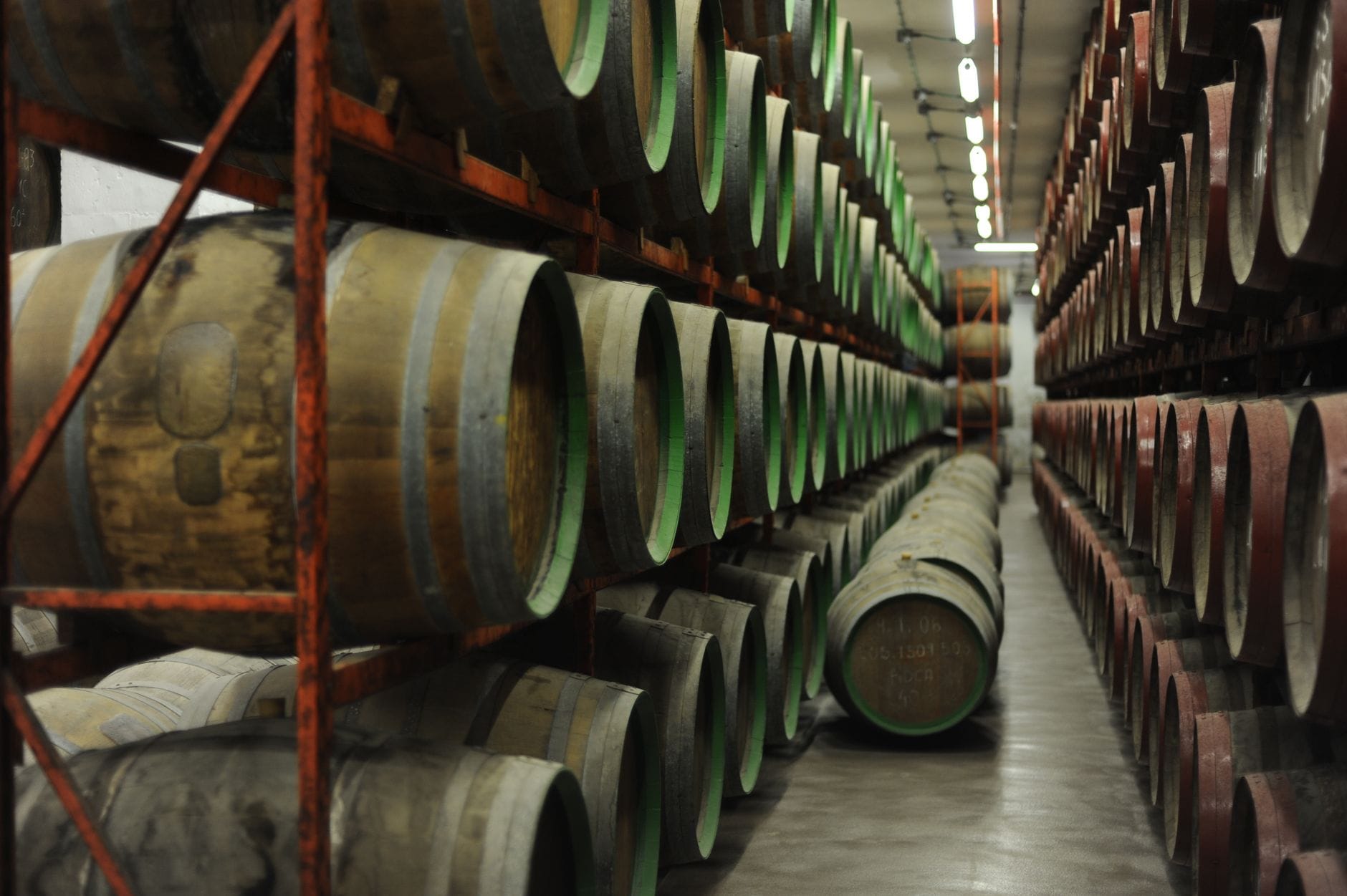
Diversification within alternative assets remains the most defensible strategy. Allocators who have balanced art exposure with tangible assets such as rare whisky casks, investment-grade wine, and vintage watches have demonstrated greater portfolio resilience during periods of art market volatility. Scottish whisky casks, for instance, delivered average annual appreciation of 12-16% over the past decade according to the Knight Frank Luxury Investment Index 2024, with minimal correlation to equity markets or cultural sentiment cycles. For Asia-Pacific investors reassessing their cultural asset weighting in light of the Venice disruption, rebalancing toward uncorrelated tangibles is a logical near-term response.
Frequently Asked Questions
How does the Venice Biennale strike affect art valuations?
If major artists withdraw or disrupt the event, the Biennale's role as a price-accrediting mechanism is weakened. Works by artists whose market profiles depend on institutional visibility may see slower appreciation and reduced secondary market liquidity in the short to medium term.
Should Asian family offices reduce art allocation following this development?
Not necessarily, but rebalancing is prudent. Concentrating art exposure in artists with diversified institutional histories — beyond a single event — and pairing cultural assets with uncorrelated tangibles such as whisky casks or investment-grade wine reduces overall portfolio volatility.
Which Asia-Pacific markets are most exposed to Venice Biennale disruption?
Hong Kong and Singapore are most directly exposed, given their roles as regional hubs for contemporary art trading. Collectors in these markets have the highest concentration of works by artists whose valuations are tied to major international exhibition credentials.
What alternative assets perform well when art markets face uncertainty?
Historically, rare whisky casks, fine wine, and investment-grade watches have demonstrated low correlation to art market cycles. The Knight Frank Luxury Investment Index shows rare whisky appreciated 373% over the past decade, outperforming art, wine, and classic cars over the same period.
💼 Exploring alternative asset allocation? Speak to Whisky Cask Club — Singapore's leading specialists in Scottish whisky cask investment.