Asahi's Dry Crystal expansion into Hong Kong and Taiwan reflects accelerating premiumisation in Asian beverage markets. For alternative asset investors, the trend reinforces the investment case for whisky casks and premium spirits as Asian consumers trade up from casual to considered drinking occasions.
Why Asahi's Dry Crystal Launch Matters for Asia-Pacific Beverage Investors
Japan's Asahi Group Holdings, a beverage conglomerate with a market capitalisation exceeding JPY 1.8 trillion (approximately USD 12 billion), has confirmed the rollout of its low-sugar, low-alcohol variant Dry Crystal across Hong Kong and Taiwan, building on an earlier entry into Mainland China. The move is not merely a brand extension — it is a calculated response to one of the most structurally significant consumer shifts in the Asia-Pacific drinks market. Low and no-alcohol beverage sales in the Asia-Pacific region are projected to reach USD 5.8 billion by 2027, according to IWSR Drinks Market Analysis, representing a compound annual growth rate of roughly 7.4% from 2022 levels. For investors tracking premium beverage assets, this data point carries real allocation implications.
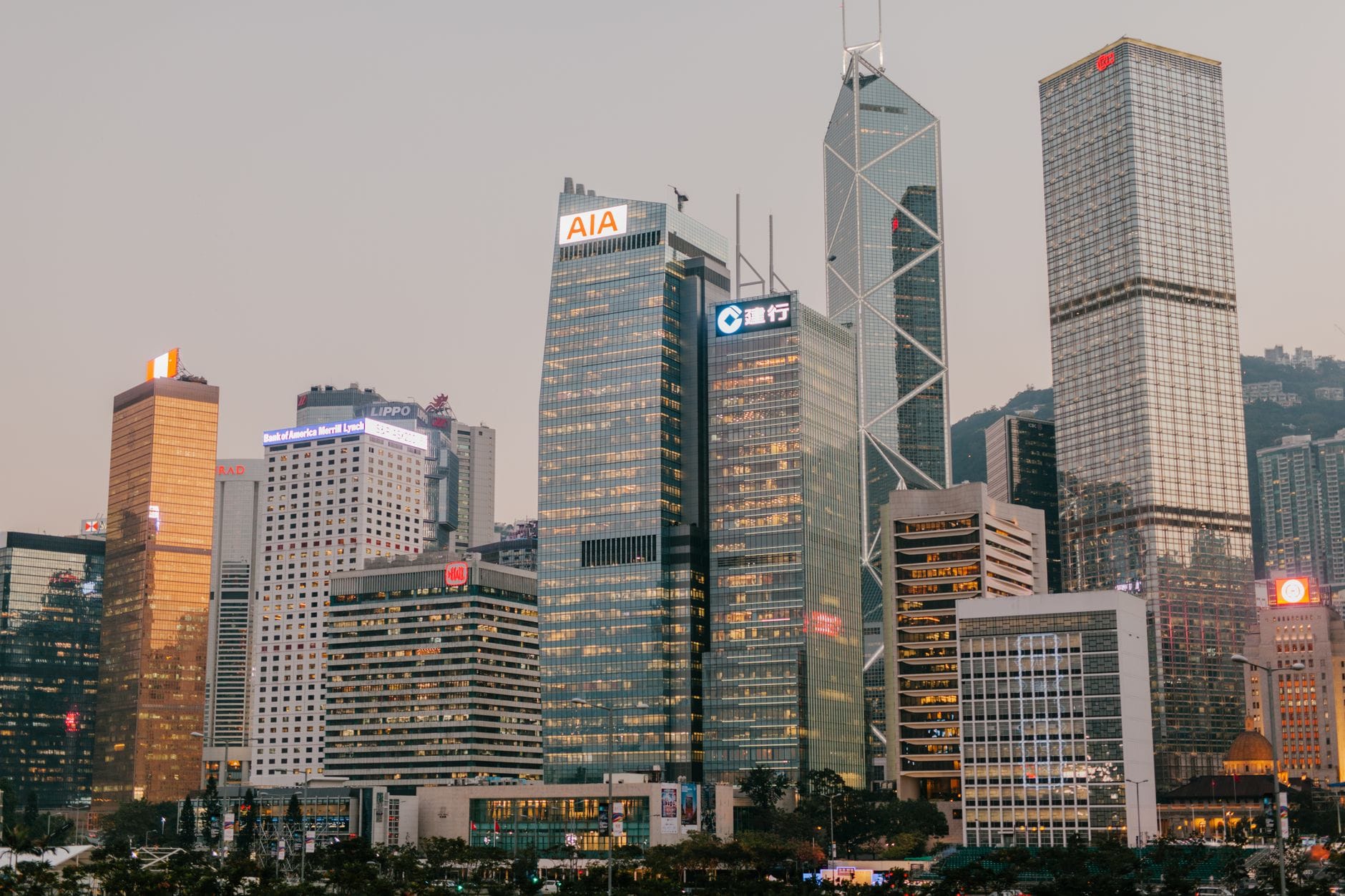
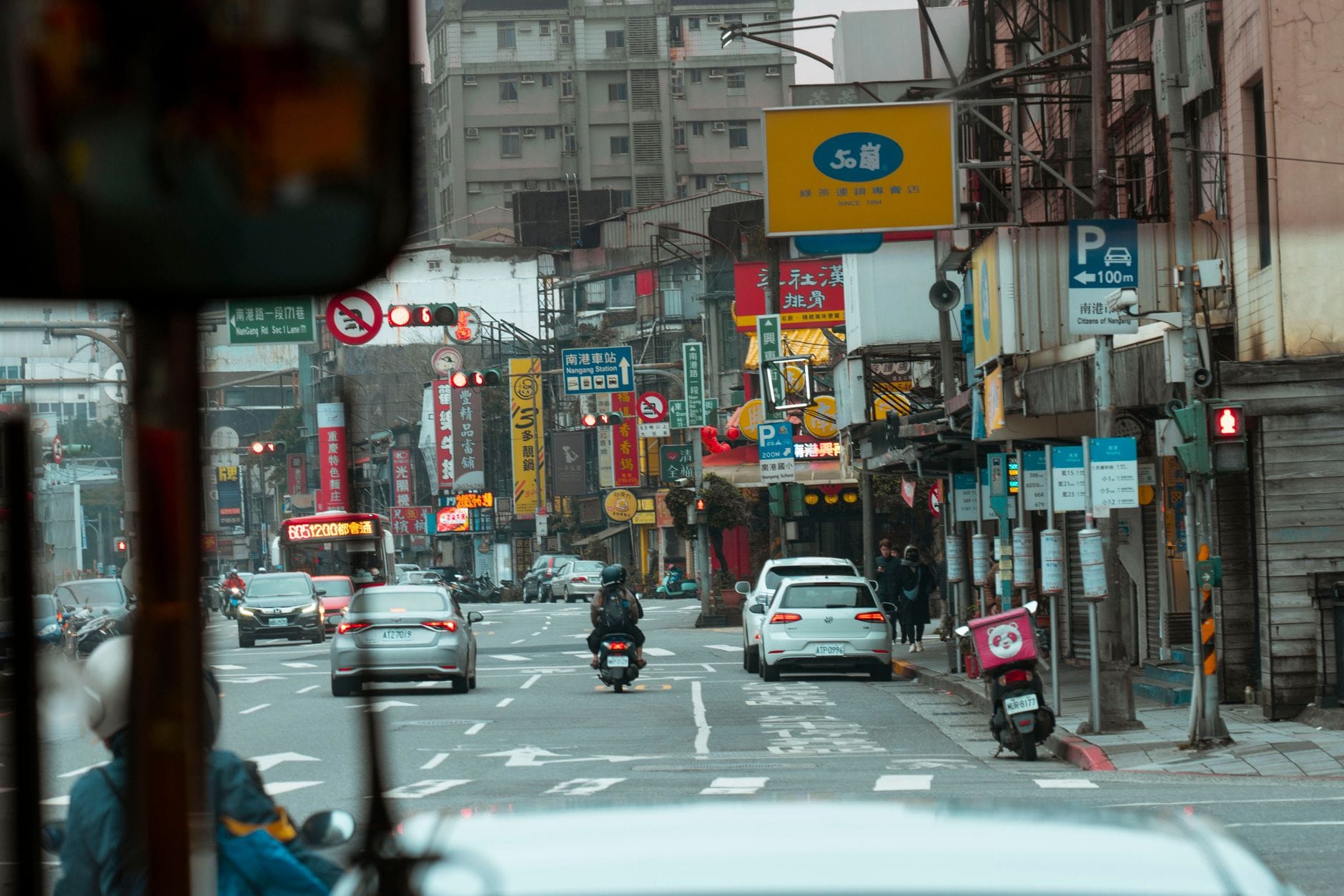
Asahi Super Dry remains Japan's highest-volume beer brand and one of the most recognised labels across East and Southeast Asia. Dry Crystal is positioned as a premium tier within the Super Dry family, targeting health-conscious urban consumers in high-income markets. Hong Kong and Taiwan represent two of the highest per-capita alcohol-spending markets in Asia, with Hong Kong consumers alone spending an estimated HKD 18.3 billion on alcoholic beverages annually. The decision to prioritise these two markets ahead of broader Southeast Asian expansion reflects both the purchasing power and the brand receptivity that Asahi's distribution data will have identified.
What Does the Low-Alcohol Trend Signal for Premium Beverage Assets?
The rise of low and no-alcohol products does not diminish the investment case for premium, full-strength beverages — it actually reinforces it. As mass-market beer consumption moderates, consumer spending increasingly concentrates in premium and ultra-premium categories. Whisky, in particular, has demonstrated this dynamic clearly: the Rare Whisky 101 Apex 1000 Index, which tracks the value of the 1,000 most-traded single malt Scotch whiskies at auction, rose by over 180% in the decade to 2023. Meanwhile, Asian buyers — led by collectors and investors in Hong Kong, Singapore, Taiwan and Japan — now account for a significant and growing share of global whisky auction volume, with some estimates placing Asian buyer participation at over 35% of total hammer value at major auction houses.
The structural argument is straightforward: as consumers in markets like Hong Kong and Taiwan become more selective about when and what they drink, the occasions on which they do consume full-strength spirits become more deliberate and prestige-driven. This supports pricing power for aged single malts, rare Japanese whisky, and cask-held inventory. Distilleries including Yamazaki, Hakushu and Nikka have seen secondary market premiums expand materially over the past five years, with Yamazaki 18-Year expressions regularly clearing HKD 3,000 to HKD 5,000 per bottle at Hong Kong auction.
How Are Asian Family Offices Approaching Beverage Allocation?
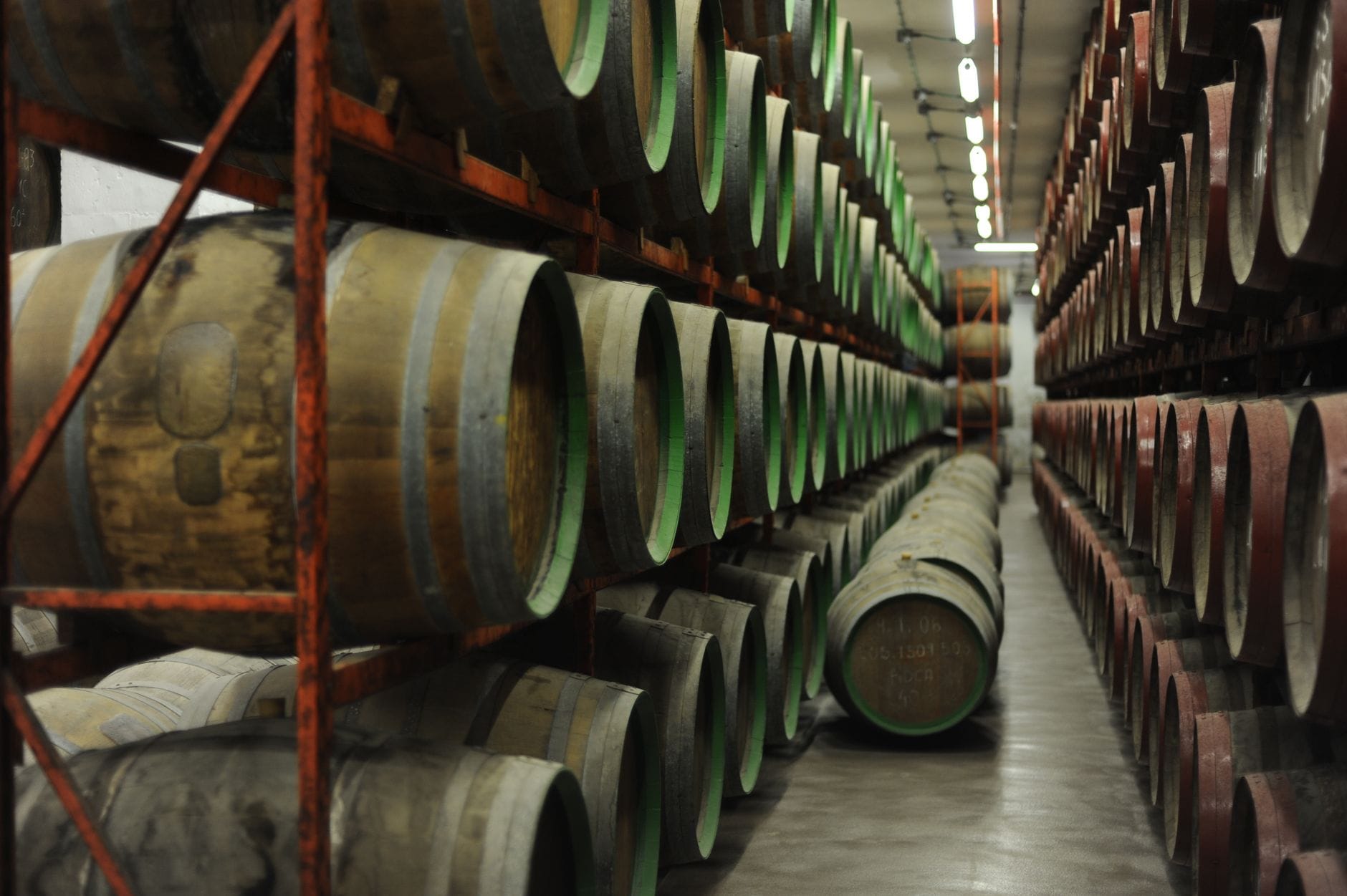
Institutional interest in beverage assets as an alternative allocation has grown measurably since 2020. Several Singapore and Hong Kong-based multi-family offices have begun allocating between 2% and 5% of their alternatives sleeve to tangible beverage assets, primarily whisky casks and rare bottled collections. The appeal is well-documented: whisky casks offer low correlation to public equity markets, inflation-linked appreciation tied to maturation timelines, and a tangible, insured asset that does not require active management in the way that real estate or private equity does. Knight Frank's Luxury Investment Index has consistently ranked rare whisky among the top-performing collectible asset classes over rolling five- and ten-year periods.
Taiwan and Hong Kong are also notable as re-export hubs for premium spirits into Mainland China, where import regulations and tariff structures make indirect acquisition through these markets commercially attractive. This creates a secondary demand layer that supports valuations for cask investors holding inventory with Asian market exposure. Asahi's own logistics decision — routing Dry Crystal through Hong Kong and Taiwan before broader regional distribution — reflects this same geographic logic that premium spirits investors have long understood.
Forward Outlook: Asia as the Marginal Buyer of Premium Beverage Assets
The Asahi Dry Crystal launch is, at its core, a data point about where Asian consumer spending is heading. As low-alcohol options capture the casual consumption occasion, premium full-strength spirits consolidate their position as considered, occasion-specific purchases. This dynamic has historically preceded price appreciation cycles in collectible whisky and wine markets. Investors who tracked the premiumisation of Scotch whisky demand in China between 2010 and 2015 — before the broader market recognised the trend — generated outsized returns on cask portfolios acquired during that window. The current signals from Hong Kong and Taiwan suggest a comparable dynamic may be forming in the low-to-premium trade-up cycle across Northeast Asia. For family offices and private banking clients building alternatives exposure with an Asia-Pacific tilt, beverage assets — particularly whisky casks with documented provenance and third-party storage — warrant serious consideration as part of a diversified real-asset allocation.
Frequently Asked Questions
What is Asahi Dry Crystal and where is it available in Asia?
Asahi Dry Crystal is a low-sugar, low-alcohol variant of the flagship Asahi Super Dry brand. It has been launched in Hong Kong, Taiwan and Mainland China as part of Asahi Group Holdings' strategy to capture growing demand for health-conscious beverage options in high-income Asian markets.
How does the low-alcohol beverage trend affect whisky cask investment?
As casual beer and low-alcohol consumption rises, consumer spending on full-strength premium spirits becomes more deliberate and prestige-driven. This supports pricing power for aged single malts and rare whisky, which have historically appreciated during periods of broader premiumisation in Asian drinks markets.
Why are Hong Kong and Taiwan important markets for premium beverage assets?
Both markets feature high per-capita alcohol spending, sophisticated collector bases, and function as re-export hubs for premium spirits into Mainland China. Asian buyers from these markets now account for an estimated 35% or more of global whisky auction volume by value, making them critical demand centres for cask investors.
What returns have whisky casks delivered for investors?
The Rare Whisky 101 Apex 1000 Index rose over 180% in the decade to 2023. Knight Frank's Luxury Investment Index has consistently ranked rare whisky among the top-performing collectible asset classes over five- and ten-year rolling periods, with low correlation to public equity markets.
How much are Asian family offices allocating to beverage assets?
Several Singapore and Hong Kong-based multi-family offices have begun allocating between 2% and 5% of their alternatives sleeve to tangible beverage assets, primarily whisky casks and rare bottled collections, attracted by inflation-linked appreciation and low correlation to traditional asset classes.
💼 Exploring alternative asset allocation? Speak to Whisky Cask Club — Singapore's leading specialists in Scottish whisky cask investment.