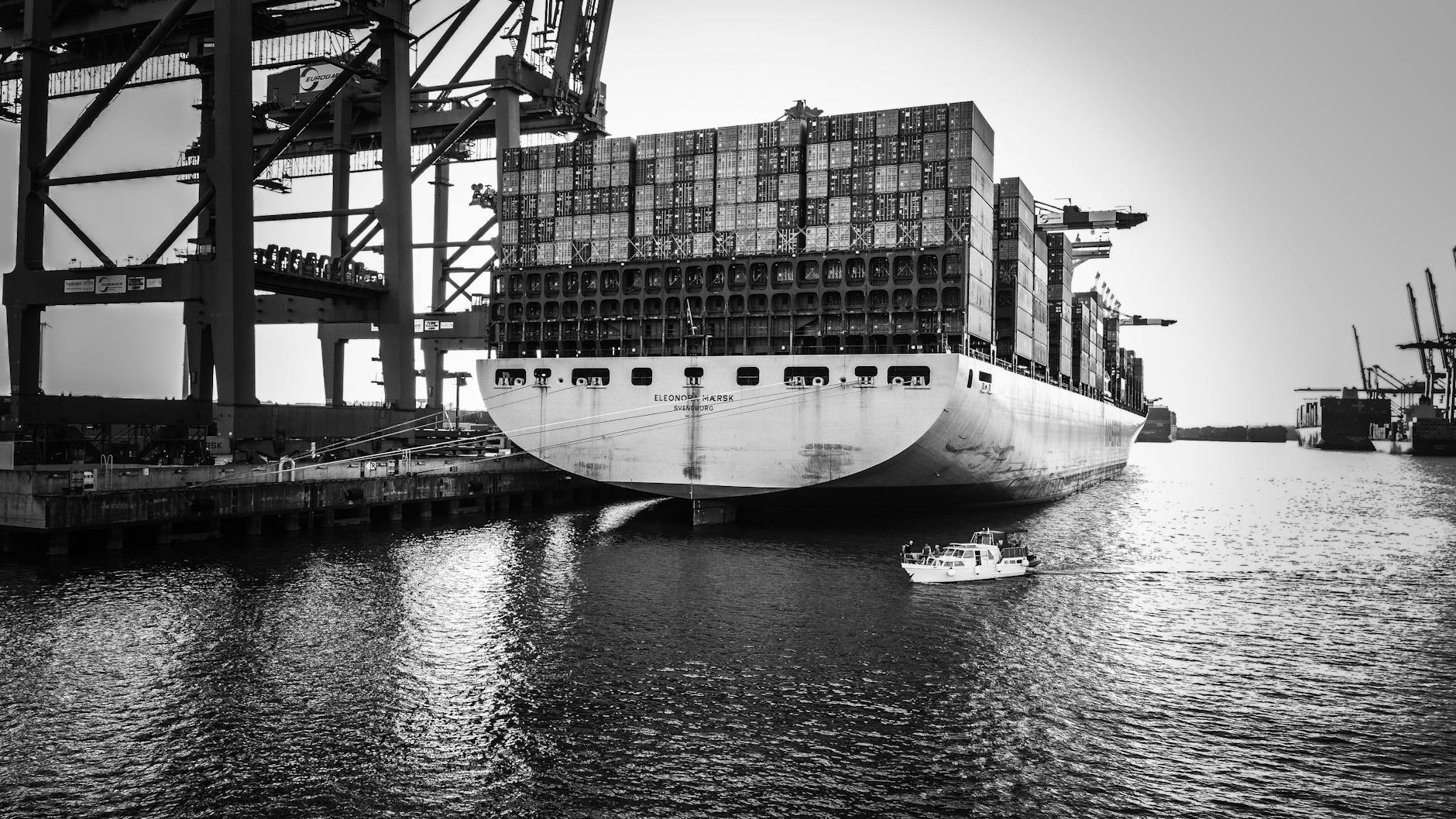
The Baltic Dry Index surged to an 18-month high due to increased traffic through the Malacca Strait, driven by recovering Chinese industry and commodity demand. This tightened vessel capacity, raised shipping rates, and impacted trade finance and bunker-fuel markets.
Baltic Dry Index Hits 18-Month High as Malacca Strait Traffic Intensifies
Published 2026-05-01. The Baltic Dry Index (BDI) surged to an 18‑month high this week, reflecting tightening capacity for bulk carriers and rising demand for key commodities traversing the Malacca Strait.
Shipping analysts point to a combination of factors: recovering Chinese industrial activity, renewed palm‑oil shipments from Indonesia and Malaysia, and heightened demand for bunker fuel ahead of IMO 2027 regulations. The confluence is straining available vessel supply, pushing daily hire rates for Capesize vessels up by 34% month‑on‑month.
Malacca’s Role in Global Trade Finance
As the world’s busiest maritime chokepoint, the Malacca Strait handles approximately one‑third of global seaborne trade. Any sustained increase in traffic inevitably ripples through trade‑finance markets, particularly for commodity‑backed letters of credit issued by Singaporean and Hong Kong banks.
“We’re seeing a noticeable uptick in demand for structured commodity finance tied to palm‑oil and rubber shipments,” said a senior trade‑finance banker at a major Singapore institution. “The BDI move is a leading indicator of tighter physical logistics, which in turn raises the cost of working‑capital facilities.”
Bunker‑Fuel Dynamics
Singapore remains the world’s largest bunkering hub, and the current shipping surge is lifting marine‑fuel sales. However, traders note that the spread between high‑sulphur fuel oil (HSFO) and very‑low‑sulphur fuel oil (VLSFO) has narrowed, reflecting improved scrubber economics and steady demand for compliant fuel ahead of stricter environmental rules.
“The bunker market is a real‑time barometer of shipping activity,” commented a physical fuel trader in Singapore. “We’re seeing consistent uptake across all grades, which tells you the underlying vessel movements are genuine, not just positional plays.”
Implications for Investors
For investors monitoring alternative assets, the current environment presents several themes:
- Shipping‑finance instruments – Yield‑hungry family offices are increasingly allocating to trade‑finance funds that provide working‑capital loans to commodity shippers.
- Commodity‑storage plays – Rising freight costs make on‑shore storage of palm oil and other soft commodities more attractive, boosting the economics of tank‑farm and warehousing assets.
- Carbon‑credit exposure – The impending IMO 2027 regulations are driving interest in carbon‑offset projects that can be bundled with shipping‑fuel purchases.
While near‑term volatility is likely, the structural demand for efficient maritime logistics through Southeast Asia’s key waterways remains undiminished. Investors with a multi‑year horizon may find value in assets tied to the physical flow of commodities—provided they have the expertise to navigate the sector’s cyclicality.