
The Baltic Dry Index (BDI) has climbed 18% over the past fortnight, signalling renewed confidence in global maritime trade despite geopolitical tensions constraining the Malacca Strait. Capesize rates—the benchmark for long-haul bulk commodity transport—now trade at five-month highs, driven by robust iron ore demand from Chinese steelmakers and increased palm oil exports from Southeast Asia.
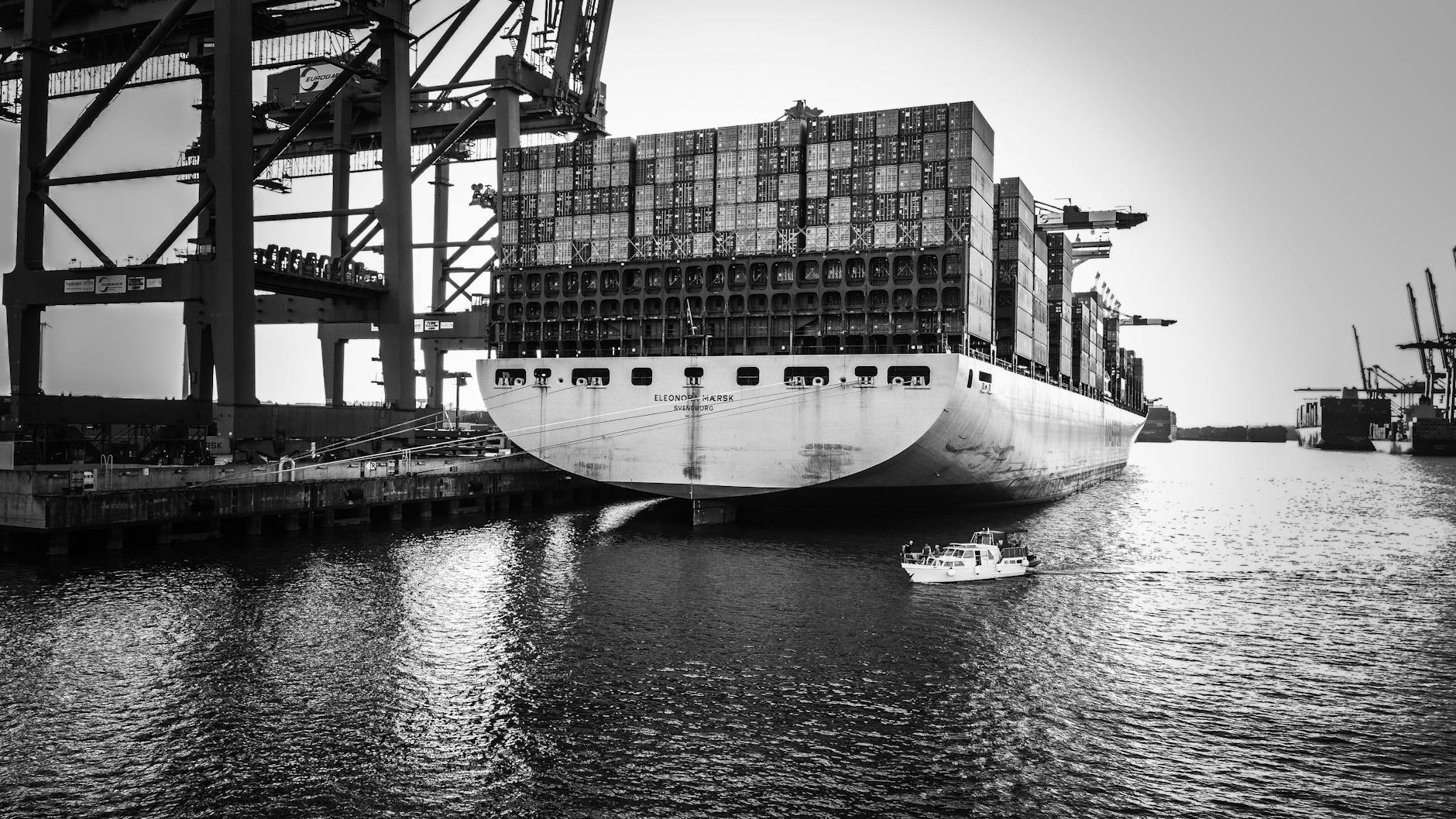
Container lines are cautiously optimistic. Maersk Line and CMA CGM have adjusted route timing to minimise Suez-Malacca diversions, shaving 3–5 days from transit schedules. This operational agility props up bunker demand and port throughput across Singapore and Port Klang, where anchorage congestion eased markedly this week.
Trade finance spreads have tightened by 40 basis points, reflecting improved risk appetite. Banks report accelerating letter-of-credit issuance for grain imports to South Asia and mineral shipments bound for European smelters. The SOLAS fuel transition—mandatory low-sulphur compliance—continues to support premium bunker pricing, though spot prices dipped 2% on crude weakness.
What's striking is the bifurcation: liner operators benefit from higher utilisation rates, but dry bulk owners face persistent oversupply. Demolition activity remains subdued, leaving excess tonnage to compete for marginal fixture work. Analysts warn that a sustained slowdown in Chinese construction could reverse current gains within two quarters.
For portfolio managers tracking alternative assets, the shipping cycle offers asymmetric upside—particularly in specialised vessel classes (LNG carriers, woodchip ships) where supply constraints remain acute. The Malacca bottleneck, counterintuitively, has become a feature rather than a bug: it lengthens voyage times, supports hire rates, and shifts advantage to newer, faster tonnage.
Bottom line: shipping fundamentals are improving, but duration exposure requires conviction that China's infrastructure cycle reignites. Selective positions in capesize exposure via cask funds with maritime logistics hedges remain attractive on a six-month view.