The Baltic Dry Index has risen sharply due to severe port congestion in ASEAN, driven by strong demand for coal, iron ore, and grain. This tightens vessel capacity, increases costs for shippers, and creates investment opportunities in shipping and port infrastructure.
Baltic Dry Index Surge Reflects Deepening ASEAN Supply‑Chain Bottlenecks
Published 2026-05-13. The Baltic Dry Index (BDI) has climbed for seven consecutive weeks, reaching levels not seen since late 2024, as supply‑chain bottlenecks across ASEAN push up demand for bulk‑carrier capacity.
The index, which tracks daily hire rates for Capesize, Panamax, and Supramax vessels, rose 8.2% last week alone, underscoring the strain on maritime logistics amid strong demand for commodities such as coal, iron ore, and grain.
ASEAN’s Infrastructure Constraints
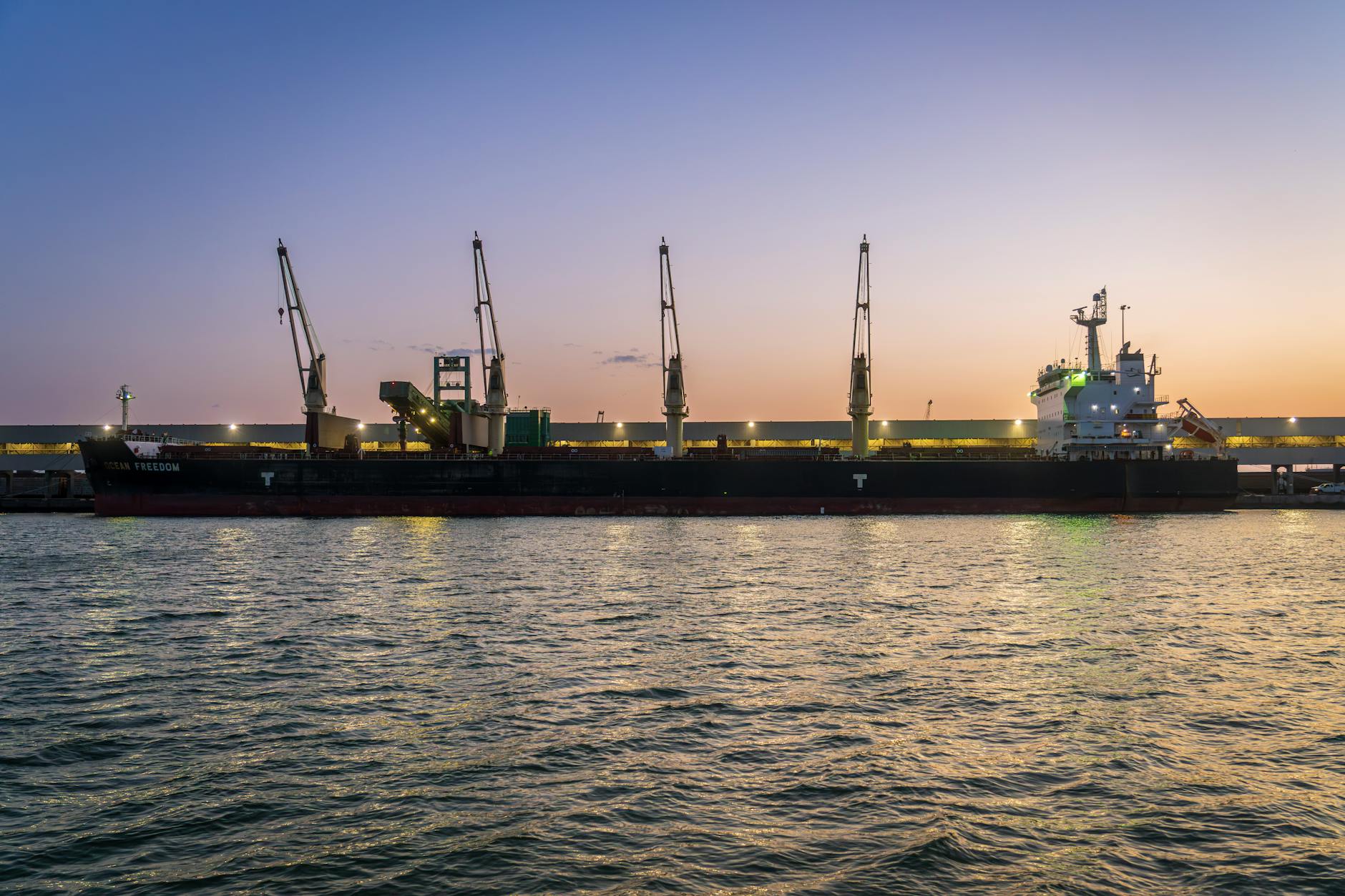
While the Malacca Strait handles the bulk of containerised trade, many of ASEAN’s secondary ports—critical for dry‑bulk shipments—are operating near capacity. Congestion at ports in Vietnam, Thailand, and the Philippines is delaying vessel turnarounds, effectively reducing the available fleet and pushing up rates.
“The infrastructure gap in ASEAN’s secondary ports is becoming a major bottleneck,” said a Singapore‑based shipping analyst. “We’ve seen waiting times of up to five days at some terminals, which is adding significant cost and uncertainty to bulk‑commodity supply chains.”
Commodity‑Specific Dynamics
The BDI move is being driven by several commodity‑specific factors:
- Coal – Strong demand from Chinese power generators, combined with supply disruptions in Indonesia, has increased shipments from Australia and South Africa, tying up Capesize vessels on longer routes.
- Iron ore – A rebound in Chinese steel production has lifted iron‑ore imports from Brazil and Australia, further tightening Capesize availability.
- Grain – Favourable harvests in South America are generating additional Panamax and Supramax demand, while the Black Sea corridor remains constrained.
Strategic Implications for Shippers and Traders
For shippers, the current environment necessitates a more strategic approach to vessel chartering. Many are opting for longer‑term time‑charter contracts to lock in capacity and mitigate spot‑rate volatility. For traders, the higher freight costs are being partially offset by rising commodity prices, but margins are being squeezed.
“The key is to build flexibility into your logistics planning,” advised the head of a Hong Kong‑based commodity‑trading house. “That means having multiple port options, using a mix of vessel sizes, and maintaining good relationships with carriers to secure priority access.”
Investment Opportunities
For alternative‑asset investors, the tightening dry‑bulk market presents several potential opportunities:
- Shipping‑finance funds – Private‑credit funds that provide working‑capital loans to shipowners are benefiting from rising rates and strong vessel utilisation.
- Port‑infrastructure projects – Port‑expansion and modernisation projects in ASEAN are attracting capital from infrastructure funds and family offices.
- Commodity‑storage assets – As freight costs rise, the economics of on‑shore storage improve, boosting the appeal of tank‑farm and warehousing investments.
While the BDI’s ascent may moderate in the coming months, the underlying supply‑chain constraints are likely to persist, supporting continued investor interest in maritime‑logistics assets.
Frequently Asked Questions
Why is the Baltic Dry Index surging?
The surge is driven by strong commodity demand and severe port congestion in ASEAN secondary ports, reducing vessel availability and pushing up freight rates.
Which commodities are driving the BDI increase?
Increased shipments of coal, iron ore, and grain are the primary drivers, tying up Capesize, Panamax, and Supramax vessels.
How are shippers responding to the high freight rates?
Shippers are securing longer-term time-charter contracts to lock in capacity and mitigate spot-rate volatility.
What are the investment opportunities from this trend?
Opportunities exist in shipping-finance funds, ASEAN port-infrastructure projects, and commodity-storage assets like tank farms.