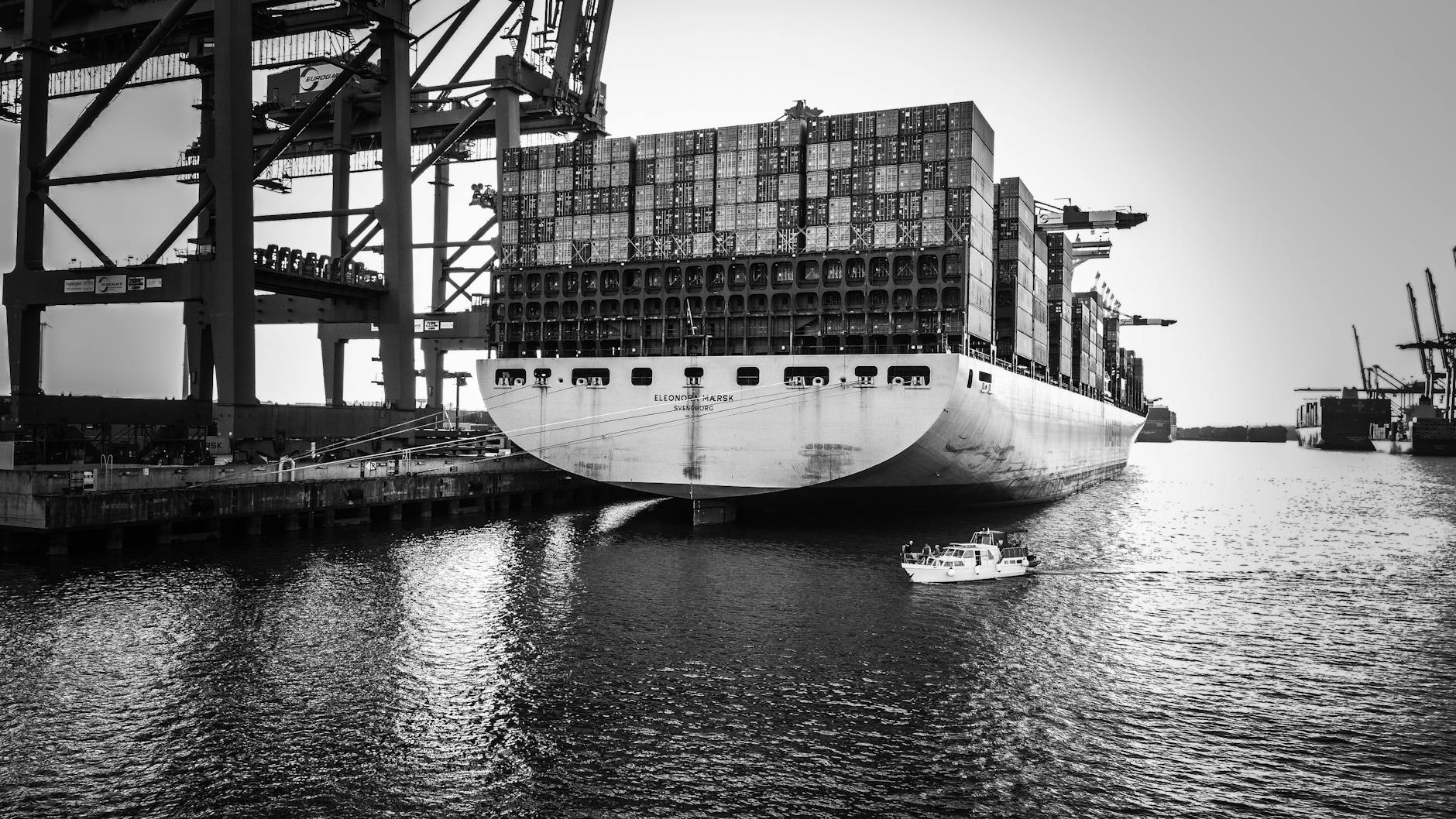
The Baltic Dry Index rose 12% due to easing ASEAN port bottlenecks and high demand for capesize vessels. Improved port efficiency and record Malacca Strait traffic signal stronger regional trade, though geopolitical risks remain.
The Baltic Dry Index (BDI) climbed 12% over the past week, reaching its highest level since March 2025, as supply chain bottlenecks across key ASEAN ports show signs of easing.
The surge was driven by increased demand for capesize vessels transporting iron ore and coal from Australia to China, with significant spillover into intra‑ASEAN routes via the Malacca Strait.
Port congestion at Singapore’s Pasir Panjang Terminal has fallen from a peak of 32 vessels awaiting berth in early April to just 14 this week, reflecting improved operational throughput after the recent deployment of additional automated cranes.
Malacca Strait Traffic Hits Record High
Despite the easing of port delays, transit volumes through the Malacca Strait—the world’s busiest maritime chokepoint—continue to set records. Data from the Marine and Port Authority of Singapore shows an average of 84 large commercial vessels transiting the strait daily in April, up 7% year‑on‑year.
“The strait remains the artery of Asia’s commodity logistics,” said a senior analyst at Drewry Maritime. “Any marginal improvement in port efficiency translates directly into higher effective capacity for the whole region.”
ASEAN’s supply‑chain resilience has become a focal point for trade‑finance providers, with several major banks expanding their dedicated commodity‑logistics lending desks in Singapore and Bangkok.
Regional Implications
The stronger BDI reflects growing confidence that ASEAN’s logistics infrastructure can support the region’s expanding manufacturing base. Vietnam’s Haiphong and Thailand’s Laem Chabang ports have also reported higher throughput, helped by newly ratified ASEAN customs‑clearance protocols.
For investors, the index serves as a leading indicator of regional trade health. A sustained rise in the BDI typically foreshadows stronger export figures and improved corporate earnings for logistics and shipping companies across Southeast Asia.
Analysts caution, however, that geopolitical tensions in the South China Sea and potential fuel‑price volatility remain key downside risks to the current bullish sentiment.