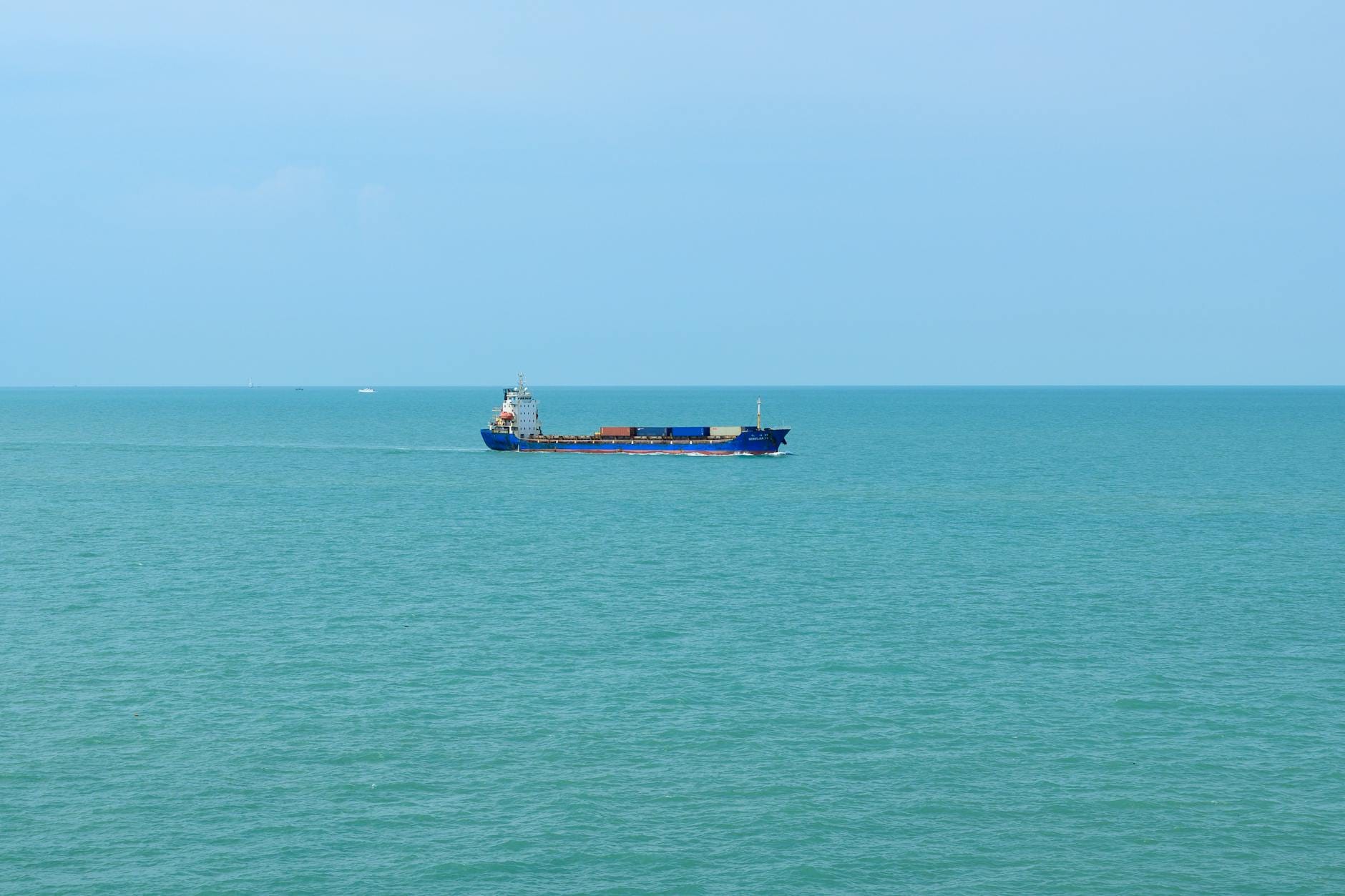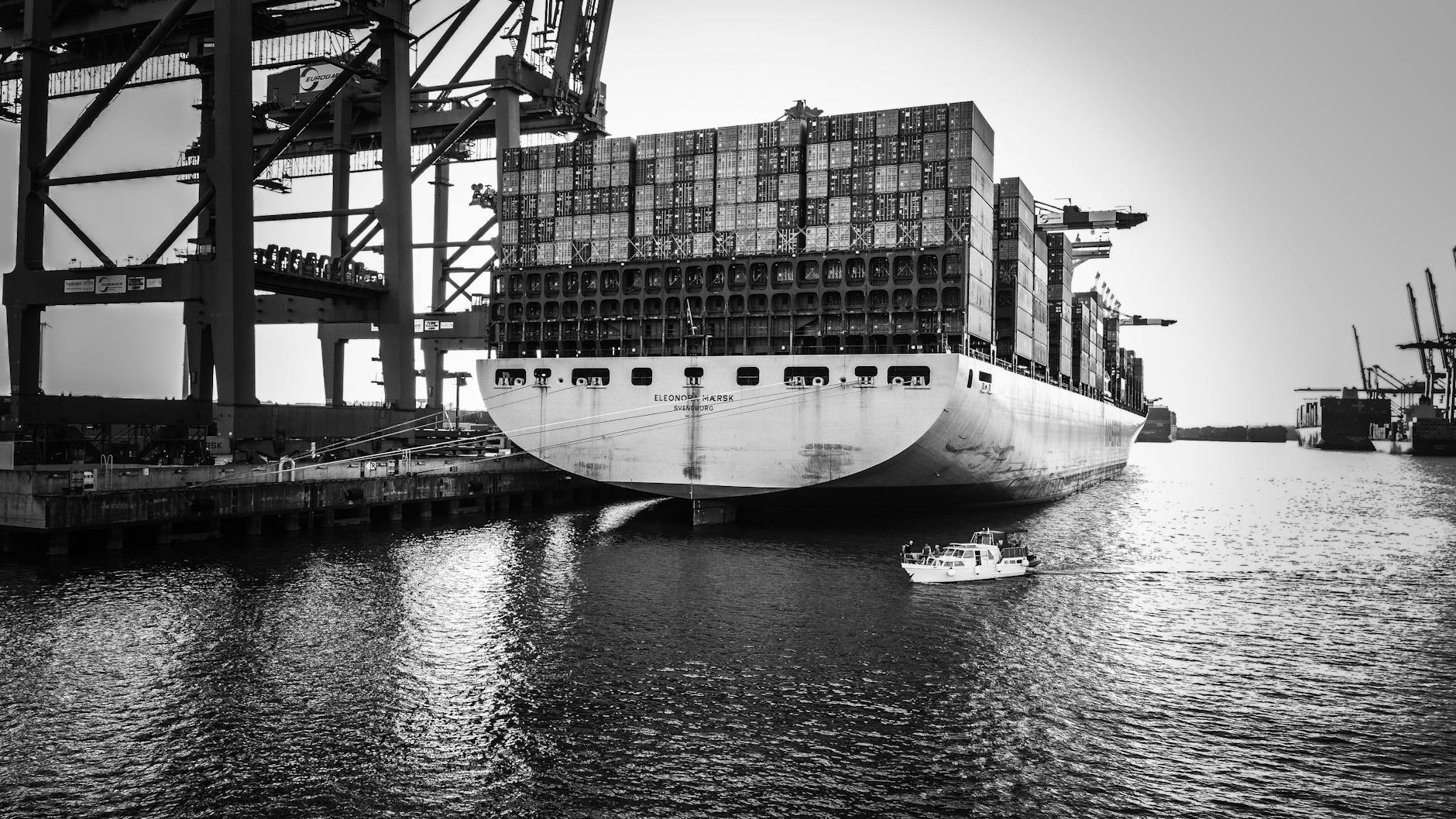
The Baltic Dry Index surged 8.3% due to severe congestion in the Malacca Strait, a key shipping chokepoint. This has spiked bunker surcharges and created a premium for spot rates, impacting global commodity supply chains and trade finance activity.
The Baltic Dry Index (BDI) has rebounded sharply this week, gaining 8.3% to 1,247 points, signalling renewed strength in bulk commodity shipping. Large vessel rates from Southeast Asia to Europe have accelerated, with the Malacca Strait witnessing unprecedented congestion as vessels queue for transit through one of the world's most critical chokepoints.
This bottleneck has immediate consequences for Baltic Dry, Malacca, and bunker operators. Bunker surcharges—premium fuel costs levied on slower transits—have spiked to $38/tonne, the highest level since January. For palm oil exporters already managing margin compression from oversupply, the logistics premium now represents 2-3% of landed costs in EU and US ports.
Trade finance desk activity has intensified in response. Regional banks report increased letter-of-credit issuance for trade finance instruments, particularly synthetic structures hedging bunker volatility. The premium reflects genuine supply risk: approximately 40% of global shipping passes through Malacca daily, and any prolonged disruption would cascade through commodity-dependent supply chains.
Spot rates now command a 15% premium over forward contracts—an inversion that typically signals trader anxiety about near-term scarcity. Key shipping indices are pricing in sustained congestion well into Q3, creating a margin expansion window for logistics providers and fuel hedging opportunities for commodity exporters.
Implications for portfolio managers: exposure to transport-intensive palm oil manufacturers and shipping companies remains tactically attractive on a 90-day horizon, pending clarification on Suez routing alternatives and Indonesian strait infrastructure improvements.