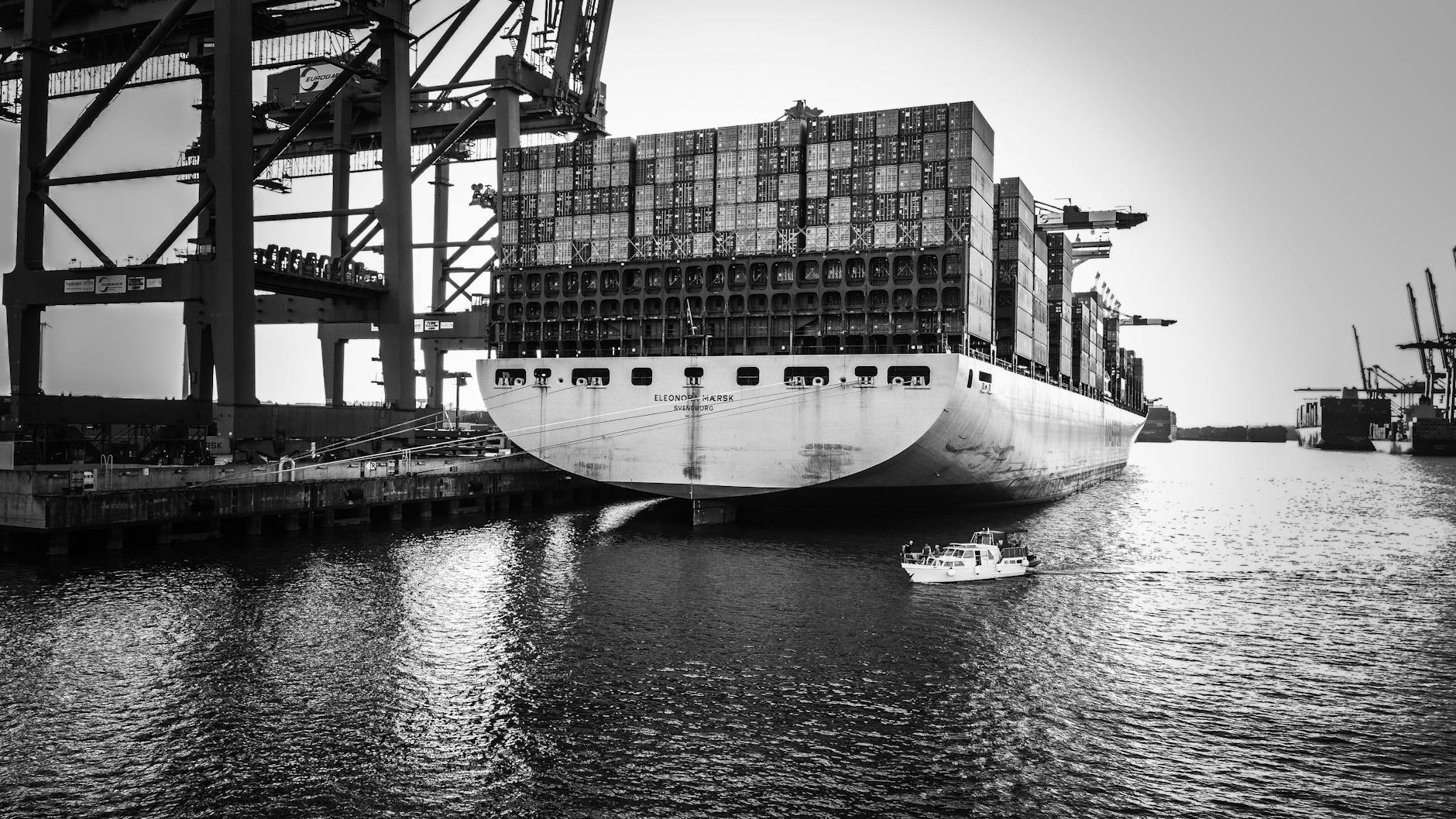
The Baltic Dry Index (BDI) climbed 8.3% this week to 1,847 points, signalling renewed strength in dry bulk shipping markets amid tightening vessel availability and geopolitical uncertainty.
Market Drivers
A confluence of factors is supporting rates: seasonal demand from Chinese iron ore and grain importers, vessel congestion at key ports, and increased rerouting costs via the Cape of Good Hope following Suez Canal disruptions. The Malacca Strait—responsible for roughly 25% of global maritime trade—remains a critical chokepoint, with insurance premiums for transits now running 50–80 basis points above historical norms.
Capesize vessels, the workhorses of long-haul bulk shipping, are trading at $67,500/day—up from $52,000 just four weeks prior. This premium reflects genuine scarcity, not speculation. The global fleet is aging; demolitions have outpaced newbuilds for three consecutive years.
Bunker Markets & Trade Finance
Elevated fuel costs—bunker (VLSFO) trading at $598/tonne in Singapore—are compressing margins for operators while simultaneously driving demand for advanced financing vehicles. Trade finance hedging desks are seeing unprecedented enquiry for commodity-linked instruments, particularly from shipping companies securing forward fuel costs.
Palm oil exports from Malaysia and Indonesia are accelerating ahead of monsoon season, further straining tonnage. Refiners in India and the Middle East are actively competing for Capesize bookings, pushing rates higher still.
Outlook
Expect continued upside pressure into Q2. Geopolitical risk premiums are unlikely to dissipate; logistics managers are pre-booking capacity. The spread between short-haul and intercontinental routes remains inverted, a classic bull-market signal.
Key metric to watch: Return of Suez Canal to full operational capacity. Any extension of rerouting adds 10–15 days per voyage, consuming available tonnage at accelerating rates.