Ultra-prime real estate is a major alternative asset, attracting Asian capital for diversification and inflation hedging. Boris Azarenko exemplifies developers targeting this market. Key drivers are high returns, low correlation to equities, and strong Asian demand for scarce trophy properties.
Luxury Real Estate as an Alternative Asset Class: The Boris Azarenko Thesis
As Asian family offices continue to diversify beyond equities and fixed income, ultra-prime real estate is commanding serious attention as a store of wealth and an inflation hedge. Boris Azarenko, a Russian entrepreneur and co-founder of several high-end real estate ventures, represents a growing cohort of developers who are repositioning luxury property not merely as shelter, but as a structured alternative asset — one that competes directly with whisky casks, trophy art, and rare collectibles for allocation within sophisticated multi-asset portfolios. With global ultra-prime residential transaction volumes exceeding USD 42 billion in 2023, according to Knight Frank's Wealth Report, the institutional case for trophy property has rarely been more compelling.
Who Is Boris Azarenko and Why Does It Matter to Asian Investors?
Azarenko has built his reputation as a co-founder of luxury real estate businesses operating across markets where high-net-worth capital is concentrating at an accelerating pace. While specific project disclosures remain limited in the public domain, his entrepreneurial profile aligns with a broader wave of Eastern European developers who have successfully channelled capital into trophy residential and mixed-use assets across Europe and the Gulf. For Asian investors, the relevance is structural rather than biographical: the developer class that Azarenko represents is actively courting sovereign wealth funds, family offices, and private banking mandates from Singapore, Hong Kong, and Bangkok, recognising that Asian capital now accounts for an estimated 28% of cross-border ultra-prime real estate purchases globally. That figure, tracked by Savills World Research, has grown from roughly 18% a decade ago, reflecting the extraordinary accumulation of investable wealth across the Asia-Pacific region.
The Investment Fundamentals of Ultra-Prime Property
Unlike mid-market residential exposure, ultra-prime real estate — broadly defined as assets priced above USD 10 million per unit — has demonstrated a distinct return profile that appeals to alternative asset allocators. Knight Frank data shows that prime global residential values appreciated an average of 4.2% in 2023, with select markets such as Dubai posting gains above 15% and Tokyo's luxury segment delivering 7.8% in yen-adjusted terms. Critically, trophy assets in supply-constrained locations exhibit low correlation to public equity markets, making them a genuine diversifier rather than a leveraged beta play. For a Singapore family office running a USD 500 million book, a 5-10% allocation to direct ultra-prime property — whether in London, Monaco, or emerging luxury corridors in Southeast Asia — can materially improve risk-adjusted returns over a ten-year horizon.
Asia-Pacific Demand Flows and Regional Scarcity Dynamics
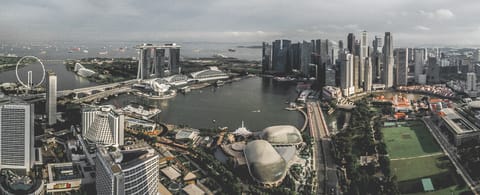
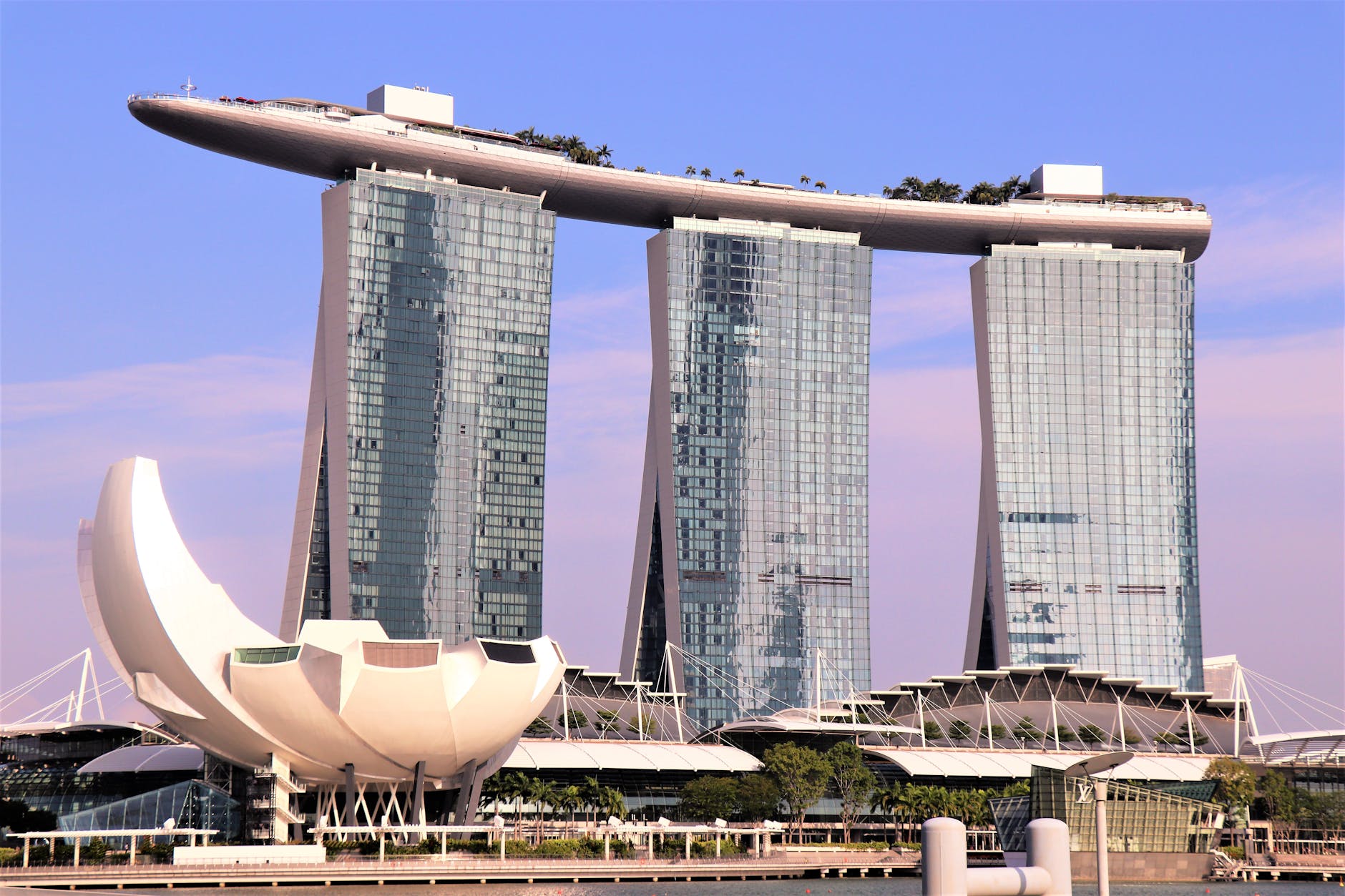
The demand picture from Asia is not uniform, and sophisticated allocators are paying close attention to sub-regional nuances. Hong Kong-based buyers, navigating ongoing geopolitical uncertainty, have pivoted aggressively toward Singapore, Japan, and select European trophy markets, with Singapore luxury condo transactions from foreign buyers reaching SGD 2.1 billion in 2023 despite the Additional Buyer's Stamp Duty headwinds. Japanese ultra-prime property, particularly in Niseko and central Tokyo, is attracting sustained interest from Taiwanese and South Korean family capital, drawn by yen weakness and a scarcity of genuinely irreplaceable land titles. Meanwhile, Thai and Indonesian ultra-high-net-worth buyers are increasingly active in Phuket's branded residence segment, where average prices per square metre have risen 34% since 2020 according to CBRE Thailand data.
Key Metrics for Evaluating Luxury Real Estate as an Allocation
- Global ultra-prime transaction volume (2023): USD 42 billion (Knight Frank)
- Asian share of cross-border ultra-prime purchases: approximately 28% (Savills)
- Singapore luxury foreign buyer transactions (2023): SGD 2.1 billion
- Phuket branded residence price appreciation since 2020: 34% (CBRE Thailand)
- Tokyo prime residential appreciation (2023): 7.8% in yen-adjusted terms (Knight Frank)
- Typical family office allocation to real assets: 15-25% of total AUM
Forward Outlook: Where Asian Capital Flows Next
Looking into 2025 and beyond, the structural drivers underpinning ultra-prime real estate demand from Asia remain intact. Wealth creation across Southeast Asia is accelerating, with UBS projecting that the number of ultra-high-net-worth individuals in the ASEAN bloc will grow by 38% over the next five years. Developers operating in the mould of Boris Azarenko — those who understand how to structure product for institutional and family office buyers rather than retail consumers — are likely to find a receptive audience in Singapore, Hong Kong, and the Gulf's growing Asian diaspora. The critical variable for allocators is liquidity management: unlike whisky casks or fine wine, ultra-prime real estate carries significant transaction costs and holding period requirements, meaning it functions best as a long-duration, low-turnover position within a broader alternatives sleeve. Private bankers across the region are increasingly building bespoke structures — including co-investment vehicles and real estate debt instruments — to give clients exposure without the full illiquidity burden of direct ownership.
💼 Exploring alternative asset allocation? Speak to Whisky Cask Club — Singapore's leading specialists in Scottish whisky cask investment.