London's May 2026 calendar — spanning auction houses, art fairs, and classic car events — functions as a live pricing laboratory for alternative assets. Asia-Pacific family offices with allocations to whisky casks, watches, art, and classic cars should treat the month as structured due diligence, not leisure.
Why London in May 2026 Matters to Asia-Pacific Alternative Asset Investors
London's May calendar has long anchored the global alternative asset calendar, and 2026 is no exception. Christie's, Sotheby's, and Bonhams all stage major spring sales during this window, with combined hammer totals historically exceeding £500 million across categories including Post-War art, jewellery, and rare whisky. For Singapore- and Hong Kong-based family offices that have been quietly increasing allocations to passion assets — a segment that Deloitte estimates will reach $2.7 trillion in assets under management globally by 2026 — May in London is not leisure, it is due diligence.
Asian buyer participation at London spring auctions has grown materially over the past five years. According to Knight Frank's 2025 Wealth Report, collectors from Greater China, Japan, and Southeast Asia now account for approximately 28% of hammer value at major London sale rooms, up from 19% in 2020. That shift in buyer geography is compressing premiums on certain categories — particularly single malt Scotch whisky and British studio ceramics — as cross-border demand outpaces available inventory in the secondary market.
Art Fairs and Auction Previews: Where Pricing Intelligence Is Made
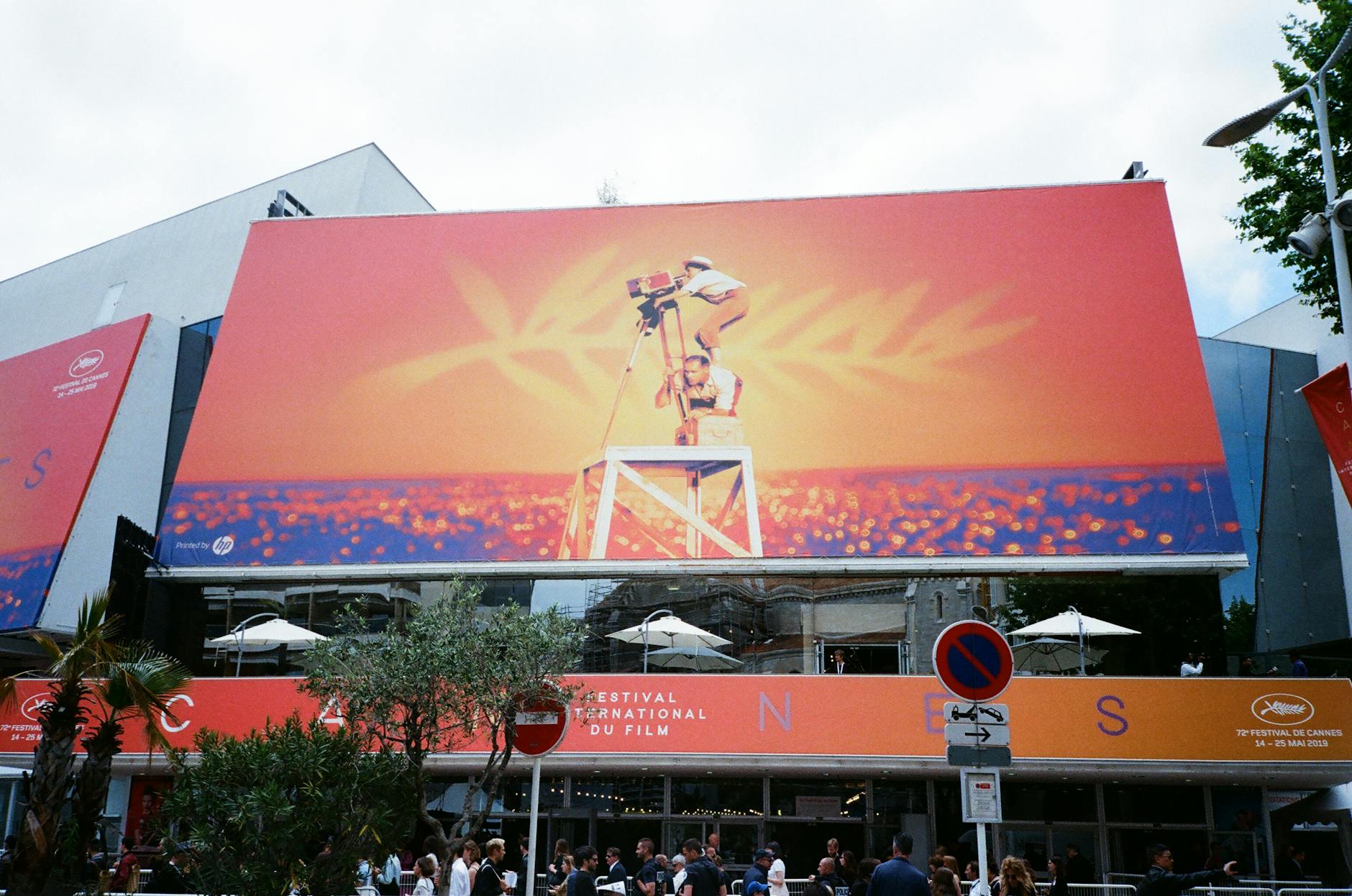
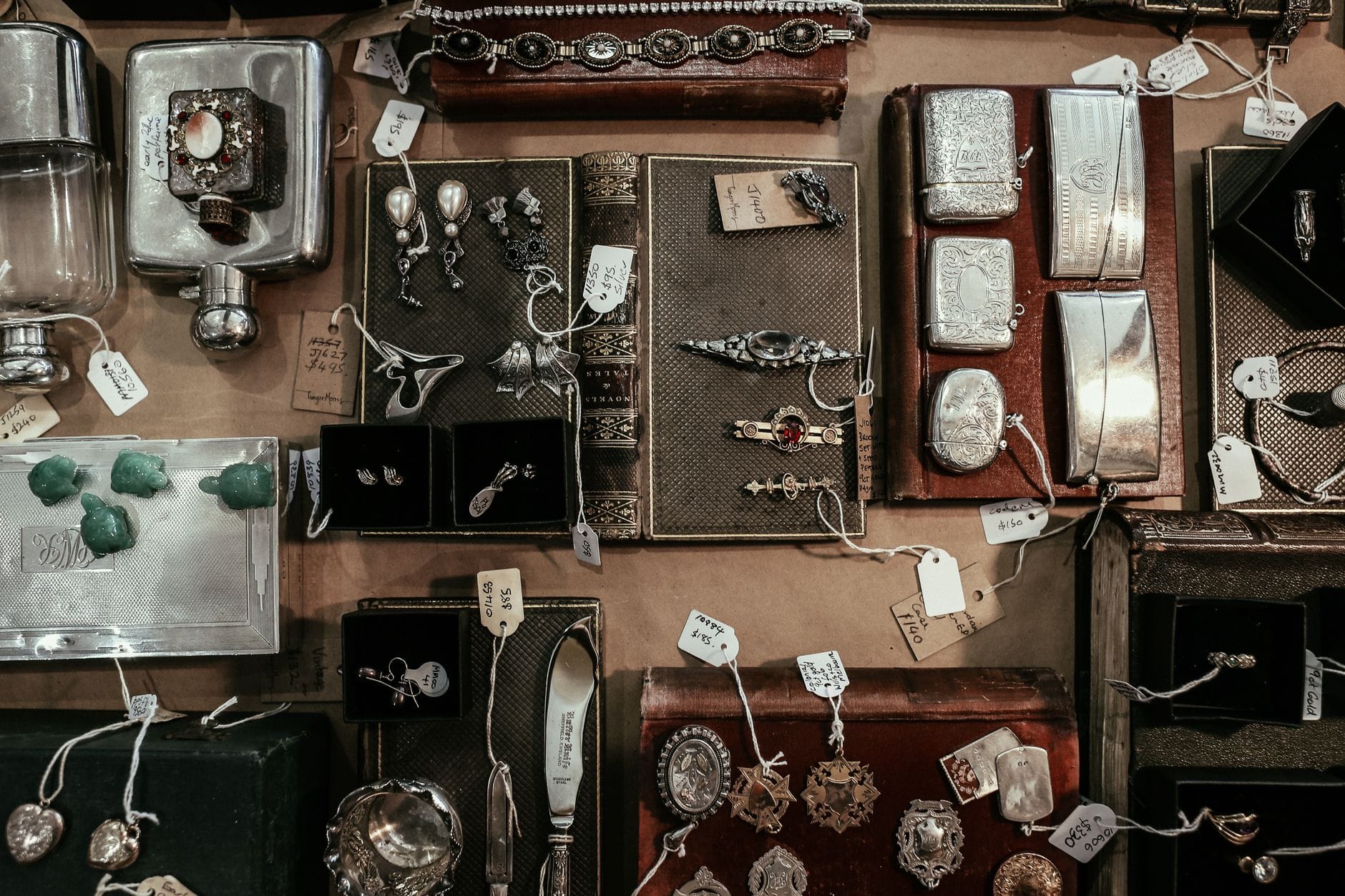
Frieze Week traditionally anchors the London art calendar in October, but May brings its own circuit of significant events. Masterpiece London, one of the city's most prestigious cross-category fairs, typically opens in late May, presenting fine art alongside antique furniture, jewellery, and rare objects. Attendance among Asian private bank clients has risen sharply since 2022, with several Singapore-based multi-family offices now sending dedicated acquisition teams rather than relying on local advisers. Entry to preview evenings runs from £150 to £500 per person, but the real value lies in the live price discovery — what sells on opening night, and at what premium to estimate, tells experienced allocators where institutional appetite is concentrating.
Sotheby's New Bond Street galleries typically host a series of curated single-owner collection sales in May, often featuring Scottish whisky alongside fine wine and watches. The May 2025 sale of a private Scottish collection achieved an average of 34% above low estimate across 62 lots of aged single malt, with a 1964 Macallan in original presentation case realising £48,500 against a £30,000 low estimate. These are not anomalies — they represent a structural repricing of aged, verified whisky casks and bottles as institutional-grade collectibles.
Classic Cars and Watches: The Portable Hard Assets
May also marks the opening of the Concours season in the United Kingdom, with events drawing consignors and bidders from across Asia. The classic car market, valued at approximately $67 billion globally according to Historic Automobile Group International data, has seen a notable uptick in Japanese and Singaporean buyers acquiring pre-1980 British marques — Aston Martin, Bentley, and early Land Rover Defenders — as portable, jurisdiction-neutral stores of value. A matching-numbers 1967 Aston Martin DB6 Volante sold at a London specialist auction in May 2025 for £1.4 million, a 22% premium over its 2022 equivalent.
Watch auctions in London during May complement the broader collectibles calendar. Phillips in Association with Bacs & Russo has staged significant single-owner watch sales in the city, with vintage Rolex, Patek Philippe, and independent horology from F.P. Journe attracting consistent bidding from Southeast Asian collectors. Allocation to watches as a portfolio sleeve has grown among Thai and Indonesian ultra-high-net-worth individuals in particular, with Bangkok-based wealth managers reporting a 15-20% increase in client enquiries about watch-focused alternative funds between 2023 and 2025.
Whisky Casks: London as a Verification and Networking Hub
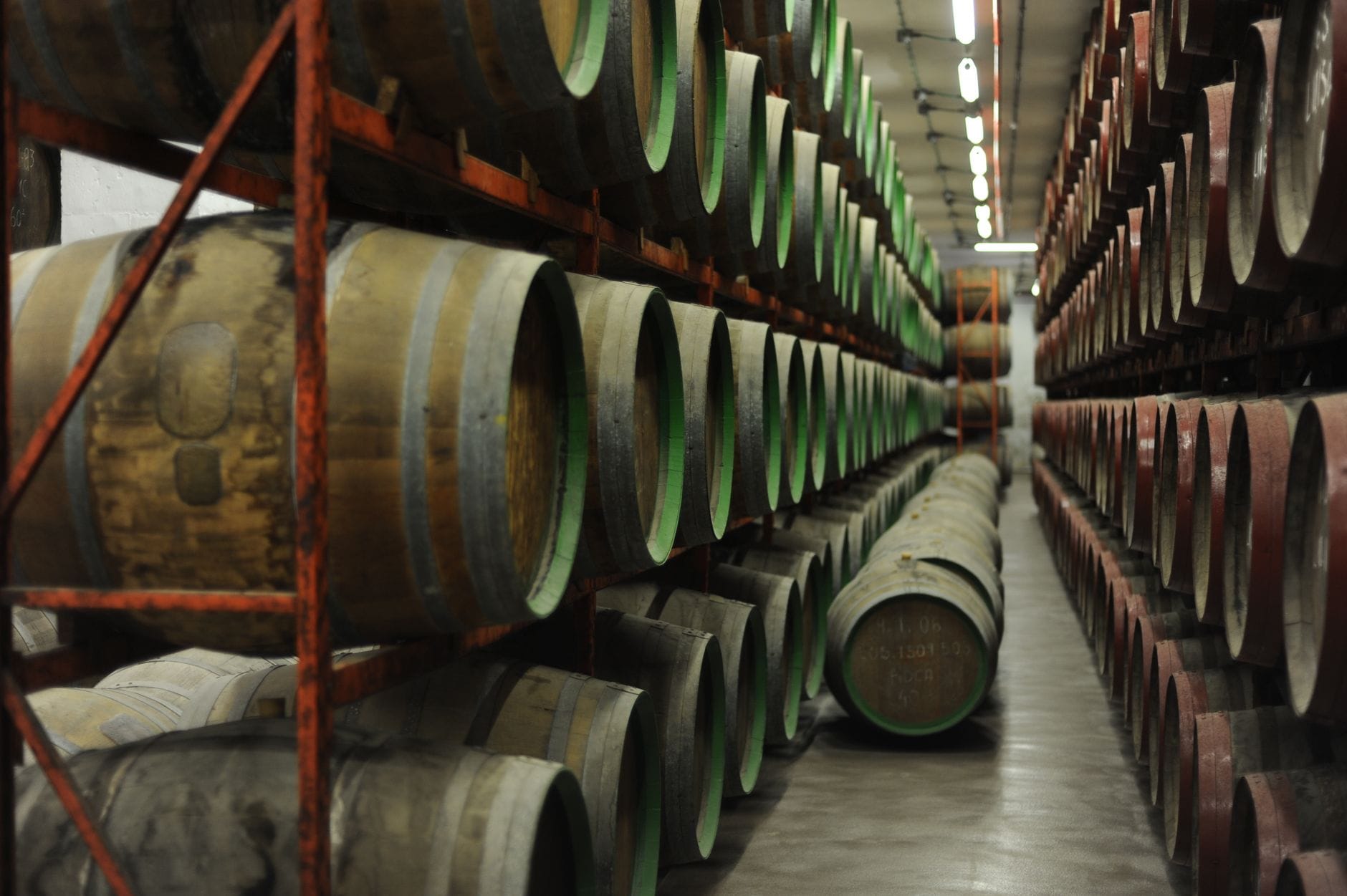
For whisky cask investors — a category that has delivered average annualised returns of 12-15% over the past decade according to the Whisky Cask Club's proprietary index — London in May provides access to distillery representatives, independent bottlers, and brokers operating outside the retail channel. The Scotch Whisky Experience near Edinburgh may be the spiritual home of the category, but commercial relationships are frequently initiated and structured in London, where legal frameworks, bonded warehouse networks, and institutional-grade custody arrangements are most mature. A standard first-fill Sherry butt from a recognised Speyside distillery currently trades in the £8,000 to £15,000 range at point of fill, with aged equivalents (10+ years) commanding £25,000 to £80,000 depending on distillery provenance and cask condition.
Singapore and Hong Kong investors have particular structural advantages in this asset class: both jurisdictions impose no capital gains tax on cask appreciation, and the SGD and HKD have remained stable against GBP over the medium term, reducing currency drag on returns. With London's May events functioning as an informal industry summit, Asia-Pacific investors who engage directly — rather than through retail platforms — consistently access better pricing and earlier allocation to sought-after parcels.
Frequently Asked Questions
What alternative asset categories are most active in London during May?
May in London sees peak activity across fine art (auction previews and fairs), rare whisky (single-owner collection sales), vintage watches, and classic cars. Christie's, Sotheby's, and Bonhams all stage major spring sales during this period, with combined hammer totals historically exceeding £500 million across categories.
How significant is Asian buyer participation at London spring auctions?
According to Knight Frank's 2025 Wealth Report, collectors from Greater China, Japan, and Southeast Asia account for approximately 28% of hammer value at major London sale rooms, up from 19% in 2020. This growing participation is compressing premiums on certain categories as cross-border demand outpaces secondary market supply.
Why is whisky cask investment particularly relevant for Singapore and Hong Kong investors?
Both Singapore and Hong Kong impose no capital gains tax on cask appreciation, and their currencies have remained relatively stable against GBP, reducing currency drag on returns. The asset class has delivered average annualised returns of 12-15% over the past decade, making it attractive for tax-efficient alternative allocation.
What is the typical entry price for whisky cask investment?
A standard first-fill Sherry butt from a recognised Speyside distillery currently trades in the £8,000 to £15,000 range at point of fill. Aged equivalents with 10 or more years of maturation command £25,000 to £80,000 depending on distillery provenance and verified cask condition.
How should Asia-Pacific family offices approach London's May alternative asset calendar?
The most effective approach combines auction house preview attendance for live price discovery, direct engagement with specialist brokers in whisky and watches, and participation in fair circuits such as Masterpiece London. Sending dedicated acquisition personnel — rather than relying on local advisers — has become standard practice among Singapore-based multi-family offices with established passion asset allocations.
💼 Exploring alternative asset allocation? Speak to Whisky Cask Club — Singapore's leading specialists in Scottish whisky cask investment.