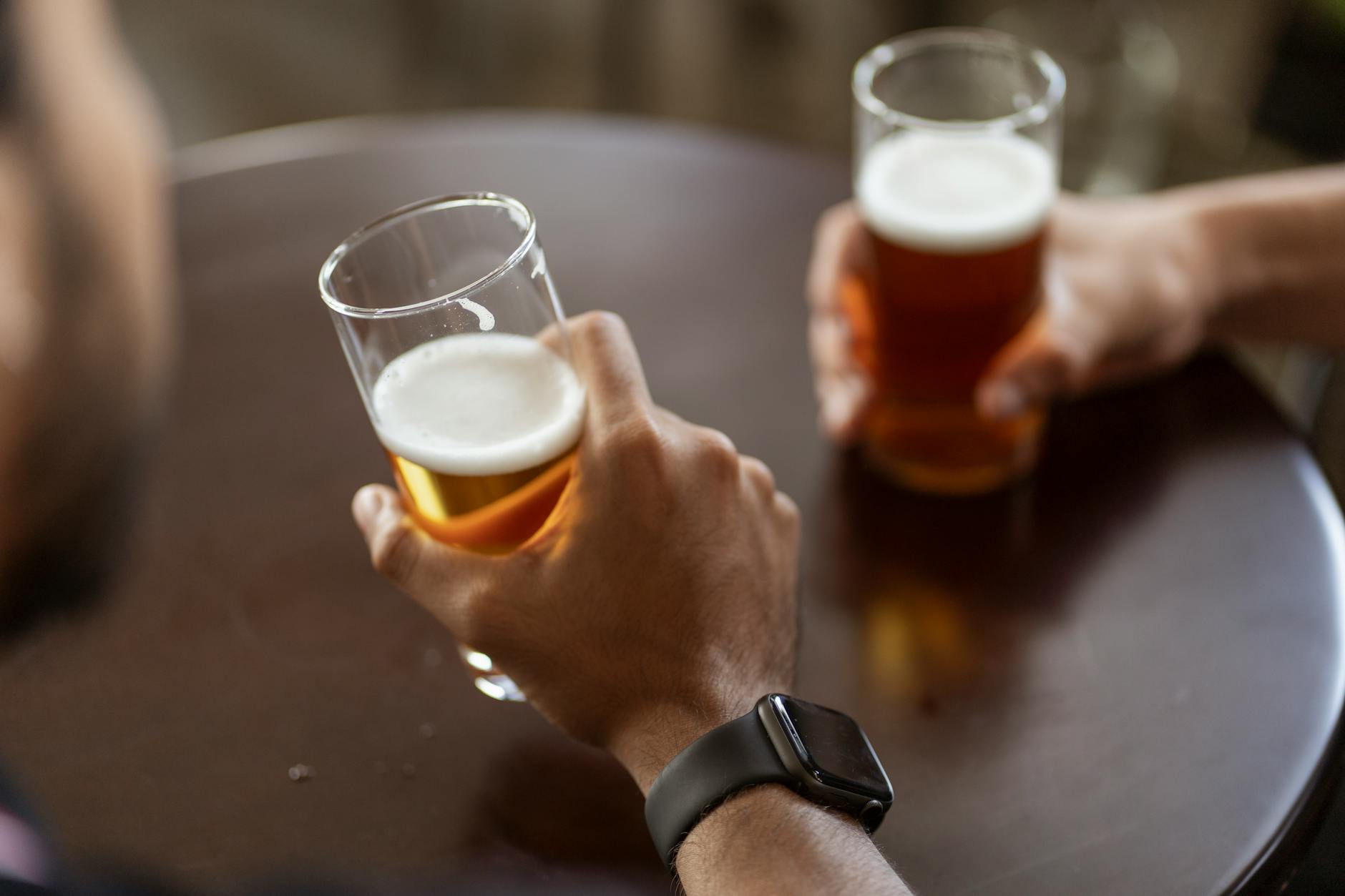
Bunta Beer, founded in 2025 to pair beer with Indian cuisine, has achieved its first draught listing in the UK. In a global craft beer market worth USD 108 billion, the brand's defensible positioning and large Asian diaspora consumer base make it a credible early-stage alternative asset play for Asia-Pacific investors.
Why Craft Beer Brand Equity Is an Alternative Asset Class Worth Watching
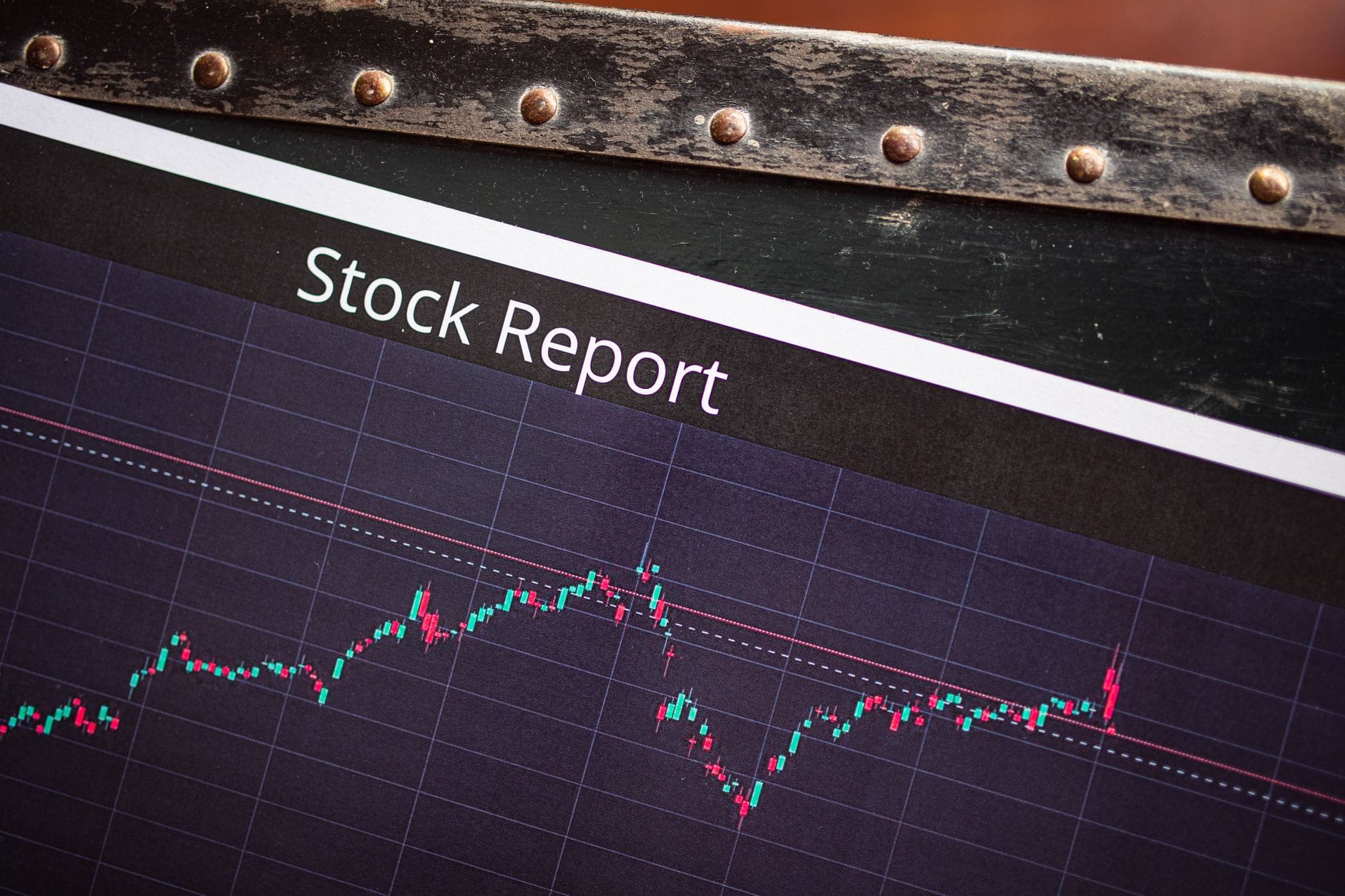
The global craft beer market was valued at approximately USD 108 billion in 2023, with projections placing it above USD 200 billion by 2032, representing a compound annual growth rate of nearly 8%. For alternative asset allocators in Singapore, Hong Kong, and Sydney, beverage brand equity — particularly in niche, defensibly positioned craft categories — has emerged as a credible diversification play alongside whisky casks, fine wine, and collectible spirits. The acquisition of craft breweries by major beverage conglomerates has historically delivered exit multiples of 4x to 10x on invested capital, with AB InBev, Kirin, and Asahi all completing significant craft acquisitions across the past decade. Bunta Beer, founded in 2025 by New Delhi-native Gunikka Ahuja, represents precisely the kind of early-stage brand with a defensible positioning thesis that merits attention from patient capital.
Ahuja's core thesis is straightforward but commercially compelling: Indian cuisine is one of the most widely consumed food categories globally, yet no major beer brand has been purpose-engineered to complement its flavour profiles. Bunta Beer aims to close the gap between how modern Indian food is experienced in the UK — and increasingly across Asia-Pacific dining corridors — and the beer that accompanies it. The brand's first draught listing marks a significant commercial milestone, signalling that on-trade buyers are receptive to the positioning. For investors, on-trade listings are a critical de-risking event; they validate consumer demand, generate recurring revenue, and establish the distribution infrastructure that underpins brand valuation.
What Makes Bunta Beer's Investment Thesis Distinctive?
Craft beverage brands that succeed in attracting acquisition interest typically share three characteristics: a clearly differentiated product, a loyal and growing consumer base, and a scalable distribution model. Bunta Beer's food-pairing focus addresses a genuine white space. Indian restaurants account for a substantial share of dining spend across the UK, Singapore, and the Gulf Cooperation Council markets, yet the beer category within those venues has historically been dominated by generic lager brands with no culinary alignment. By positioning itself as the category-defining beer for Indian cuisine, Bunta creates a moat that is both cultural and commercial.
From a portfolio construction standpoint, early-stage beverage brand equity sits in a similar risk-return bracket to angel investment in consumer goods, with the added benefit of a tangible product and measurable on-trade traction. The brand's draught listing — a notoriously difficult milestone for independent brewers — suggests operational credibility. Comparable UK craft beer exits have included Camden Town Brewery, acquired by AB InBev in 2015 for a reported GBP 85 million, and Beavertown Brewery, in which Heineken acquired a minority stake valuing the business at over GBP 40 million. These benchmarks illustrate the upside available to early investors in category-defining craft brands.
Asia-Pacific Demand Flows and Regional Scarcity
The Asia-Pacific region is not a passive observer in the craft beverage investment story. Singapore-based family offices have been active acquirers of stakes in premium beverage brands, with the city-state's open capital account and sophisticated private banking infrastructure making it a natural hub for cross-border beverage brand investment. Hong Kong's ultra-high-net-worth community has historically allocated to fine wine and whisky, but the post-2020 diversification trend has seen growing interest in consumer brand equity as a liquid-adjacent alternative asset. Japan's craft beer market alone was valued at approximately USD 1.2 billion in 2024, with domestic consumption of internationally positioned craft brands growing at double-digit rates.
Indian diaspora communities across Singapore, Malaysia, Australia, and the UAE represent a natural and scalable consumer base for a brand like Bunta Beer. The Indian diaspora in Singapore alone numbers over 350,000 people, and the city-state's Indian restaurant sector is both well-established and premiumising rapidly. A brand that can demonstrate traction in the UK on-trade and subsequently expand into Singapore, Dubai, and Sydney would present a compelling growth narrative for Series A investors. Regional scarcity of category-defining South Asian food-pairing beverages amplifies the opportunity.
Key Metrics and Comparables for Allocators
- Global craft beer market size (2023): USD 108 billion, projected USD 200 billion+ by 2032
- Comparable exit — Camden Town Brewery: Acquired by AB InBev for approximately GBP 85 million (2015)
- Comparable exit — Beavertown Brewery: Heineken minority stake at GBP 40 million+ valuation
- Singapore Indian diaspora: 350,000+ consumers representing a natural target market
- Japan craft beer market (2024): Approximately USD 1.2 billion, growing at double-digit rates
- Typical craft brewery acquisition multiple: 4x to 10x invested capital at exit
Forward-Looking Insight: The Asia-Pacific Opportunity for Beverage Brand Equity
For Asia-Pacific family offices and private banks constructing alternative asset portfolios, the beverage brand equity category warrants a dedicated allocation framework. The convergence of rising disposable incomes across Southeast Asia, the premiumisation of dining culture in Singapore and Hong Kong, and the growing sophistication of Indian cuisine in regional markets creates a structural tailwind for brands like Bunta Beer. While the brand is currently UK-centric, its expansion roadmap — if executed with discipline — could deliver meaningful value creation over a five-to-seven-year horizon, consistent with the patient capital approach favoured by Asian family offices.
The broader lesson for alternative asset allocators is that defensible brand positioning, validated by on-trade listings and cultural resonance, can generate returns uncorrelated with public equity markets. As whisky cask values have demonstrated — with rare Scotch casks appreciating 10% to 15% annually over the past decade — tangible beverage assets with scarcity characteristics reward early conviction. Bunta Beer is at the very beginning of its commercial journey, but the thesis is clear, the market is large, and the category gap is real. Investors with an appetite for early-stage consumer brand equity should be watching closely.
Frequently Asked Questions
What is Bunta Beer and who founded it?
Bunta Beer is a UK-based craft beer brand founded in 2025 by Gunikka Ahuja, a New Delhi-native entrepreneur. The brand was created with the specific mission of brewing beer designed to pair with Indian cuisine, addressing a widely recognised gap in the on-trade beverage market.
How does craft beer brand equity function as an alternative asset?
Craft beer brand equity can generate returns through minority stake appreciation, eventual acquisition by a major beverage conglomerate, or revenue participation structures. Historical exits in the UK craft beer sector have delivered acquisition multiples of 4x to 10x, with brands like Camden Town Brewery and Beavertown Brewery providing credible benchmarks for early investors.
Why is Bunta Beer relevant to Asia-Pacific investors?
The Asia-Pacific region hosts large and growing Indian diaspora communities in Singapore, Malaysia, Australia, and the UAE, representing a natural consumer base for the brand. Additionally, the regional craft beer market — particularly in Japan and Singapore — is expanding rapidly, and family offices in Hong Kong and Singapore are increasingly allocating to consumer brand equity as a diversification strategy.
What is the size of the global craft beer market?
The global craft beer market was valued at approximately USD 108 billion in 2023 and is projected to exceed USD 200 billion by 2032, growing at a compound annual growth rate of approximately 8%. This scale makes it a credible institutional allocation category alongside fine wine and whisky casks.
How does Bunta Beer compare to whisky cask investment as an alternative asset?
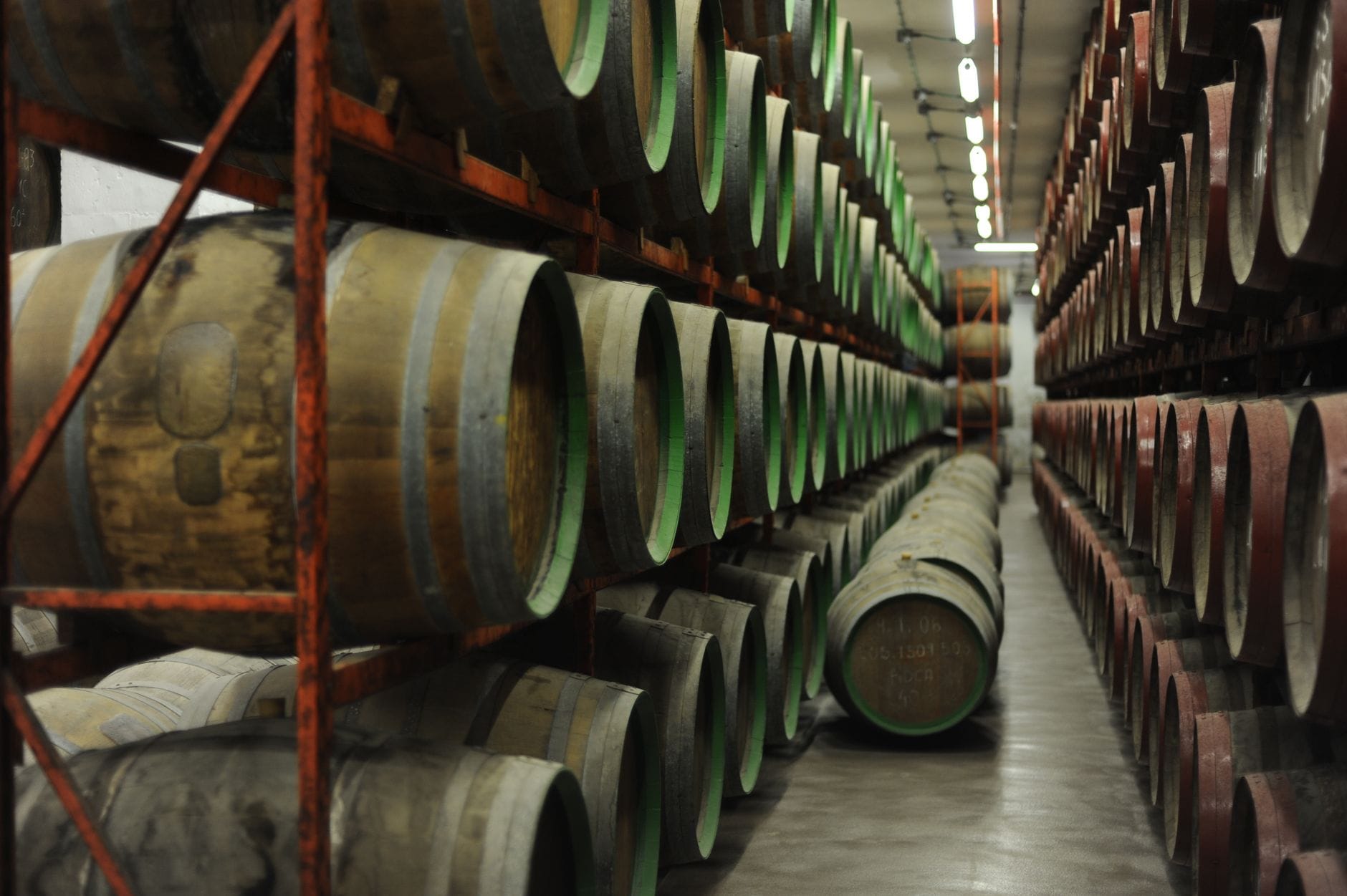
Whisky casks offer a more mature, liquid-adjacent alternative asset with established secondary markets and documented appreciation rates of 10% to 15% annually for premium Scotch. Craft beer brand equity is earlier-stage and higher-risk, but offers asymmetric upside through acquisition exits. The two asset classes are complementary rather than competitive within a diversified alternative portfolio.
💼 Exploring alternative asset allocation? Speak to Whisky Cask Club — Singapore's leading specialists in Scottish whisky cask investment.