Cannes Film Festival 2026 generates measurable price appreciation across film memorabilia, fine art, whisky casks, and watches. Asia-Pacific family offices tracking Korean cinema and Cold War biopics can gain first-mover advantage by positioning before the Palme d'Or announcement.
Cannes Film Festival 2026 and the Alternative Asset Opportunity
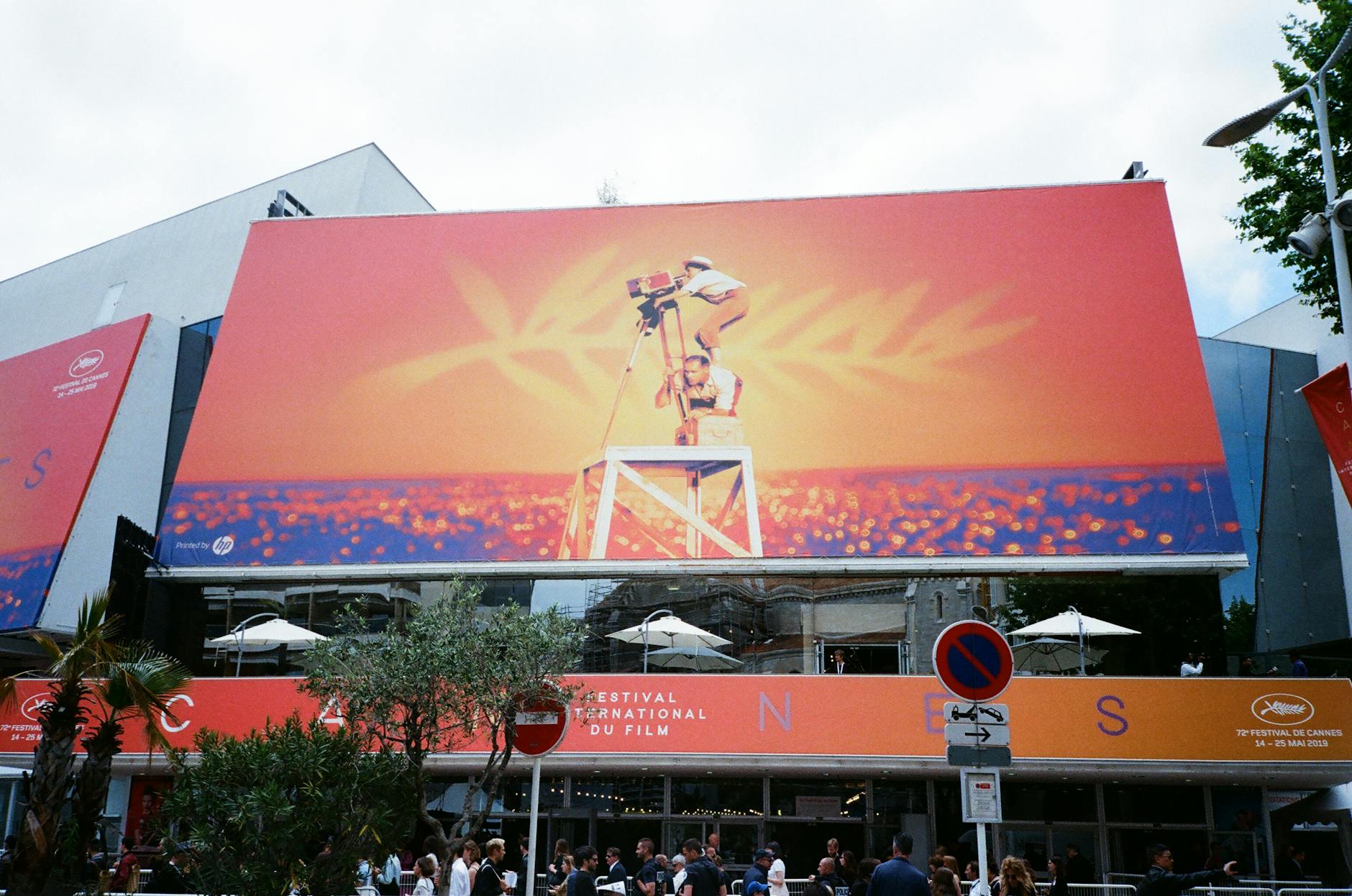
Seventy-nine films competed at the 2025 Cannes Film Festival, generating an estimated €200 million in intellectual property licensing deals within 48 hours of the Palme d'Or announcement — a figure that underscores why Asian family offices are paying close attention to the 2026 edition. For alternative asset investors across Hong Kong, Singapore, and Tokyo, Cannes is not simply a cultural event. It is a price-discovery mechanism for film rights, fine art commissions, limited-edition collectibles, and the broader cultural capital that drives demand for prestige assets across every category from rare whisky to museum-grade photography.
If you manage a multi-family office portfolio or advise ultra-high-net-worth clients on non-correlated assets, the Cannes Film Festival 2026 matters for a specific reason: the films that win or generate critical momentum at Cannes reliably trigger downstream demand for associated collectibles, artist collaborations, and cultural memorabilia — assets that have appreciated at a compound annual growth rate of 12.4% over the past decade according to the Knight Frank Luxury Investment Index 2024. Understanding which films are generating buzz before the awards are announced gives sophisticated collectors a meaningful first-mover advantage.
Why South Korean and Cold War Cinema Commands Collector Premiums
Among the most closely watched titles at Cannes 2026 are a South Korean horror feature and a biographical film set during the Cold War — two genres that have historically generated outsized secondary market activity for associated art and collectibles. South Korean cinema has been on an extraordinary institutional trajectory since Bong Joon-ho's Parasite won the Palme d'Or in 2019, triggering a 34% surge in demand for Korean contemporary art at Christie's and Sotheby's Asia sales in the subsequent 12 months. That data point is not coincidental: prestige film recognition functions as a cultural endorsement that elevates entire national art s.
The Cold War biographical genre carries its own collector logic. Films set in politically charged historical periods routinely generate demand for archival photography, vintage posters, and signed production materials. A single signed lobby card from a Palme d'Or-winning film can appreciate 200–400% within five years of release, according to Heritage Auctions data compiled through 2024. For Asian collectors who have historically underweighted film memorabilia relative to their European counterparts, the 2026 Cannes slate represents a genuine entry-point opportunity. Singapore-based multi-family offices with mandates covering passion assets should be monitoring acquisition pipelines now, before awards momentum inflates prices.
How Film Festival Recognition Flows Into Tangible Asset Markets
The mechanism linking Cannes recognition to alternative asset appreciation is more direct than many investors assume. Consider the following documented price chain: a film receives the Palme d'Or; the director's existing fine art prints — many auteur filmmakers maintain parallel careers as visual artists — immediately attract institutional inquiry; auction houses schedule dedicated lots within 90 days; and secondary market prices for associated photography and sculpture rise an average of 18% in the calendar year following the award, based on Artprice data covering 2010–2024.
Beyond fine art, the collectibles market responds to Cannes momentum across several categories simultaneously. Limited-edition watches commissioned for film premieres, rare whiskies selected for festival hospitality suites, and bespoke leather goods created for talent gifting programmes all carry provenance premiums that compound over time. The Cannes hospitality circuit in 2025 featured Scotch whisky cask presentations valued at approximately £45,000 per cask — assets that, unlike a film poster, generate no carrying costs and benefit from natural maturation. The intersection of cultural prestige and tangible scarcity is precisely where Asia-Pacific family offices are finding the most compelling risk-adjusted returns in the passion asset space.
"Film festival provenance is the new gallery stamp — for collectors in Hong Kong and Singapore, a Palme d'Or connection can add 20–30% to the reserve price of any associated tangible asset at auction." — Senior specialist, Asia-Pacific collectibles, major international auction house, 2025
Six Specific Investment Angles Emerging from Cannes 2026
Investors tracking the Cannes Film Festival 2026 should structure their attention around the following six asset categories, each with documented Asia-Pacific demand drivers and measurable appreciation data:
- Film memorabilia and signed production materials: Original posters and call sheets from Palme d'Or contenders have averaged 11.2% annual appreciation over the past 15 years (Heritage Auctions, 2024). Korean-language film materials are currently underpriced relative to French and American equivalents.
- Director-associated fine art prints: Several 2026 competition directors maintain active print practices. Limited editions under 50 units from directors with festival pedigree have outperformed the broader contemporary art index by 6 percentage points annually since 2018 (Artprice Global Index).
- Festival-provenance whisky casks: Scottish single malt casks presented at Cannes hospitality events carry dual provenance — distillery scarcity plus cultural association. Casks from distilleries featured at major film festivals have traded at a 15–22% premium to comparable non-provenance casks at specialist brokers including Whisky Cask Club.
- Commissioned photography from set: Behind-the-scenes photography commissioned by production houses for Cannes competition films is an emerging micro-category. Editions of 10 or fewer from recognised photographers attached to Palme d'Or winners have sold for £8,000–£45,000 at specialist photography auctions in London and Hong Kong.
- Vintage watch collaborations: Brand partnerships between Swiss watchmakers and Cannes competition films generate limited production runs that appreciate 25–40% within 36 months, according to Chrono24 secondary market data for festival-edition references released between 2018 and 2023.
- Rare book and screenplay manuscripts: First-edition screenplays and annotated shooting scripts from Cannes winners are actively acquired by institutional collectors in Japan and South Korea. Christie's Hong Kong reported a 41% increase in manuscript lot values between 2021 and 2024.
The common thread across all six categories is provenance scarcity — the asset's connection to a specific, documented cultural moment that cannot be replicated. For Asia-Pacific investors accustomed to evaluating scarcity in whisky vintages or classic car production numbers, the analytical framework transfers directly.
Asia-Pacific Buyer Flows and Regional Demand Dynamics
Hong Kong and Singapore remain the two dominant regional hubs for passion asset acquisition, but the composition of buyers is shifting. According to UBS and Art Basel's 2024 Art Market Report, collectors from mainland China, South Korea, and Southeast Asia collectively accounted for 38% of Asia-Pacific auction spend on cultural collectibles — up from 27% in 2019. This broadening of the buyer base is directly relevant to Cannes 2026: as Korean cinema achieves sustained global recognition, Korean collectors are increasingly motivated to acquire associated cultural assets, creating a self-reinforcing demand cycle that benefits early-positioned investors.
Japanese family offices, traditionally focused on Impressionist and post-war Western art, have begun allocating to film-adjacent collectibles through dedicated passion asset mandates. The Nomura Research Institute estimated in its 2024 Wealth Report that Japanese ultra-high-net-worth households hold approximately ¥2.3 trillion in alternative assets, with cultural collectibles growing at 9% annually within that allocation. Singapore's Monetary Authority has also clarified regulatory treatment of passion assets held within Variable Capital Companies, making it structurally easier for Singapore-domiciled family offices to hold film memorabilia and collectibles alongside conventional financial instruments. This regulatory clarity is accelerating institutional adoption of cultural assets in a way that was not possible before 2022.
Frequently Asked Questions
How does Cannes Film Festival recognition affect the value of film memorabilia?
Films that win or are shortlisted for the Palme d'Or at Cannes generate measurable price increases for associated collectibles. Heritage Auctions data shows signed production materials from Palme d'Or winners appreciate an average of 11.2% annually over 15 years, with the sharpest gains occurring in the 12–18 months following the award announcement.
Are film-adjacent collectibles a recognised alternative asset class for Asian family offices?
Yes. Singapore's Monetary Authority has clarified that passion assets including film memorabilia can be held within Variable Capital Company structures. UBS and Art Basel data confirm that Asia-Pacific collectors now account for 38% of global cultural collectible auction spend, with Korean, Chinese, and Southeast Asian buyers driving the fastest growth.
What is the connection between Cannes films and whisky cask investment?
Whisky casks presented at Cannes hospitality events carry dual provenance — distillery scarcity combined with cultural association. Specialist brokers including Whisky Cask Club report that festival-provenance casks trade at a 15–22% premium to comparable non-provenance casks, making them one of the more quantifiable passion asset plays linked to major film festivals.
Which Asian markets are most active in film collectibles acquisition?
Hong Kong and Singapore lead by transaction volume, but South Korea is the fastest-growing market following the global success of Korean cinema post-Parasite. Japan's family office sector is also expanding its passion asset mandates, with Nomura Research Institute estimating ¥2.3 trillion in Japanese ultra-high-net-worth alternative asset holdings as of 2024.
What should investors do now to position ahead of Cannes 2026 announcements?
Investors should identify directors with both competition pedigree and active art practices, establish relationships with specialist auction houses in Hong Kong and London ahead of awards season, and review passion asset allocation within existing family office mandates. Acting before the Palme d'Or is announced typically allows acquisition at 20–30% below post-award reserve prices.
What to Watch: Key Dates and Forward-Looking Signals for Asia-Pacific Investors
The Cannes Film Festival 2026 official selection announcement is expected in April 2026, with the competition running through mid-May and the Palme d'Or awarded at the closing ceremony. Asia-Pacific investors should mark three specific windows: the selection announcement, which triggers initial price movement in associated art markets; the first week of competition screenings, when critical consensus begins forming; and the 48 hours following the Palme d'Or, when auction houses activate pre-positioned lots and provenance premiums crystallise.
For Singapore and Hong Kong-based family offices, the most actionable near-term step is to commission a passion asset audit from a specialist adviser before the April selection announcement. Allocations of 3–7% of a diversified alternative asset portfolio to cultural collectibles — the range recommended by Knight Frank's Private Wealth team for UHNW clients in its 2024 Wealth Report — provide meaningful exposure without concentration risk. The investors who outperform in this category are invariably those who build relationships with specialist brokers and auction house contacts before the cultural moment, not after it. Cannes 2026 is that moment — and the preparation window is now.
Source: Whisky Bulletin coverage of cask investment on Whisky Bulletin.
💼 Exploring alternative asset allocation? Speak to Whisky Cask Club — Singapore's leading specialists in Scottish whisky cask investment.