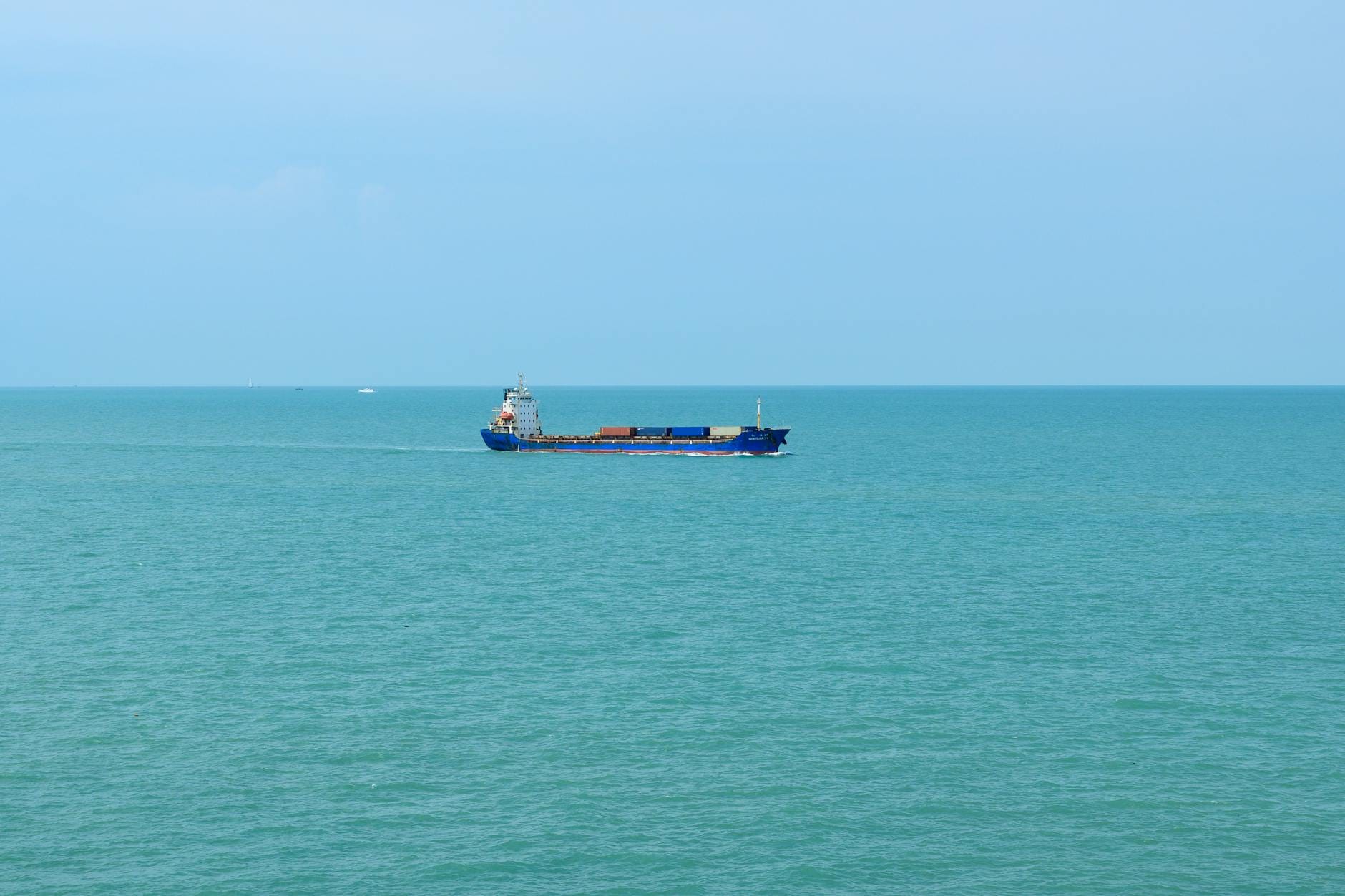
The Malacca Strait is a crucial shipping chokepoint. Fluctuating shipping costs and geopolitical risks force trade finance providers to adapt. This creates investment opportunities in finance instruments supporting ASEAN commodity flows, offering a hedge against market volatility.
The Malacca Strait continues to be the definitive chokepoint for global commodity logistics, particularly for the ASEAN supply chain. With over 80,000 vessels navigating its waters annually, any shift in the Baltic Dry Index sends immediate ripples through regional trade finance.
As shipping costs fluctuate amidst geopolitical pressures, trade finance providers in Singapore and Malaysia are recalibrating their risk models. The reliance on this crucial corridor highlights the urgent need for enhanced supply chain resilience and innovative financing structures that can weather logistical disruptions.
For investors monitoring alternative assets in the logistics and shipping sectors, the Malacca Strait remains a bellwether. The current environment presents a compelling case for deploying capital into trade finance instruments that support commodity flows across the ASEAN region, offering a hedge against broader market volatility.
Frequently Asked Questions
Why is the Malacca Strait important for global trade?
It is a major shipping chokepoint, with over 80,000 vessels annually, critical for ASEAN commodity logistics and global supply chains.
How does the Malacca Strait affect trade finance?
Shipping cost fluctuations and geopolitical pressures there force finance providers in Singapore and Malaysia to recalibrate their risk models.
What investment opportunities does the Malacca Strait present?
It presents a case for investing in trade finance instruments that support ASEAN commodity flows, hedging against broader market volatility.