Concept Verre, a Nice-based bespoke lighting atelier, is gaining traction among Asia-Pacific collectors as the $1.2 billion collectible design market matures. Documented commissions from established European houses have shown 20–40% secondary market appreciation within five to eight years, making them a credible niche allocation for diversified family office portfolios.
Why Bespoke Lighting Is Entering the Collectible Design Conversation
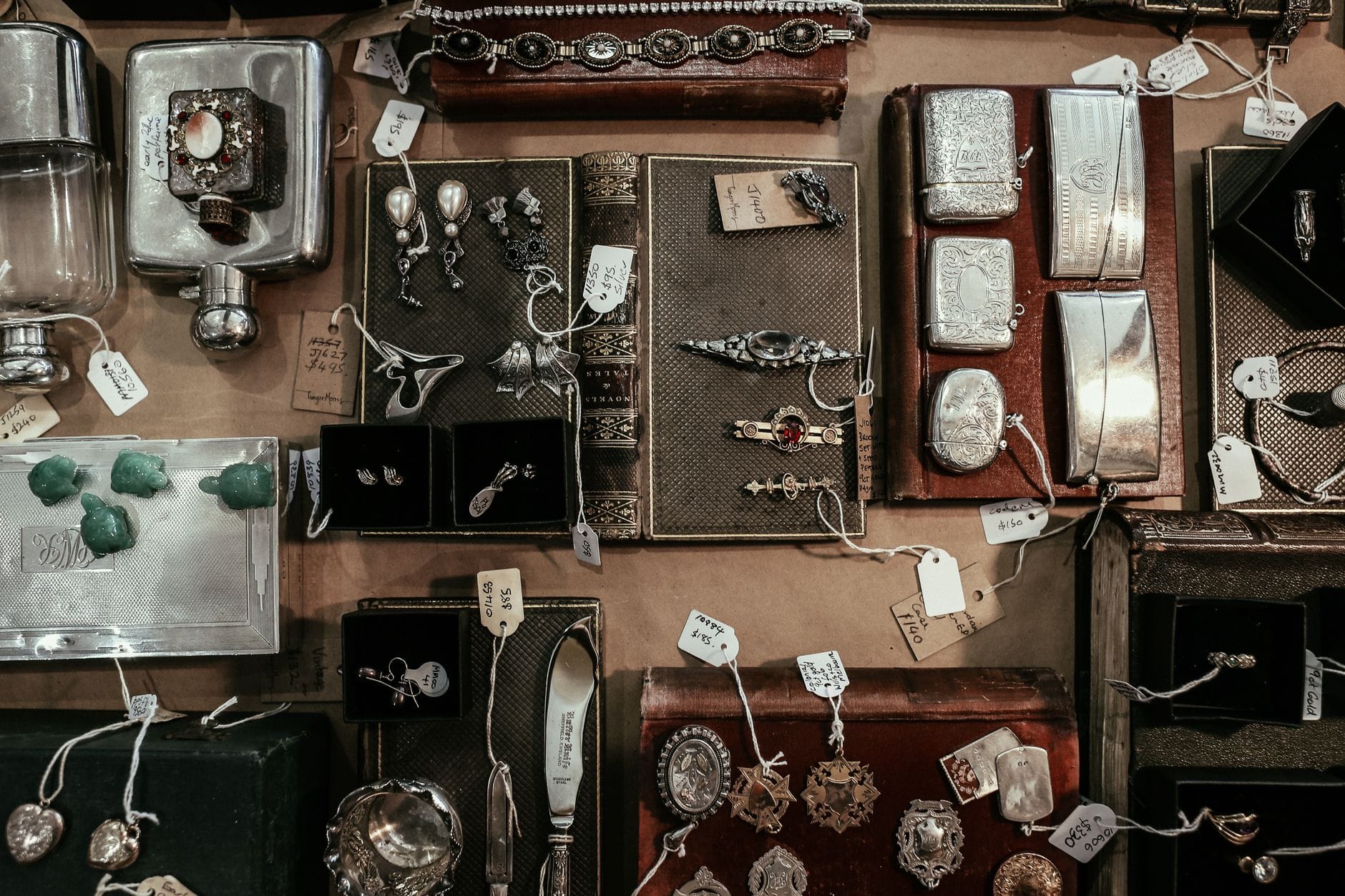
The global collectible design market — encompassing limited-edition furniture, lighting, and decorative objects — reached an estimated $1.2 billion in transaction value in 2023, according to data compiled by Art Market Research and cross-referenced by Sotheby's design department. Within that figure, bespoke lighting from European ateliers has quietly outperformed broader furniture categories, posting average annual appreciation of 8–12% for signed, limited-edition pieces over the past five years. Concept Verre, headquartered in Nice, France, operates squarely within this premium segment, producing fully customisable glass and metal lighting installations that blur the line between functional object and investable artwork.
What distinguishes Concept Verre from mass-market luxury lighting brands is its commissioning model. Each fixture is produced to client specification — dimensions, glass treatment, metal finish, and light source technology — and accompanied by documentation of provenance and production. This documentation infrastructure, increasingly standard among serious collectible design houses, is precisely what institutional buyers and family office advisors require before treating an object as an asset rather than a purchase. The atelier's positioning in Nice also connects it to a broader Côte d'Azur design heritage that carries weight with European and Middle Eastern collectors, and increasingly with buyers from Hong Kong and Singapore.
What Makes Concept Verre's Model Relevant to Asian Investors?
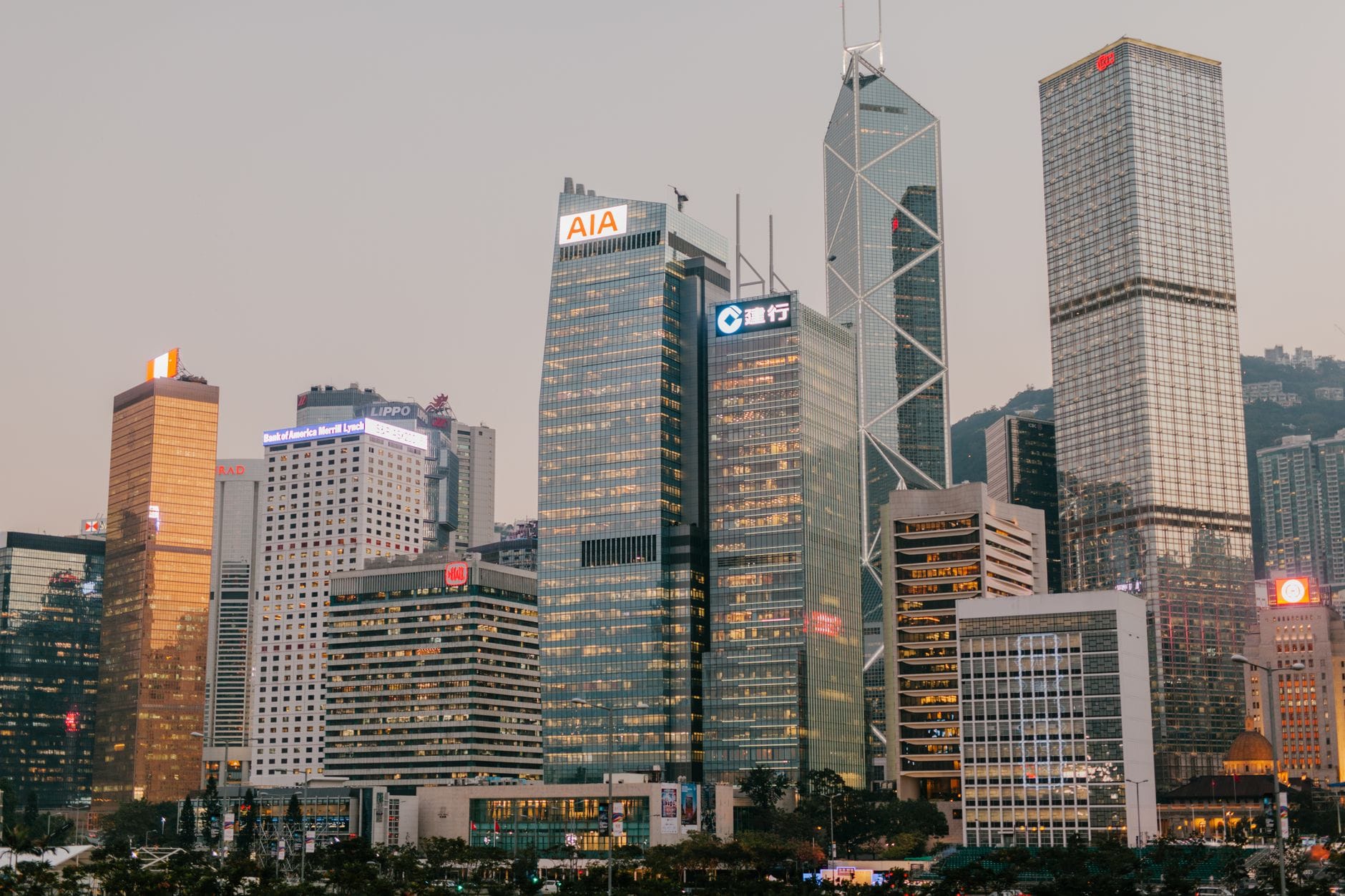
Asia-Pacific buyers have been among the fastest-growing cohorts in the collectible design segment over the past three years. Hong Kong's auction houses — most notably Phillips and Christie's — have reported a 34% increase in Asian bidder registration for design-category lots since 2021, with Singapore and Tokyo emerging as secondary demand centres. The appetite is not merely aesthetic; it reflects a broader portfolio diversification strategy among ultra-high-net-worth individuals who have exhausted traditional alternative asset classes and are seeking objects that carry both cultural capital and resale liquidity.
Concept Verre's customisation model aligns well with the preferences of Asian collectors, who have historically favoured bespoke commissions over off-the-shelf luxury goods. The ability to specify glass colour, structural form, and scale means that a commissioned Concept Verre installation can be designed to complement a specific residential or hospitality interior — a strategy that enhances both the perceived and transactable value of the object. For family offices managing trophy real estate in Hong Kong, Singapore, or Bangkok, integrating a documented, signed lighting commission into a property's asset inventory is a relatively low-friction way to add a collectible design allocation.
Pricing Architecture and Appreciation Benchmarks
While Concept Verre does not publish a public price list — consistent with the commissioning model used by most high-end European design ateliers — comparable bespoke lighting commissions from French and Italian houses have traded at primary market entry points ranging from €15,000 to €120,000 depending on scale and complexity. Secondary market data from Wright Auctions and Piasa in Paris suggests that signed, documented pieces from established European lighting ateliers have achieved hammer prices 20–40% above primary cost within five to eight years of commission, provided condition and provenance documentation are intact.
The key investment variable in this sub-category is the atelier's institutional recognition — whether its work has been acquired by museums, featured in authoritative design publications, or cited in academic surveys of contemporary decorative arts. Concept Verre's profile within the French design establishment and its geographic proximity to major European collectors provides a credible foundation for secondary market liquidity, though Asian buyers should conduct independent provenance verification before treating any single commission as a core portfolio position.
Allocation Strategy: How Does Decorative Lighting Fit a Diversified Portfolio?
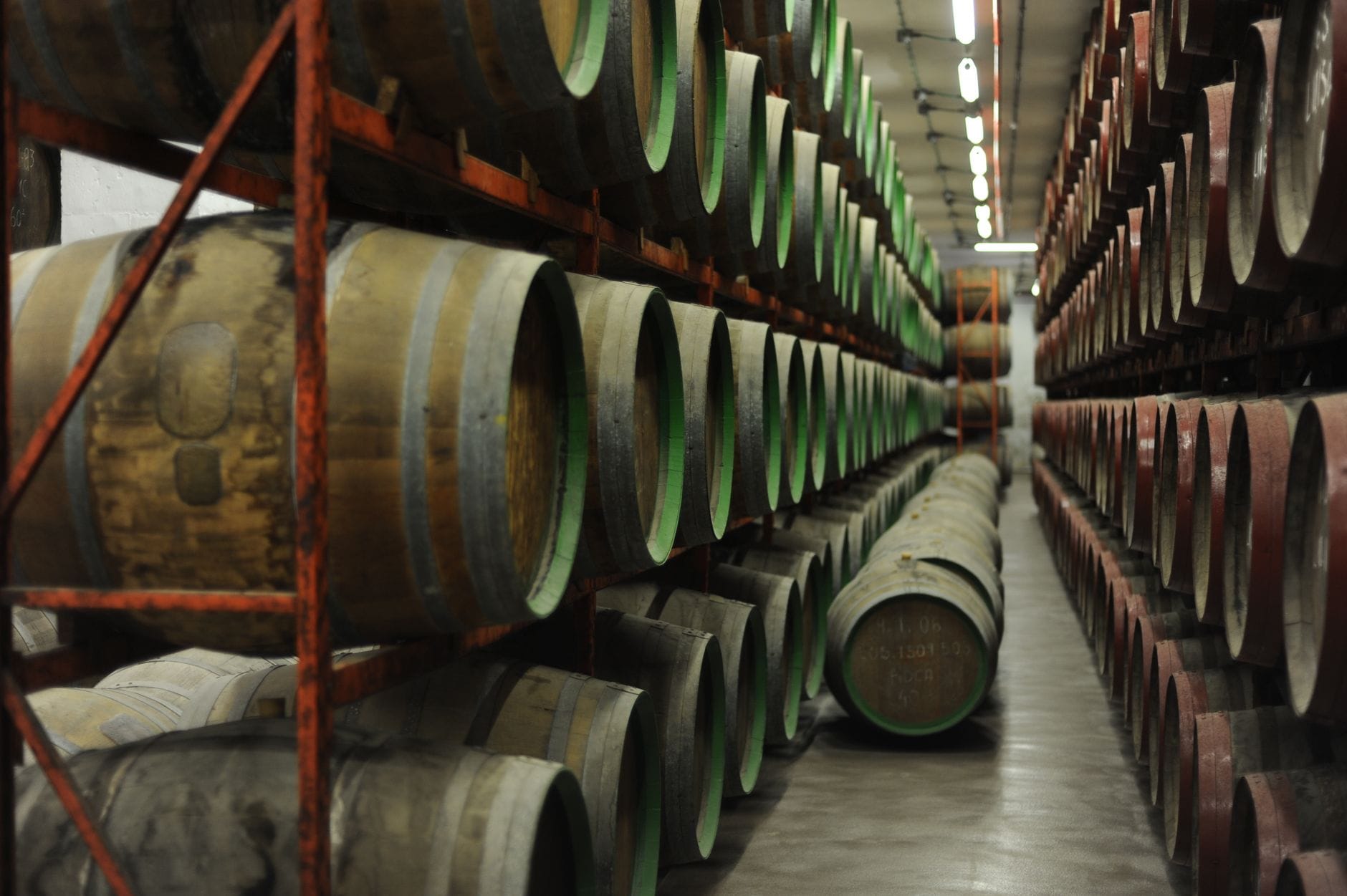
For a family office already holding allocations in whisky casks, fine wine, and watches, a bespoke lighting commission from a documented European atelier functions as a low-correlation, long-duration asset. The liquidity profile is less immediate than a whisky cask or a vintage Rolex, but the cultural capital and interior integration value can support a hold period of seven to fifteen years — consistent with the time horizons used by institutional collectors in the decorative arts category. Allocation sizes for this sub-category typically represent 2–5% of a broader alternative asset sleeve, used primarily for diversification and estate planning rather than near-term yield.
Singapore-based multi-family offices have shown the most structured approach to collectible design allocation in the Asia-Pacific region, with several MFOs now retaining specialist advisors to assess, document, and value decorative art and design holdings on an annual basis. This infrastructure development is a leading indicator that the asset class is maturing — and that European ateliers like Concept Verre, which offer the documentation and provenance standards institutional buyers require, are well-positioned to attract serious capital from the region over the next decade.
Frequently Asked Questions
What is the investment case for bespoke decorative lighting from European ateliers?
Signed, documented bespoke lighting commissions from established European ateliers have shown secondary market appreciation of 20–40% above primary cost within five to eight years, based on auction data from Wright Auctions and Piasa. The asset class offers low correlation to equities and bonds, making it a useful diversification tool within an alternative asset portfolio, provided provenance documentation is intact and the atelier has institutional recognition.
How does Concept Verre's commissioning model affect its collectibility?
Concept Verre produces fully customised lighting installations accompanied by provenance and production documentation — a critical requirement for institutional buyers treating objects as assets. The commissioning model limits edition sizes by definition, supporting scarcity-driven value retention. Documentation infrastructure is the primary differentiator between a collectible design object and a luxury purchase with no secondary market.
Why are Asian family offices increasing allocations to collectible design?
Asia-Pacific buyers have driven a 34% increase in design-category auction registrations at Hong Kong's major houses since 2021. The trend reflects portfolio diversification beyond traditional alternatives, combined with a cultural preference for bespoke, provenance-rich objects. Singapore multi-family offices are leading the structural adoption, with several now retaining specialist advisors to assess and value decorative art and design holdings annually.
What allocation size is appropriate for bespoke lighting within an alternatives portfolio?
Most institutional frameworks suggest 2–5% of an alternative asset sleeve for collectible design, including bespoke lighting. The asset class is best suited to investors with hold periods of seven to fifteen years and an existing infrastructure for provenance documentation and annual valuation. It functions as a long-duration, low-liquidity complement to higher-turnover alternatives such as whisky casks or vintage watches.
What due diligence should Asian buyers conduct before commissioning a piece as an investment?
Buyers should verify the atelier's institutional recognition — museum acquisitions, authoritative publication features, and academic citations in decorative arts surveys. Independent provenance verification, a written commission agreement specifying edition limits and documentation standards, and a secondary market comparables analysis are the minimum requirements before treating any commission as a portfolio asset rather than a lifestyle purchase.
💼 Exploring alternative asset allocation? Speak to Whisky Cask Club — Singapore's leading specialists in Scottish whisky cask investment.