Delvaux's reimagined 1958 Brilliant handbag signals renewed collector momentum in a rare leather goods market delivering 17% annual returns per Knight Frank data. Asia-Pacific buyers now dominate auction spend, making heritage handbags a credible alternative allocation for regional family offices.
Why the Delvaux Brilliant Belongs in an Alternative Asset Conversation
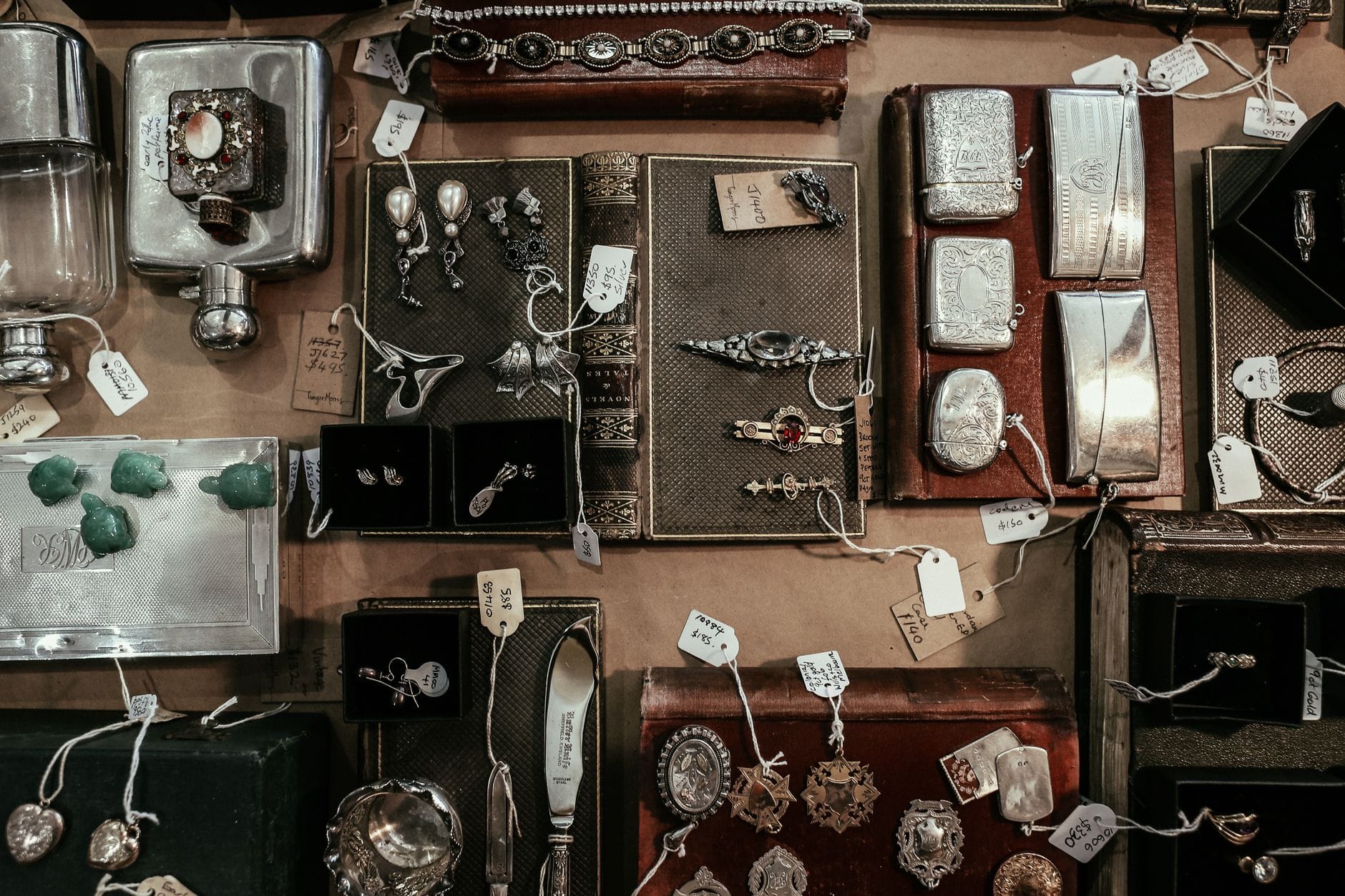
When Belgian leather goods house Delvaux unveiled its latest reimagining of the iconic Brilliant handbag — originally designed in 1958 — the announcement landed not just as a product launch but as a signal to the secondary collectibles market. The Brilliant is widely regarded as the world's first luxury handbag to receive an official patent, a provenance detail that carries measurable weight in auction rooms from Hong Kong to Geneva. Verified heritage, documented scarcity, and institutional brand longevity are precisely the characteristics that underpin investable collectibles, and the Brilliant scores on all three counts.
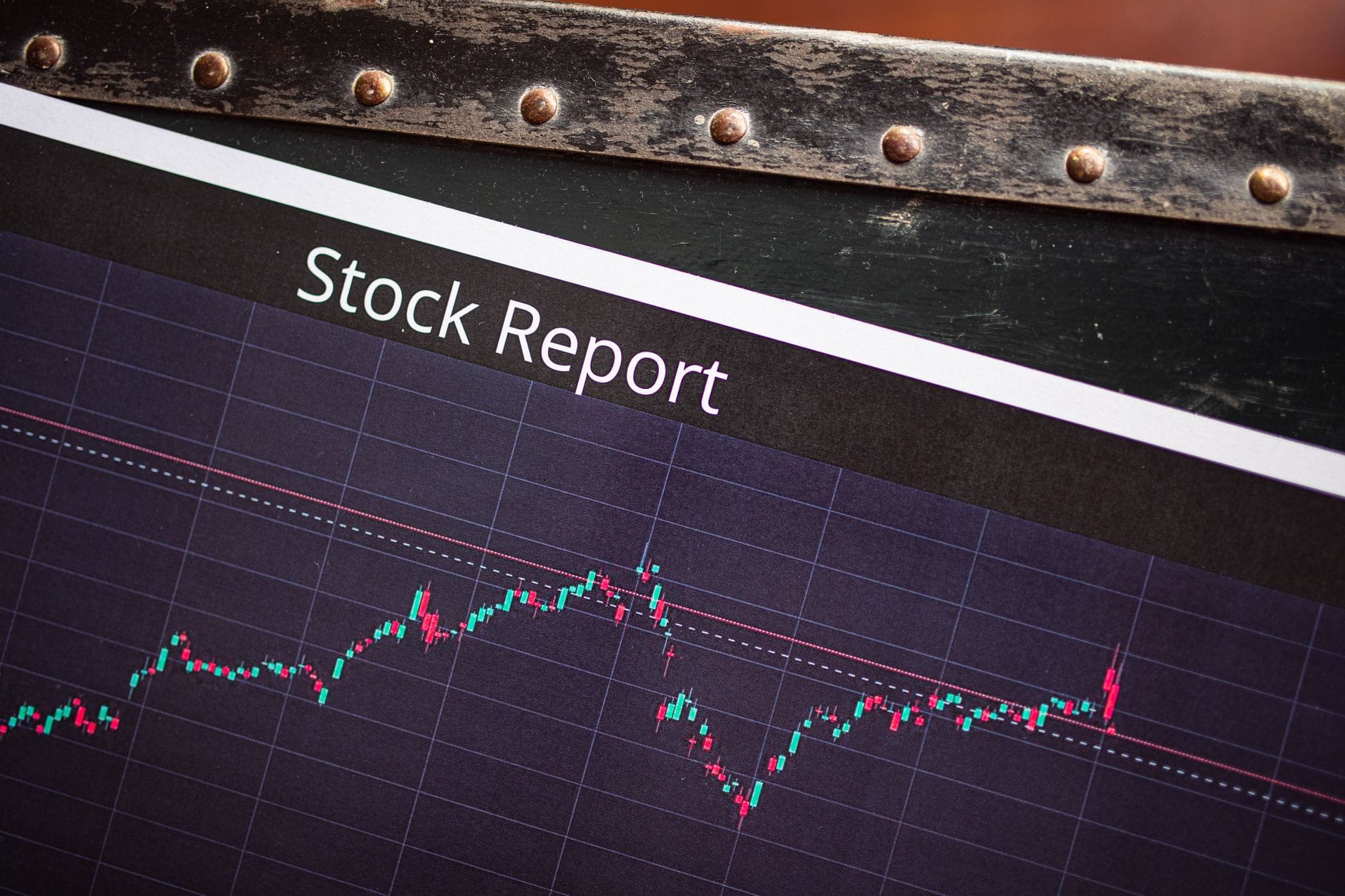
The broader rare handbag market has matured considerably over the past decade. According to data from Knight Frank's Luxury Investment Index, handbags as an asset class delivered a 17 percent average annual return over the ten years to 2023, outpacing classic cars (14 percent), wine (10 percent), and art (11 percent) over the same period. While Hermès Birkin and Kelly bags dominate headline auction results, second-tier heritage marques — Delvaux, Goyard, and Mark Cross among them — have begun attracting serious collector capital, particularly from buyers seeking differentiated exposure away from overcrowded Hermès waitlists.
What Makes the Brilliant a Credible Collectible?
The Brilliant's investment case rests on several structural pillars. Delvaux produces its bags entirely in Belgium, maintaining strict production caps that limit annual output to levels well below demand in high-growth Asian markets. The house has operated continuously since 1829, making it older than Hermès by nearly a decade — a fact that remains underappreciated by collectors outside Europe. Limited-edition colourways and collaboration pieces have historically commanded premiums of 30 to 60 percent over retail on the secondary market within 18 months of release, according to resale platform data aggregated by Rebag and Vestiaire Collective.
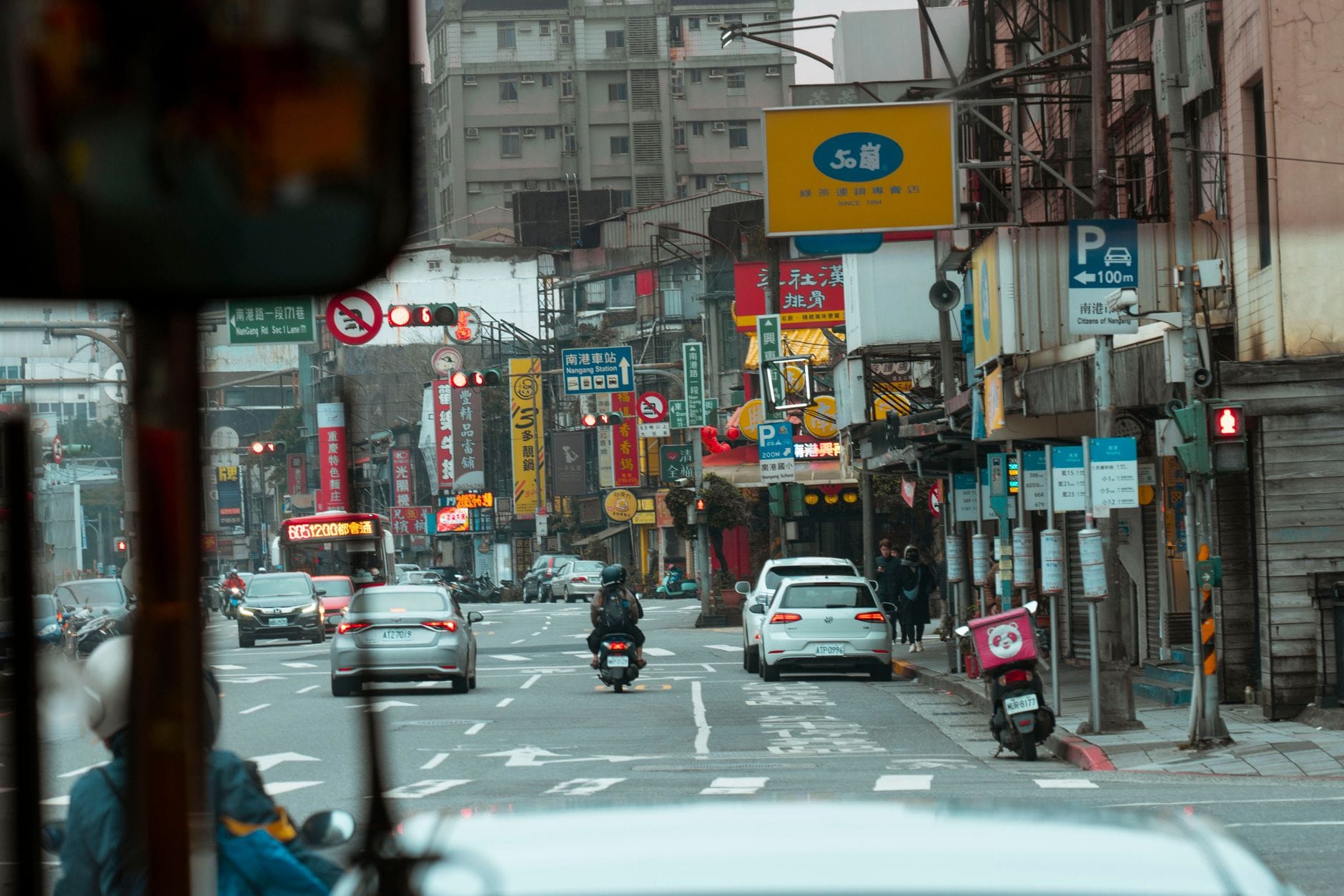
The new 'A Brilliant Idea' campaign specifically revisits the 1958 silhouette with updated hardware configurations and a curated palette designed to resonate with urban aesthetics across multiple city markets simultaneously. For collectors, the deliberate callback to a dateable, historically significant design year reinforces provenance narratives that translate directly into secondary market premiums. Condition-graded examples of early Brilliant models have appeared at Phillips and Sotheby's Asia sales in recent years, with pristine vintage pieces achieving HKD 80,000 to HKD 150,000 at hammer — figures that would have seemed implausible a decade ago.
Asia-Pacific Demand Is Reshaping the Rare Handbag Market
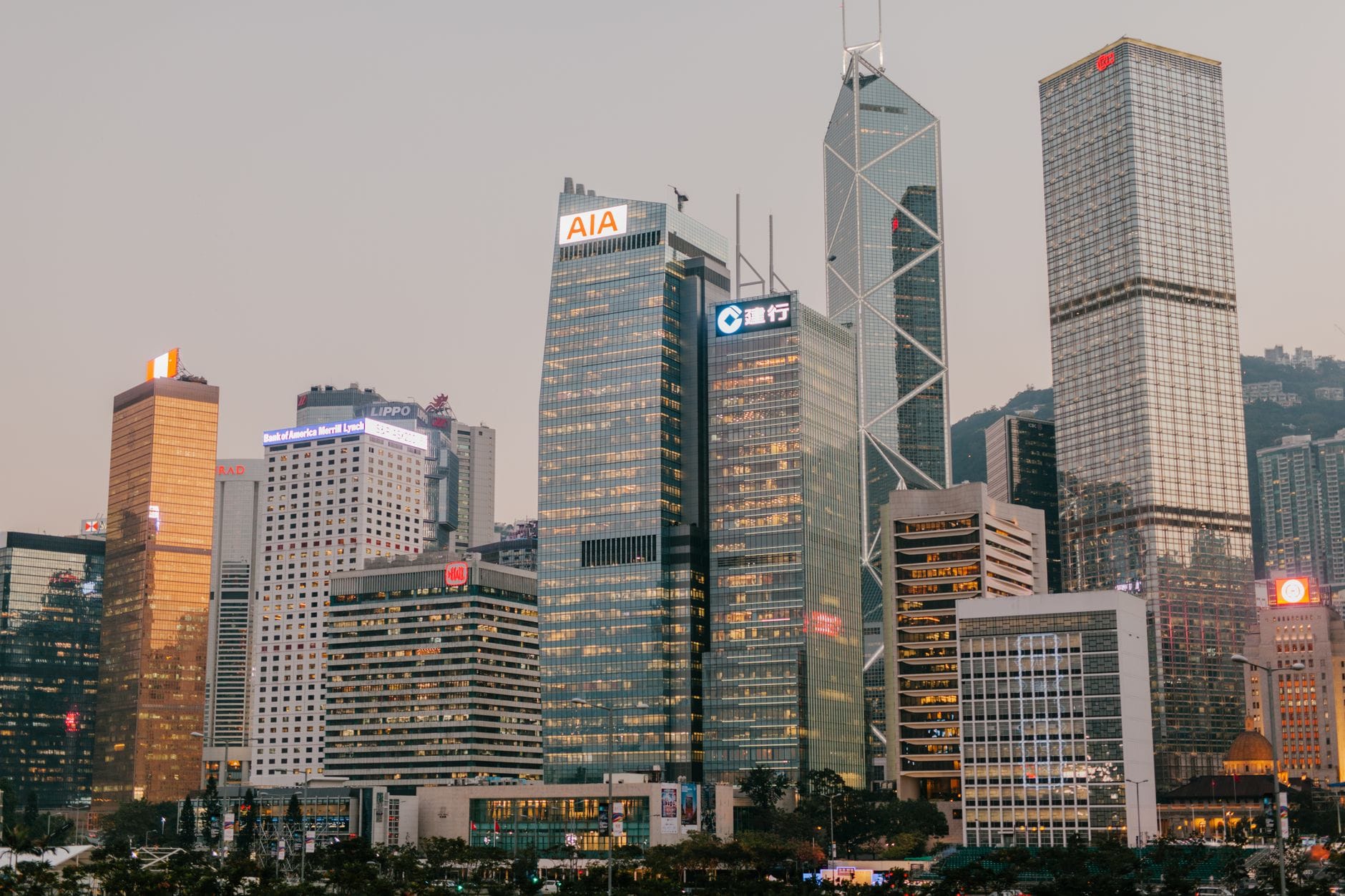
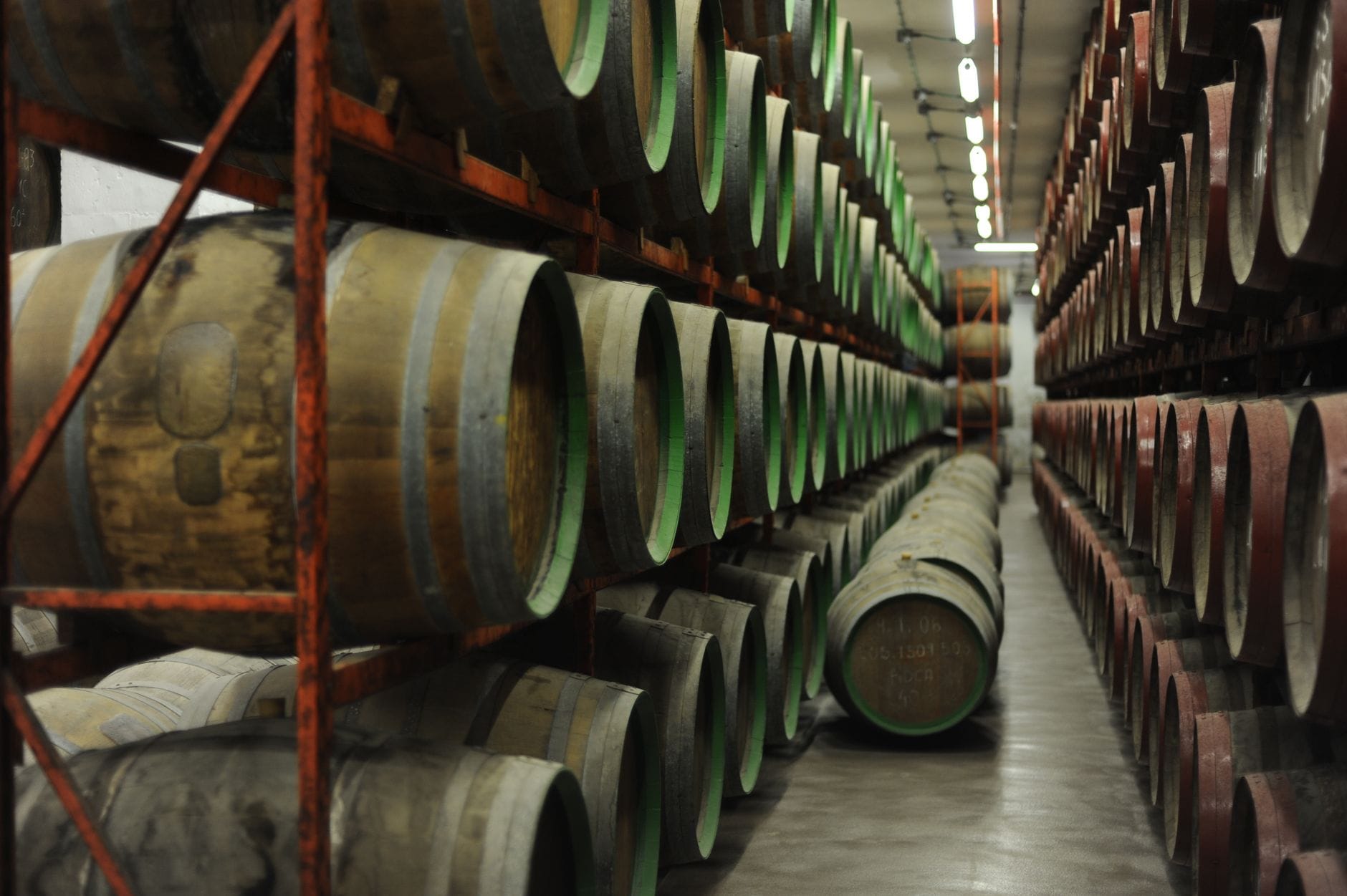
The centre of gravity for rare handbag collecting has shifted decisively toward Asia-Pacific. Hong Kong remains the dominant auction hub for the category, with Sotheby's and Christie's both reporting that Asian buyers accounted for over 65 percent of total handbag auction spend in 2023. Singapore's private banking community has increasingly incorporated authenticated rare handbags into multi-asset alternative portfolios, treating them similarly to fine wine or single-malt whisky casks — illiquid, emotionally resonant, and capable of delivering uncorrelated returns relative to equities.
Japan represents a particularly compelling sub-market. Tokyo's secondhand luxury ecosystem, anchored by operators such as Komehyo and Brand Off, provides institutional-grade liquidity infrastructure that most Western markets lack. Japanese collectors have historically shown strong affinity for Belgian and French heritage brands, and Delvaux's Brilliant has maintained a loyal following in Osaka and Tokyo boutiques for over two decades. Thailand and South Korea are emerging as additional demand centres, with Bangkok and Seoul both recording double-digit growth in authenticated luxury resale volumes through 2023 and into 2024.
Allocation Considerations for Family Offices and Private Banks
For investors considering rare handbag exposure, the key variables are authentication infrastructure, storage costs, and exit liquidity. Unlike whisky casks or wine, handbags require climate-controlled storage and professional authentication at each transaction point, adding frictional costs of roughly 8 to 12 percent per round trip. However, the asset class benefits from zero carrying taxes in most Asia-Pacific jurisdictions and is increasingly accepted as collateral by specialist lenders in Singapore and Hong Kong, with loan-to-value ratios of 40 to 60 percent available on blue-chip pieces from houses including Delvaux.
Portfolio allocation to rare collectibles — spanning handbags, watches, wine, and whisky — typically sits between 3 and 7 percent of total AUM in sophisticated Asian family office structures, according to UBS and Citi Private Bank surveys published in 2023. Within that sleeve, handbags have moved from a curiosity to a recognised sub-category, with dedicated funds such as Rally and Otis offering fractional exposure for investors below the direct-purchase threshold. The Delvaux Brilliant, with its combination of documented heritage, production scarcity, and growing Asian collector demand, fits cleanly within that allocation framework.
Frequently Asked Questions
What is the Delvaux Brilliant and why does it matter to collectors?
The Delvaux Brilliant, introduced in 1958, is widely recognised as the world's first patented luxury handbag. Its documented provenance, Belgian craftsmanship heritage dating to 1829, and strictly limited production volumes make it a credible collectible asset with a growing secondary market, particularly in Asia-Pacific auction rooms.
How do rare handbags perform as an alternative asset compared to watches or wine?
According to Knight Frank's Luxury Investment Index, handbags returned an average of 17 percent annually over the decade to 2023, outperforming wine (10 percent), art (11 percent), and classic cars (14 percent). However, transaction costs of 8 to 12 percent per round trip and authentication requirements mean net returns are lower than headline figures suggest.
Which Asia-Pacific markets are driving demand for heritage handbags like the Delvaux Brilliant?
Hong Kong leads as the primary auction hub, with Asian buyers representing over 65 percent of global handbag auction spend in 2023. Japan offers the deepest secondhand liquidity infrastructure, while Singapore, South Korea, and Thailand are recording accelerating growth in authenticated resale volumes.
Can rare handbags be used as collateral in Asia-Pacific private banking structures?
Yes. Specialist lenders in Singapore and Hong Kong increasingly accept authenticated luxury handbags as collateral, offering loan-to-value ratios of 40 to 60 percent on blue-chip pieces from houses such as Delvaux, Hermès, and Chanel, subject to condition grading and third-party authentication.
What allocation do Asian family offices typically assign to rare collectibles including handbags?
UBS and Citi Private Bank surveys from 2023 indicate that sophisticated Asian family offices allocate between 3 and 7 percent of total AUM to rare collectibles as a category, encompassing handbags, watches, wine, and whisky casks. Handbags have shifted from a peripheral curiosity to a recognised sub-category within that sleeve.
💼 Exploring alternative asset allocation? Speak to Whisky Cask Club — Singapore's leading specialists in Scottish whisky cask investment.