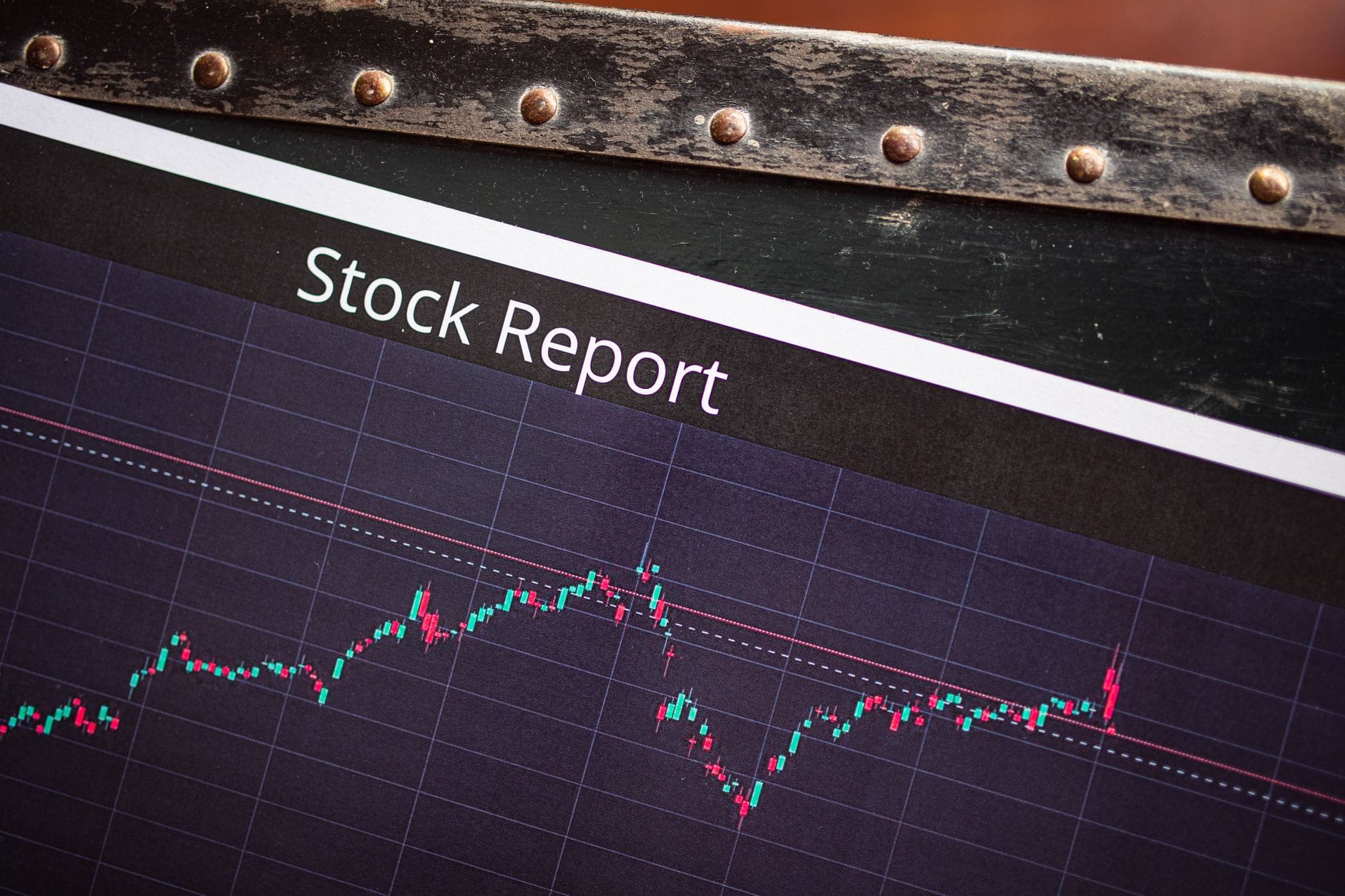
Private credit markets face rising default rates and AI-driven borrower stress. Asia-Pacific HNWs with concentrated private debt exposure should review portfolio quality and consider diversifying into uncorrelated tangible assets such as whisky casks, fine wine, and investment-grade watches.
Private Credit Crunch Risk: What Are the Warning Signs?
Private credit has been one of the fastest-growing asset classes globally over the past decade, with the market swelling to approximately USD 1.7 trillion in assets under management by end-2023, according to Preqin. Asia-Pacific allocations have surged in parallel, with Singapore and Hong Kong serving as regional hubs for family office exposure to direct lending, mezzanine debt, and distressed credit strategies. However, a confluence of factors — persistent high interest rates, deteriorating borrower quality in tech-adjacent sectors, and the accelerating disruption of software businesses by artificial intelligence — is prompting wealth managers across the region to reassess concentration risk in private debt portfolios.
The concern is not hypothetical. Default rates on leveraged loans in the United States climbed to 3.8% in late 2024, the highest level since 2020, while European private credit funds reported a marked uptick in payment-in-kind elections, a signal that borrowers are conserving cash rather than servicing debt in full. For Asian HNWs who accessed these strategies through feeder funds domiciled in the Cayman Islands or Luxembourg, the opacity of underlying loan books adds another layer of complexity. When stress propagates through a private credit portfolio, it rarely announces itself with the same immediacy as a listed equity drawdown.
How Does AI Disruption Amplify Private Credit Risk?
A significant portion of private credit deployment over the past five years has flowed into software and technology-enabled businesses, attracted by their recurring revenue profiles and perceived resilience. That thesis is now under pressure. The rapid commercialisation of large language models and AI-native software platforms is compressing the competitive moats of mid-market SaaS companies — precisely the borrower cohort that underpins a substantial share of direct lending books. Firms that locked in five-year loans at 2021 valuations may find their enterprise value has deteriorated materially by the time refinancing comes due.
For private credit managers, this creates a vintage risk problem that is difficult to hedge. Unlike public markets, where repricing is instantaneous, private loan valuations are marked quarterly at best, meaning HNW investors may be carrying unrealised losses that are not yet reflected in their NAV statements. Singapore-based multi-family offices have begun requesting more granular look-through reporting from their private credit GPs, a trend that reflects growing sophistication — and growing unease — about what lies beneath the surface of these portfolios.
Why Are Asia-Pacific Investors Rotating Toward Tangible Assets?
Against this backdrop, allocators across the region are revisiting the role of hard, tangible assets in their alternative sleeves. Rare Scotch whisky casks have attracted particular interest from family offices in Singapore, Hong Kong, and increasingly Thailand and Japan, where appreciation for aged spirits intersects with a credible investment thesis. The Knight Frank Luxury Investment Index recorded whisky as one of the top-performing passion assets over the past decade, with rare single malt indices appreciating more than 280% over the ten-year period to 2023. Crucially, whisky cask values are not correlated to credit cycles or software sector multiples — they mature on their own timeline, literally and financially.
Auction data reinforces the narrative. Bonhams, Sotheby's, and specialist platforms such as Whisky Auctioneer have all reported record Asian buyer participation, with Hong Kong and Singapore bidders accounting for a growing share of high-value lot acquisitions. A single cask of 1988 Macallan, for instance, fetched over USD 180,000 at auction in 2023, illustrating the price depth available at the top end of the market. For HNWs seeking uncorrelated returns with physical custody of the underlying asset, the whisky cask proposition is structurally distinct from a leveraged loan to a mid-market SaaS company in Ohio.
What Should HNWs Do With Their Private Credit Exposure Now?
The answer is not wholesale liquidation — private credit still offers an illiquidity premium that is genuinely attractive for investors with appropriate time horizons. However, concentration management is overdue for many Asian portfolios. Wealth advisers in Singapore are recommending a barbell approach: maintain selective exposure to senior secured private credit with conservative loan-to-value ratios, while simultaneously building positions in assets that carry no refinancing risk and no AI disruption narrative. Whisky casks, fine wine, and investment-grade watches all qualify on that basis, and each has demonstrated price resilience through prior credit stress periods.
The broader lesson for Asia-Pacific HNWs is that the diversification benefits of private credit — long touted as a substitute for fixed income — are conditional on borrower quality remaining stable. When that assumption breaks down, as it is beginning to in certain pockets of the market, the portfolio construction logic needs to adapt. Tangible, scarce, and globally tradeable assets offer a form of resilience that no amount of covenant documentation can replicate in a private loan book.
Frequently Asked Questions
What is private credit and why do HNWs invest in it?
Private credit refers to non-bank lending — direct loans, mezzanine debt, and distressed strategies — arranged through private funds rather than public markets. HNWs invest because it offers an illiquidity premium, typically 150-300 basis points above comparable public debt, along with floating-rate structures that performed well during the rate-hiking cycle of 2022-2024.
How does AI disruption affect private credit portfolios?
Many private credit funds lent heavily to mid-market software and technology businesses during 2019-2022. AI-native competitors are now eroding the revenue predictability of these borrowers, increasing default risk and reducing enterprise valuations at the point of loan refinancing. This creates vintage-specific stress that may not yet be visible in quarterly NAV reports.
Are whisky casks a credible alternative for Asia-Pacific investors?
Yes, with appropriate due diligence. The Knight Frank Luxury Investment Index shows rare whisky appreciated over 280% in the decade to 2023. Casks are held in HMRC-bonded warehouses in Scotland, carry no counterparty credit risk, and have demonstrated strong demand from Asian buyers at international auction. They are not liquid instruments, but neither are private credit fund positions.
What allocation to tangible assets is appropriate for an HNW portfolio?
Most Singapore and Hong Kong multi-family offices treat passion and collectible assets as a 3-8% sleeve within the broader alternatives allocation. Within that sleeve, whisky casks, fine wine, and investment-grade watches are typically held for five to ten years, aligning well with the time horizons already accepted in private equity and private credit mandates.
How can I assess the quality of my existing private credit exposure?
Request look-through reporting from your GP or feeder fund administrator, focusing on sector concentration, loan-to-value ratios, payment-in-kind elections, and borrower EBITDA trends. Singapore-based family offices are increasingly demanding this level of transparency as a condition of re-up commitments in new vintages.
💼 Exploring alternative asset allocation? Speak to Whisky Cask Club — Singapore's leading specialists in Scottish whisky cask investment.