Edward Jones reported an 18% jump in asset-based fee revenue for Q1 2025. The article connects this to rising asset values, highlighting strong returns in alternative investments like rare whisky, fine wine, and watches for Asian portfolios.
Why Did Edward Jones Asset-Based Fee Revenue Jump 18% in Q1 2025?
Edward Jones posted asset-based fee revenue of $3.9 billion in Q1 2025, an 18% year-on-year increase driven by growth in advisory programs and broadly elevated equity market levels. Net income before partner allocations rose 5.5% to $541 million, a figure that signals sustained momentum in fee-based wealth management even as operating costs climbed in parallel. For context, the firm manages assets across millions of individual investor accounts in North America, making this quarterly result a useful barometer for how rising market valuations translate into advisory fee income at scale. The 18% fee revenue surge is not merely a US story — it is a directional signal for every Asian family office benchmarking their own advisory cost structures and alternative allocation targets.
If you are a private banker, single-family office treasurer, or institutional allocator based in Singapore, Hong Kong, or Tokyo, this data point matters for one specific reason: when advisory fee income at a firm the size of Edward Jones rises 18% in a single quarter, it reflects the same rising-AUM tailwind that is simultaneously inflating the valuations of real, tangible assets — whisky casks, fine wine, classic watches, and rare collectibles — held outside the traditional fee-bearing wrapper. Asian investors who diversified into physical alternative assets in 2022 and 2023 are now sitting on portfolios that have appreciated alongside, and in some cases ahead of, public equity benchmarks. Understanding where that appreciation is concentrated, and where it is still underpriced, is the allocation question of mid-2025.
What Returns Do Alternative Asset Investments Generate for Asia-Pacific Portfolios?
Alternative assets generate returns that are structurally uncorrelated to the advisory-fee cycle that drove Edward Jones's Q1 result. According to data from Rare Whisky 101, the Apex 1000 index — which tracks the secondary market value of the 1,000 most actively traded Scotch whisky bottles — appreciated approximately 373% over the decade to 2023, outperforming the FTSE 100 on a total-return basis over the same period. Cask-level returns have been even more pronounced: independent brokers report that a standard 200-litre first-fill bourbon barrel of single malt Scotch, purchased at distillery in 2018 for approximately £8,000–£12,000, is now being quoted at £18,000–£28,000 depending on distillery provenance and spirit age — implying annualised gains in the range of 12–18% per annum before storage and insurance costs.
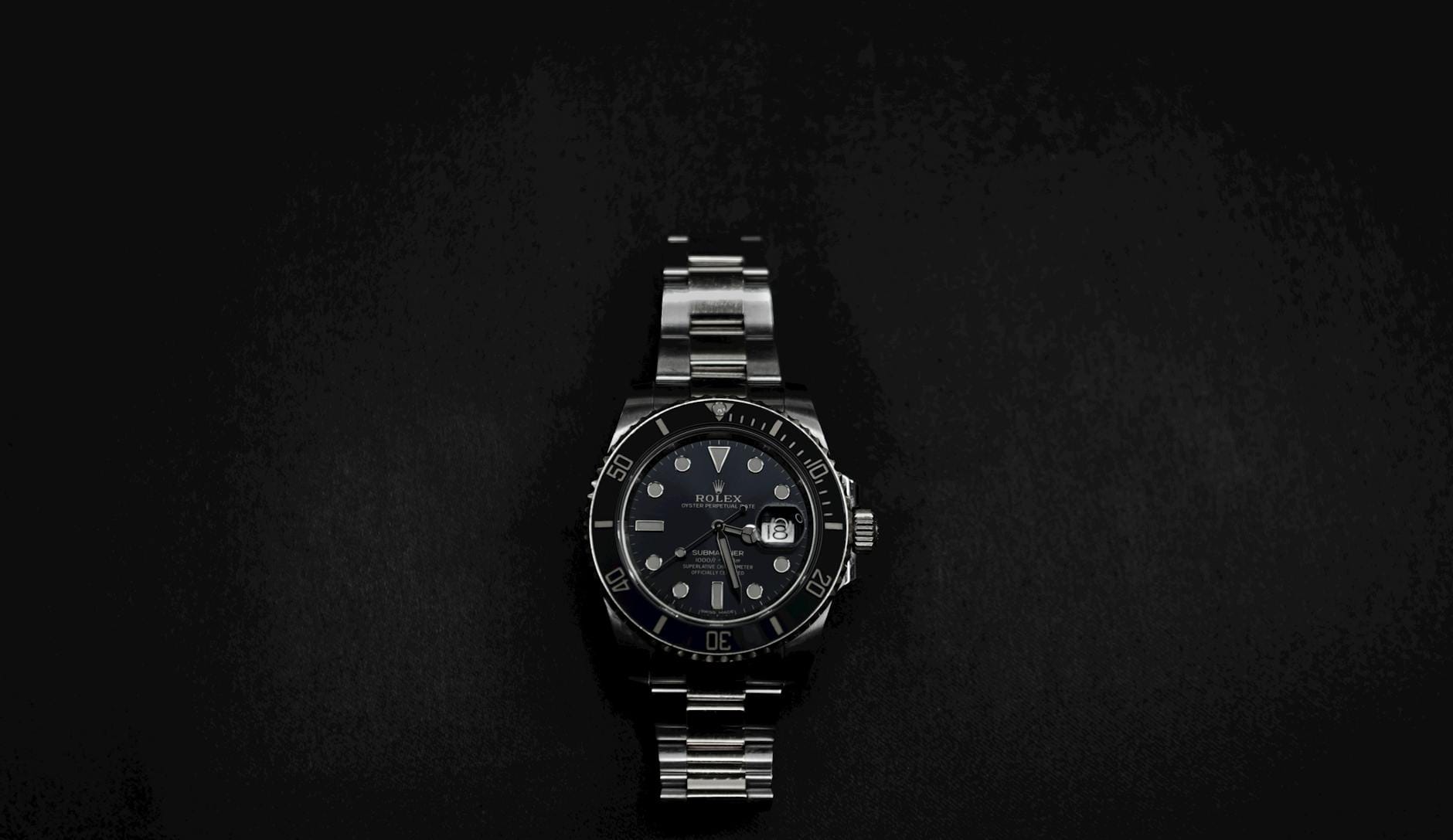
Fine wine tells a comparable story. The Liv-ex Fine Wine 1000 index, which tracks secondary market prices across the broadest cross-section of investment-grade wine, gained 34% between January 2020 and December 2023, with Burgundy and Champagne sub-indices outperforming. Rare watches — specifically vintage Rolex Daytona references and Patek Philippe perpetual calendars — saw auction hammer prices at Christie's and Bonhams Hong Kong rise by an average of 22% between 2020 and 2023, before a modest correction in 2024 that analysts at WatchCharts described as a healthy consolidation rather than a structural reversal. Classic cars tracked by the Historic Automobile Group International (HAGI) Top Index recorded a 25% compound gain over five years to end-2023. Across all four asset classes, the common thread is scarcity-driven appreciation that does not appear on any advisory fee schedule.
"When AUM-linked fee income at major wealth managers rises 18% in a quarter, it is a lagging indicator of asset price inflation. The leading indicator — for those willing to look — is the secondary market for physical collectibles, where price discovery is faster and supply is structurally fixed." — Alt Asset Asia editorial analysis, Q2 2025
Why Are Asian Investors Buying Whisky Casks and Tangible Collectibles?
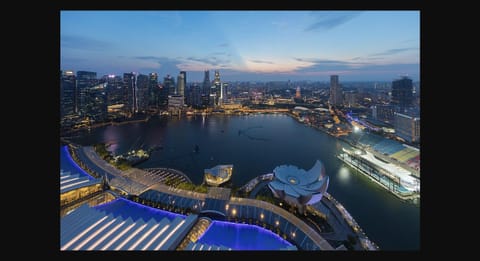
Asian investors are buying whisky casks and tangible collectibles because these assets offer three properties that fee-based advisory programs structurally cannot: fixed supply, tax-efficient holding structures in key jurisdictions, and direct ownership without counterparty risk. In Singapore, the Monetary Authority of Singapore (MAS) does not classify investment-grade whisky casks as a regulated financial product, meaning that accredited investors can acquire casks through licensed brokers such as Whisky Cask Club without the compliance overhead associated with fund subscription. This regulatory clarity has made Singapore the leading Asian hub for whisky cask transactions, with Whisky Cask Club reporting a significant increase in enquiries from regional family offices since 2022.
Hong Kong-based multi-family offices have increasingly allocated 3–7% of total AUM to physical collectibles as a volatility dampener, according to conversations with practitioners at the 2024 Asia Alternative Investment Summit. Japanese ultra-high-net-worth investors, historically concentrated in domestic real estate and equities, have been diversifying into Scotch whisky casks and vintage Burgundy through Geneva-based intermediaries with regional desks in Tokyo. The Monetary Authority of Singapore's Variable Capital Company (VCC) framework, introduced in 2020, has also enabled some family offices to hold whisky cask inventories inside a regulated, ring-fenced structure — a development that has materially lowered the operational barrier for institutional participation.
The supply side reinforces the investment thesis. Scotch Whisky Association (SWA) data shows that the number of active Scotch whisky distilleries producing new make spirit has grown, but aged stock of 12 years and above remains finite. Distilleries such as Springbank — Springbank is a Campbeltown distillery founded in 1828 and one of the few remaining family-owned single malts — produce fewer than 750,000 litres of pure alcohol per year, creating a structural scarcity that no amount of capital can rapidly resolve. Scarcity, combined with rising Asian consumer demand for premium Scotch, is the supply-demand dynamic that underpins cask appreciation.
How Does Whisky Cask Investment Work for Institutional Buyers?
Whisky cask investment works by purchasing a new-fill or aged cask directly from a distillery or through a licensed broker, registering ownership with the UK's HMRC under bonded warehouse rules, and holding the cask as it matures — typically for a minimum of three years to qualify as Scotch whisky under SWA regulations, though most investment-grade holdings target 8–15 year maturation windows. The cask owner pays annual storage and insurance fees (typically £150–£250 per cask per year at bonded warehouses in Scotland) and can exit by selling the cask on the secondary market, having the spirit bottled under a private label, or selling to a blending house. Because the cask is a physical, titled asset held in a bonded warehouse, it carries no daily mark-to-market volatility and does not appear on any stock exchange.
- Entry: Purchase a new-fill or aged cask through a regulated broker; typical entry prices range from £5,000 for a new-fill hogshead to £40,000+ for a 15-year aged cask from a premium distillery.
- Holding costs: Annual bonded warehouse storage and insurance of approximately £150–£250 per cask; no ongoing management fees beyond broker service agreements.
- Maturation: Spirit gains complexity and value as it ages; angel's share (evaporation) reduces volume by approximately 2% per year in Scottish conditions.
- Exit options: Secondary market sale via broker, private bottling for gifting or resale, or bulk sale to a blending house — each with different tax and liquidity profiles.
- Tax treatment: In the UK, whisky casks are classified as a wasting asset and are currently exempt from Capital Gains Tax for private investors; Singapore and Hong Kong impose no CGT on investment assets, making regional holding structures highly efficient.
What Should Asian Family Offices Watch in H2 2025?
The Edward Jones Q1 result is a useful reminder that rising advisory fee income and rising alternative asset values are two sides of the same macro coin: both are products of elevated asset prices and investor confidence. The risk, as Edward Jones itself acknowledged with its rising cost base, is that operating leverage cuts both ways. For Asian family offices, the prudent response is to ensure that a portion of portfolio appreciation is locked into assets whose value is not purely a function of market sentiment — and physical collectibles remain the most accessible route to that outcome.
Looking ahead to H2 2025, allocators should monitor three specific developments. First, the SWA's annual export data — expected in July 2025 — will confirm whether Asian market demand for premium Scotch continued to grow in volume terms, which directly supports cask valuations. Second, the MAS is expected to publish updated guidance on the VCC framework's application to tangible asset holding structures, which could further lower the institutional barrier for Singapore-domiciled family offices. Third, auction results from Christie's Hong Kong and Bonhams Asia in September and October 2025 will provide the clearest public price signals for rare whisky bottles and vintage watches — the secondary market data that cask and collectible valuations ultimately reference.
Frequently Asked Questions
What is a whisky cask investment and how does it differ from buying bottles?
A whisky cask investment involves purchasing an entire barrel of maturing Scotch whisky held in a bonded warehouse in Scotland, giving the investor direct ownership of the spirit before it is bottled. Unlike buying bottles, cask ownership allows the investor to benefit from maturation-driven appreciation over years or decades, with exit options including secondary market sale, private bottling, or bulk sale to a blending house.
Why are Asian investors buying whisky casks rather than listed alternatives?
Asian investors are buying whisky casks because the asset class offers fixed supply, no daily mark-to-market volatility, favourable tax treatment in Singapore and Hong Kong, and direct physical ownership without counterparty risk. The MAS does not classify whisky casks as a regulated financial product for accredited investors, simplifying access compared to fund-based alternatives.
What returns do whisky cask investments generate over a 10-year horizon?
Independent broker data suggests that investment-grade whisky casks purchased at distillery have generated annualised returns of approximately 12–18% per annum over recent five-to-seven-year holding periods, before storage and insurance costs of roughly £150–£250 per cask per year. The Rare Whisky 101 Apex 1000 index recorded 373% appreciation over the decade to 2023, providing a secondary market benchmark for bottle-level price discovery.
How does the Edward Jones fee revenue result relate to alternative asset allocation?
Edward Jones's 18% jump in asset-based fee revenue to $3.9 billion in Q1 2025 reflects the same rising-AUM environment that is simultaneously inflating valuations of physical alternative assets. For Asian family offices, it signals that the macro tailwind supporting portfolio values is real — but also that diversifying into non-fee-bearing physical assets can preserve gains without incurring ongoing advisory cost drag.
Which regulators oversee whisky cask investment in Singapore and the UK?
In the UK, HMRC oversees bonded warehouse registration and the tax treatment of whisky casks as wasting assets exempt from Capital Gains Tax for private investors. The Scotch Whisky Association sets the legal definition of Scotch whisky, including the three-year minimum maturation rule. In Singapore, the Monetary Authority of Singapore (MAS) regulates investment products but does not currently classify whisky casks as a regulated financial instrument for accredited investors, enabling direct broker-facilitated transactions.
💼 Exploring alternative asset allocation? Speak to Whisky Cask Club — Singapore's leading specialists in Scottish whisky cask investment.