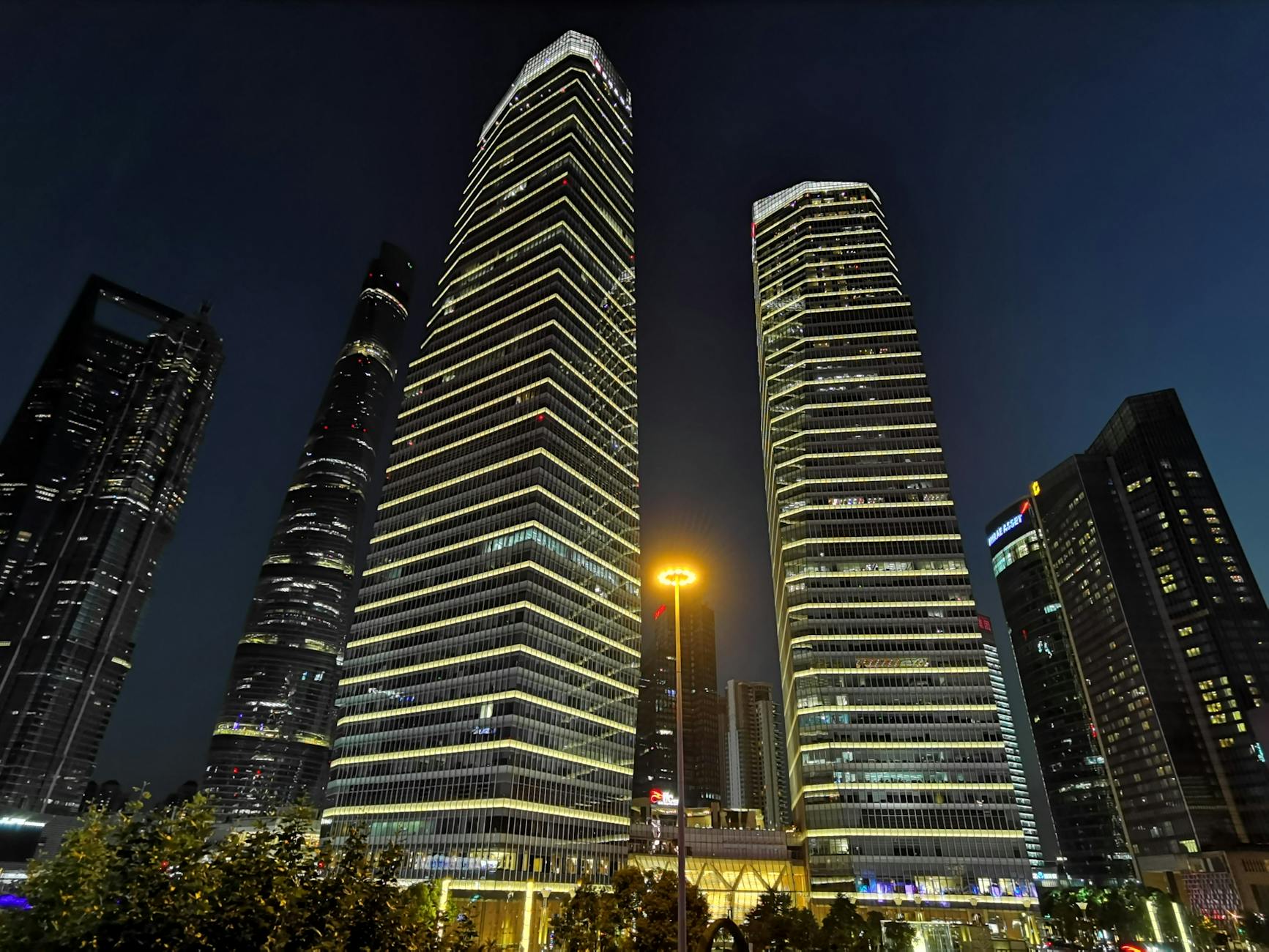
The White Lotus Season 4, filming on the French Riviera, drives demand for linked assets like Provence wine and vintage watches. Asian investors monitor these media-driven cycles, which historically boost prices for destination-linked collectibles.
Why White Lotus Location Cycles Matter to Alternative Asset Investors
When HBO's White Lotus relocated from Hawaii to Sicily for its second season, auction houses recorded a measurable uptick in Italian wine and ceramics enquiries from Asian buyers within six months of broadcast. Now, with Season 4 confirmed to be filming along the French Riviera — with the Cannes Film Festival woven directly into the storyline — sophisticated allocators in Hong Kong, Singapore, and Tokyo are already mapping which asset classes stand to benefit from the show's formidable cultural halo effect. This is not lifestyle speculation; it is pattern recognition applied to a repeatable media-driven demand cycle that has produced verifiable secondary-market price movements across wine, watches, and luxury collectibles.
The numbers from prior seasons are instructive. Following Season 2's Sicily setting, Sicilian DOC wine exports to Asia rose approximately 18% year-on-year according to Italian trade body Federvini, while Christie's Hong Kong reported a 23% increase in Mediterranean-provenance lots in its 2023 wine auctions. The mechanism is straightforward: the show's affluent, globally mobile viewership — estimated at over 12 million households per episode in its second season — converts aspirational geography into tangible purchasing intent, and Asian high-net-worth individuals are disproportionately represented in that cohort.
What Assets Are Linked to the French Riviera Demand Narrative?
The Cannes storyline opens several specific allocation angles. Provence rosé, already the fastest-growing wine category in Asia-Pacific retail with compound annual growth of roughly 14% between 2019 and 2024 per IWSR data, is the most direct beneficiary. Domaines Ott and Château Miraval — the latter partly owned by Brad Pitt and already a fixture in Hong Kong restaurant wine lists — have seen secondary-market bottle prices appreciate 30–40% over the same five-year period, with Asian buyers now accounting for an estimated 22% of Miraval's global export volume.
Beyond wine, the Riviera setting has implications for vintage watch demand. The Monaco Grand Prix and Cannes Film Festival are historically the two events most closely associated with reference pieces from Patek Philippe, Rolex, and Cartier in auction catalogues. Christie's and Phillips both hold major Geneva watch sales in May, timed to coincide with Cannes, and Asian collectors — particularly from mainland China, Hong Kong, and Singapore — represented 38% of all watch lots sold by value at Phillips Geneva in 2023. A high-profile television narrative anchored in Cannes is likely to reinforce demand for period-correct references from the 1960s and 1970s, the era most visually referenced in White Lotus's aesthetic.
How Scottish Whisky Casks Fit the Broader Alternative Allocation Picture
While the Riviera connection is most direct for wine and watches, the broader White Lotus effect — driving global appetite for premium, scarce, experiential assets — is a tailwind for the whisky cask market as well. The Knight Frank Luxury Investment Index recorded whisky as the top-performing passion asset over the decade to 2023, with a 280% appreciation in rare bottle values. Cask-level investment, which allows investors to acquire maturing spirit before bottling, has attracted growing interest from Singapore and Hong Kong family offices seeking uncorrelated, tangible returns with a 5–15 year horizon.
Singapore-based Whisky Cask Club has reported a 40% increase in enquiries from Asian investors over the past 18 months, with first-time allocators typically entering at the SGD 10,000–50,000 cask level. The asset class benefits from genuine scarcity — Scotch whisky must mature in oak for a minimum of three years, and premium single malt casks from distilleries such as Macallan, Springbank, and Glenfarclas are finite in supply. For a family office already holding wine and watches, a whisky cask allocation provides complementary illiquidity premium and a different demand driver: global spirits consumption growth, not media cycles.
Frequently Asked Questions
Does a TV show really move alternative asset prices?
Yes, with documented precedent. Following White Lotus Season 2, multiple auction houses and trade bodies recorded measurable increases in Mediterranean wine and ceramics demand from Asian buyers. The effect is most pronounced in categories with genuine scarcity, where incremental demand from a newly aspirational audience cannot be met by expanded supply.
Which specific assets are most exposed to the White Lotus Season 4 Cannes narrative?
Provence rosé wine, particularly from Domaines Ott and Château Miraval, is the most direct play. Vintage watches associated with the Cannes and Monaco calendar — Rolex Daytonas, Patek Philippe Nautilus references, and Cartier Santos pieces from the 1960s–1980s — are a secondary angle. French Riviera art, particularly post-war works exhibited at the Cannes Palais des Festivals, may also see incremental auction interest.
How do Asian family offices typically access whisky cask investment?
Most Asian family offices access whisky casks through specialist brokers or investment platforms based in Singapore or the UK. Minimum entry points vary from SGD 8,000 for younger casks to SGD 100,000-plus for aged, premium-distillery stock. The investment is held in a bonded warehouse in Scotland, with the investor holding a certificate of ownership and the option to bottle or sell the cask on maturity.
What is the typical holding period and exit route for a whisky cask?
Most investors hold casks for between five and fifteen years, allowing the spirit to mature and appreciate in both quality and scarcity value. Exit routes include private sale to a collector or blender, sale back through the originating broker, or bottling and sale through auction. Christie's, Bonhams, and Whisky Auctioneer all accept private cask consignments from verified owners.
Is the Provence wine market accessible to Asian investors at scale?
Yes, though entry points vary significantly. Investment-grade Provence rosé — primarily from Miraval and Domaines Ott — is available through Liv-ex-registered merchants and at auction via Christie's and Sotheby's Hong Kong. Case values for top-tier Provence rosé currently range from HKD 3,000 to HKD 18,000 depending on vintage and producer, with the 2019 and 2020 Miraval vintages attracting the strongest secondary-market premiums.
💼 Exploring alternative asset allocation? Speak to Whisky Cask Club — Singapore's leading specialists in Scottish whisky cask investment.