TL;DR
The article highlights five key destinations on the Turkish Riviera as prime investment hubs for Asia-Pacific family offices. It details luxury hotels and real estate assets offering strong yields, driven by tourism growth and property appreciation.
Turkish Riviera Real Estate and Hospitality Assets Draw Asia-Pacific Family Office Attention
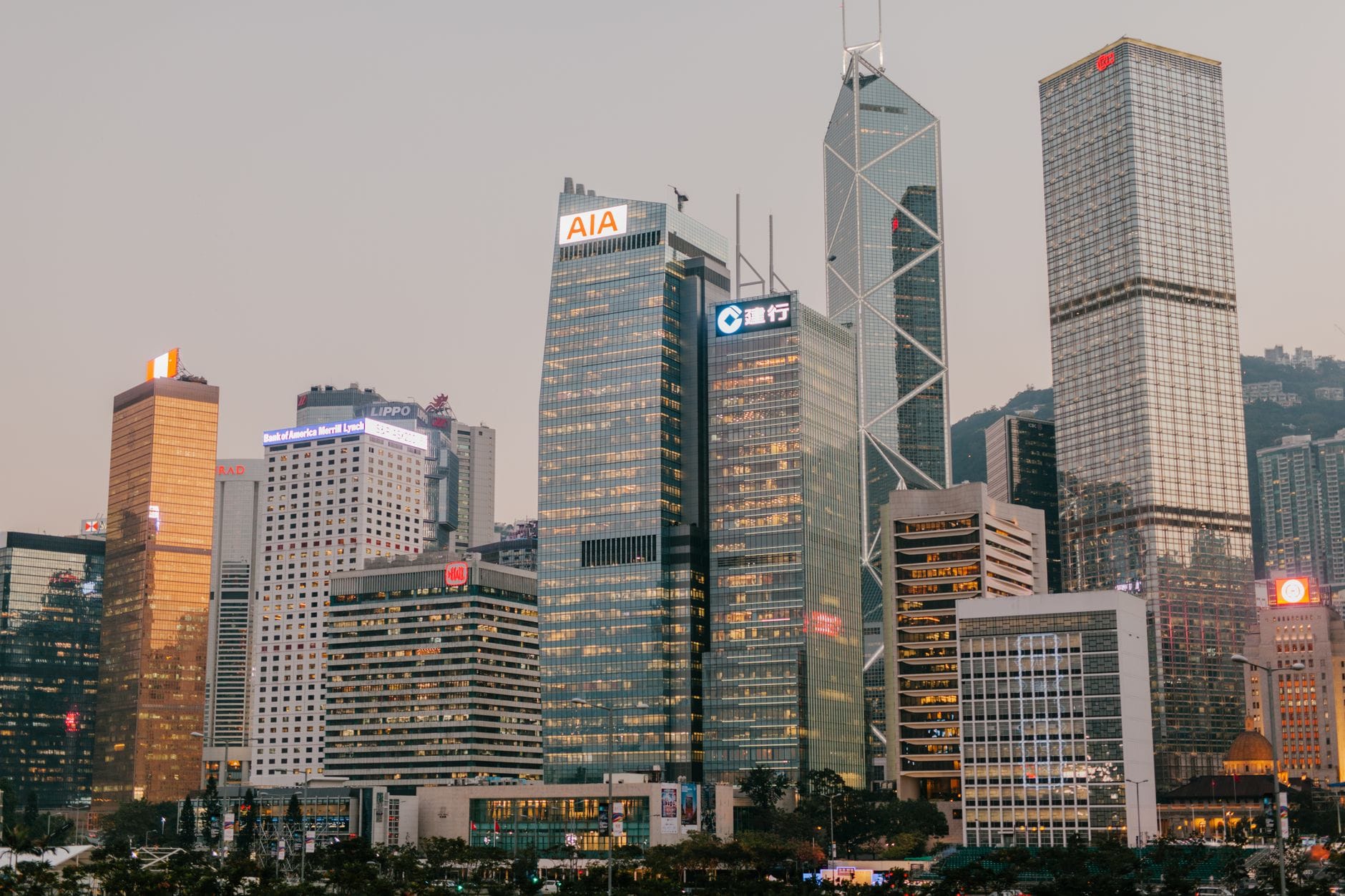
Luxury hospitality real estate along Turkey's Aegean and Mediterranean coastline is quietly emerging as a credible alternative asset class for Asian family offices seeking yield diversification beyond traditional equity and fixed-income portfolios. According to Knight Frank's 2024 Wealth Report, Turkish prime coastal property appreciated by approximately 48% in US dollar terms over the three-year period ending December 2023 — outperforming comparable assets in Greece and Croatia. For Singapore- and Hong Kong-based private banks now actively building out real assets allocations, the Turkish Riviera represents an underexplored corridor with meaningful upside, particularly as inbound tourism from Gulf Cooperation Council nations and East Asia continues to accelerate. The region recorded 56.7 million international arrivals in 2023, a figure Turkey's Ministry of Culture and Tourism expects to surpass 65 million by 2026.
Five Anchor Destinations and the Hotel Assets Behind Them
Bodrum remains the flagship market, commanding the highest per-square-metre values on the peninsula. The Mandarin Oriental Bodrum — part of a managed hospitality asset structure attractive to institutional co-investors — sits within the Paradise Bay resort complex and has seen average daily rates climb to approximately €1,200 during peak season, with occupancy above 85% in July and August 2023. Buyers acquiring branded residences within the complex benefit from a hotel-managed rental programme that has historically returned between 4% and 6% net annually to owners, a figure that compares favourably with Singapore Grade-A office yields currently sitting near 3.8%.
Kalkan, a smaller cliff-side town southeast of Fethiye, is gaining traction among ultra-high-net-worth buyers from the UAE and increasingly from South Korea and Japan. Villa transactions in Kalkan averaged €1.8 million in 2023, up from €1.1 million in 2021, representing 64% appreciation in just two years. The boutique Aubergine Hotel and its sister private villa portfolio have attracted structured co-ownership interest, with units priced between €600,000 and €2.4 million and managed rental yields quoted at 5.2% net. For Asian investors accustomed to the compressed yields of Tokyo or Sydney residential property, these figures merit serious due diligence.
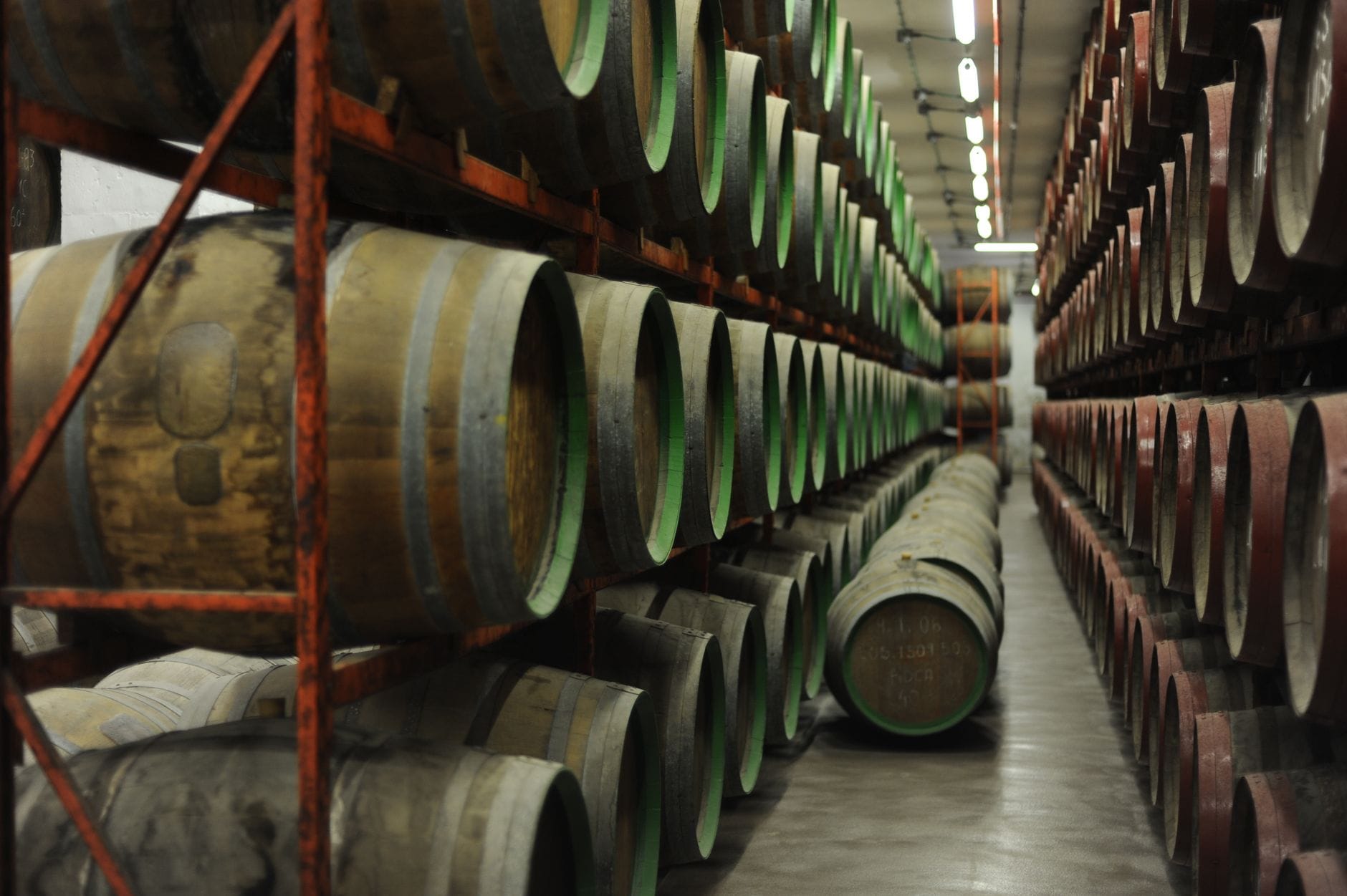
Göcek, a protected marina town with strict development controls, offers genuine scarcity value — a concept Asian collectors and investors understand well from whisky cask and fine wine markets. No new large-scale hotel construction is permitted under Turkish coastal protection legislation, meaning existing hospitality inventory is finite. The D-Hotel Maris and the Six Senses Kaplankaya — the latter located near Bodrum — both operate under international brand management structures that allow fractional ownership participation, with entry points from approximately €400,000 for a branded residence unit. Six Senses Kaplankaya reported a 22% revenue-per-available-room increase in 2023, reflecting the broader demand surge along this coastline.
Ölüdeniz, home to the famous Blue Lagoon, and Antalya's Belek corridor round out the five key destinations. Belek in particular functions as a golf and wellness resort hub, with facilities operated by Regnum Carya and Maxx Royal attracting MICE and high-spending leisure travellers from Russia, Germany, and increasingly from China following the resumption of direct flights from Beijing and Shanghai in late 2023. Average hotel transaction values in Belek reached €85 million for full-asset sales in 2023, with cap rates compressing from 7.5% to approximately 6.1% as international buyer competition intensified.
Asia-Pacific Allocation Thesis and Forward Outlook
For Asian family offices building diversified real assets books, the Turkish Riviera presents a compelling combination of scarcity, yield, and brand-managed liquidity that mirrors the investment logic applied to Scotch whisky casks or blue-chip fine wine. The Turkish lira's structural weakness has paradoxically benefited hard-currency buyers, allowing euro- and dollar-denominated acquisition costs to remain competitive even as underlying asset values in local terms have surged. Singapore-based advisers at several tier-one private banks are understood to be actively preparing Turkish hospitality real estate memoranda for family office clients in Q3 2025. With direct flight connectivity from Singapore, Hong Kong, Tokyo, and Seoul improving materially, the experiential component of ownership — always a factor for Asian UHNW buyers — is increasingly viable. Investors who moved early into Santorini and Mykonos hotel assets in 2017 and 2018 saw exit multiples of 2.1x to 2.8x by 2023; the Turkish Riviera, at an earlier stage of institutional discovery, may offer a comparable trajectory for patient capital with a five-to-seven-year horizon.
💼 Exploring alternative asset allocation? Speak to Whisky Cask Club — Singapore's leading specialists in Scottish whisky cask investment.