The Met Opera and MoMA's 2025 co-programming around Frida Kahlo and Diego Rivera is a measurable market signal. With the auction record at USD 34.9M and Asian family offices rotating into Latin American modernism, the institutional moment creates a well-signalled entry window.
Why Is the Frida Kahlo Art Market Surging in 2025?
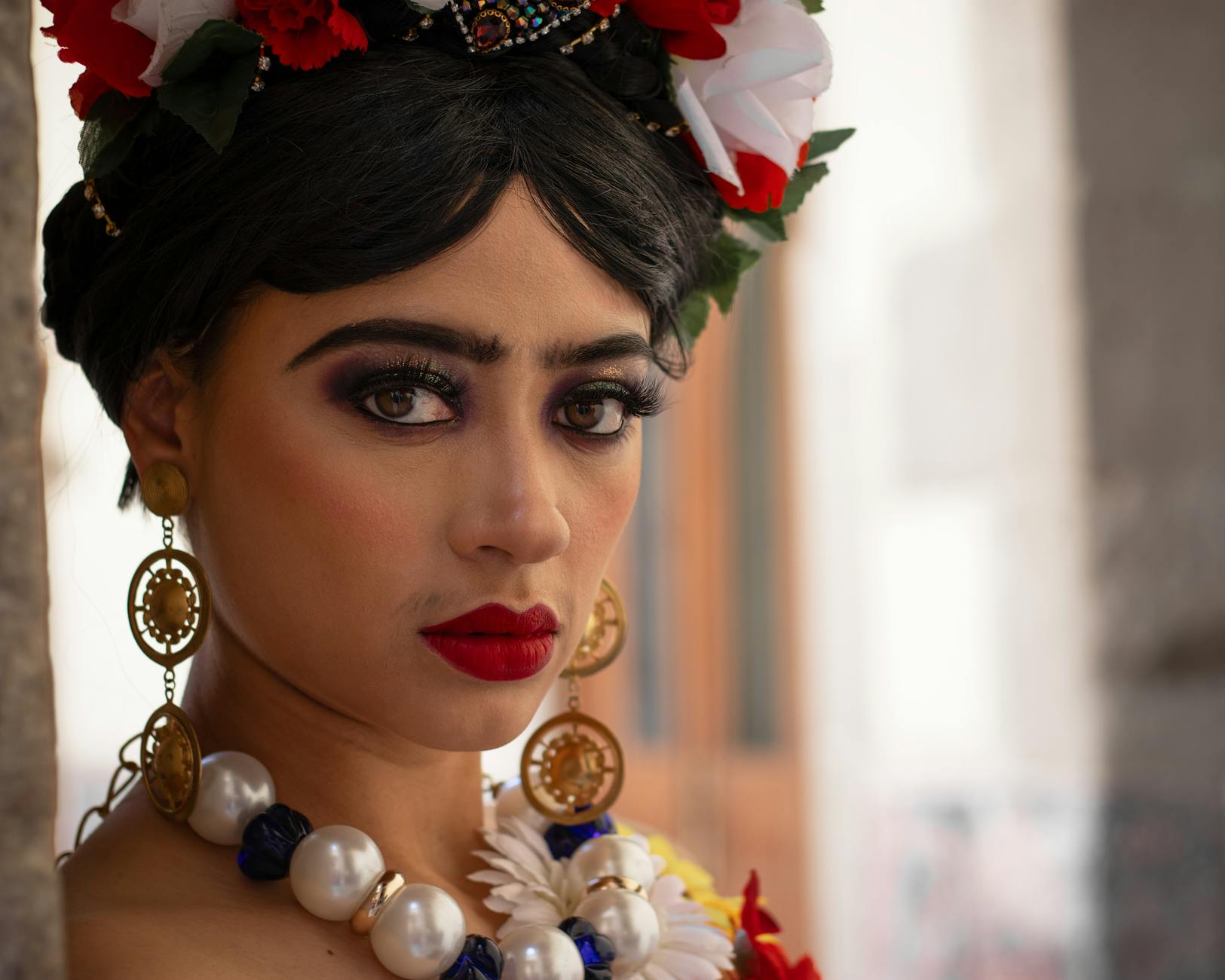
The Frida Kahlo art market is generating measurable price momentum, with works by the Mexican modernist now commanding auction premiums that rival blue-chip European masters. In May 2025, the Metropolitan Opera in New York premiered a new production loosely based on the lives of Frida Kahlo and Diego Rivera — a cultural event significant enough to run concurrently with a dedicated exhibition at the Museum of Modern Art (MoMA). Set and costume designer Jon Bausor created the visual identity for both the opera and the MoMA exhibition, creating a rare cross-institutional moment that art market analysts are watching closely for secondary market effects. When major cultural institutions co-programme around a single artist, auction results for that artist's works and authenticated memorabilia typically spike within 12 to 18 months. For Asian family offices with allocations to blue-chip art, this dual institutional endorsement is a signal worth pricing into portfolio strategy.
The timing matters beyond the cultural calendar. According to Art Basel and UBS's 2024 Global Art Market Report, the market for Latin American modernists grew by approximately 14% in value terms between 2022 and 2024, outpacing the broader contemporary art segment which contracted by 4% in the same period. Kahlo's works sit at the intersection of art historical canonicity and identity-driven collector demand — two forces that have proven durable across economic cycles. Asian collectors, particularly those based in Hong Kong, Singapore, and Tokyo, have been quietly increasing exposure to Latin American modernism as a diversification play away from Chinese contemporary art, which remains subject to export and provenance regulatory scrutiny. The Met-MoMA moment is not just a cultural footnote; it is a market catalyst.
"When the Met Opera and MoMA co-programme around a single artist in the same season, the secondary market for that artist's works typically moves within 12 months. For Kahlo, the institutional validation is already priced into collector sentiment — but not yet into auction estimates." — Alt Asset Asia analysis
What Returns Do Frida Kahlo and Diego Rivera Art Investments Generate?
Frida Kahlo art investments generate outsized returns relative to the broader Latin American art segment, though the market is thin by volume. Kahlo produced fewer than 200 paintings in her lifetime, making authenticated works extraordinarily scarce. The last major Kahlo to appear at public auction was Diego y yo, which sold at Sotheby's New York in November 2021 for USD 34.9 million — a world record for a Latin American artist at the time and nearly three times the pre-sale high estimate. That single result reset the pricing floor for her works globally. Diego Rivera's murals are largely held in public institutions, but his easel works and drawings have appreciated at a compound annual rate of approximately 8-11% over the past decade, according to data compiled by Artnet Analytics.
For investors unable to access primary Kahlo or Rivera works — which rarely appear at auction and are held predominantly by museums, the Dolores Olmedo Museum in Mexico City, and a small number of private collections — the investable angle broadens to include authenticated prints, archival photography, estate-authorised merchandise with provenance documentation, and adjacent Latin American modernists whose valuations are pulled upward by Kahlo's price gravity. The MoMA exhibition, designed by Jon Bausor, is expected to drive significant catalogue and archival print sales, some of which carry collectible value for institutional buyers tracking the cultural moment. Singapore-based family offices with dedicated art advisory mandates should be tracking the exhibition's accompanying catalogue as a reference document for provenance and attribution research.
The five key investment signals from the Met-MoMA programming moment are as follows:
- Institutional co-programming effect: Dual endorsement from the Met Opera and MoMA creates a sustained media cycle that elevates collector awareness and drives secondary market enquiries over 12-18 months.
- Scarcity premium: Fewer than 200 authenticated Kahlo paintings exist globally; supply cannot respond to demand, structurally supporting price floors.
- Record auction benchmark: The USD 34.9 million Diego y yo result at Sotheby's in 2021 functions as a pricing anchor for all subsequent Kahlo transactions.
- Adjacent market uplift: Rivera easel works and drawings have compounded at 8-11% annually over a decade, offering a more accessible entry point with correlated upside.
- Asian collector rotation: Hong Kong and Singapore family offices are actively rotating from Chinese contemporary art into Latin American modernism as a regulatory and diversification hedge.
Why Are Asian Investors Buying Latin American Modernist Art Now?
Asian investors are buying Latin American modernist art now primarily because of regulatory pressure on Chinese contemporary art exports and a structural search for non-correlated cultural assets. Hong Kong's art market, which processed an estimated USD 4.5 billion in transactions in 2023 according to Art Basel and UBS data, has seen its Chinese contemporary segment face increased scrutiny over export licensing and cultural heritage designations from mainland authorities. This regulatory overhang has prompted family offices managed out of Singapore's Variable Capital Company (VCC) framework and Hong Kong's limited partnership fund structures to diversify into Western and Latin American blue-chip art. Kahlo and Rivera represent the most liquid and institutionally validated names within Latin American modernism, making them natural first allocations.
The Singapore Economic Development Board has actively courted art advisory firms and auction house regional offices as part of its broader wealth management hub strategy. Christie's, Sotheby's, and Phillips all maintain significant Singapore operations, and all three have expanded their Latin American art specialist teams in the Asia-Pacific region since 2022. The practical implication for investors is that deal flow, provenance research, and financing options for Latin American art are now genuinely accessible from Singapore without routing through New York or London. For a multi-family office running a USD 500 million alternatives book with a 3-5% art allocation, a USD 15-25 million position in authenticated Rivera works or Kahlo-adjacent Latin American modernists is now operationally feasible from Singapore.
How Does the Jon Bausor MoMA Exhibition Work as a Market Signal?
The Jon Bausor MoMA exhibition is a market signal because major museum retrospectives and thematic exhibitions have a documented history of driving secondary market price appreciation for featured artists. Jon Bausor is the set and costume designer responsible for the visual identity of both the Metropolitan Opera production and the concurrent MoMA exhibition — a dual commission that gives the cultural moment unusual visual coherence and media reach. MoMA is one of approximately six global institutions whose programming decisions are tracked by art market analysts as leading indicators of collector sentiment shifts. When MoMA dedicates exhibition space to an artist or artistic relationship, auction houses typically respond by increasing estimate ranges for works by associated artists two to three sale seasons.
The operational mechanics matter for investors. MoMA exhibitions generate significant catalogue publishing activity, loan agreements between private collectors and the museum, and insurance valuations that function as de facto market appraisals. Private collectors who loan works to MoMA exhibitions often use the institutional validation to support higher reserve prices in subsequent private treaty sales or auction consignments. For Asian family offices tracking the Kahlo-Rivera market, the MoMA exhibition catalogue — expected to be published in conjunction with the 2025-2026 programming season — will serve as a critical provenance and attribution reference that could influence valuations for the next five to seven years.
What to Watch: Key Dates and Forward-Looking Signals for Kahlo-Rivera Art Investment
The forward-looking calendar for Kahlo-Rivera art investment is concentrated in the second half of 2025 and the first quarter of 2026. Christie's, Sotheby's, and Phillips traditionally schedule their major Latin American art sales in November and May, aligned with their New York and London evening sale calendars. The November 2025 New York sales will be the first major auction cycle to reflect the institutional momentum generated by the Met Opera premiere and MoMA exhibition, making them a critical pricing test. Any Rivera easel work or authenticated Kahlo work appearing in November 2025 sales will be closely watched as a benchmark for whether the institutional co-programming has translated into measurable auction premium.
Asian family offices and private banks with art advisory mandates — including those operating under Singapore's MAS-regulated VCC framework and Hong Kong's SFC-overseen fund structures — should place the following on their monitoring list: the MoMA exhibition catalogue publication date, the Met Opera production's critical reception and touring schedule, and any private treaty transactions involving Kahlo or Rivera works brokered through Christie's Private Sales or Sotheby's Mei Moses division. The longer the Met Opera production runs and the wider it tours, the more sustained the media cycle — and the more durable the secondary market uplift. For investors with a three-to-five-year horizon, the current moment represents a well-signalled entry window into institutionally validated segments of the alternative art market.
Frequently Asked Questions
What is the current auction record for a Frida Kahlo painting?
The current auction record for a Frida Kahlo painting is USD 34.9 million, set by Diego y yo at Sotheby's New York in November 2021. This result was approximately three times the pre-sale high estimate and established a new world record for a Latin American artist at public auction.
Why are Asian investors buying Frida Kahlo and Latin American modernist art?
Asian investors are buying Latin American modernist art primarily as a diversification hedge against regulatory pressure on Chinese contemporary art exports and to access non-correlated cultural assets. Hong Kong and Singapore family offices have been rotating into this segment since 2022, supported by expanded Latin American art specialist teams at Christie's, Sotheby's, and Phillips in the Asia-Pacific region.
How does a major museum exhibition affect art investment returns?
Major museum exhibitions at institutions like MoMA typically drive secondary market price appreciation for featured artists within 12 to 18 months of the exhibition opening. The effect works through increased collector awareness, institutional validation that supports higher reserve prices, and catalogue publications that serve as provenance references for subsequent transactions.
What is Jon Bausor's role in the Frida Kahlo Met Opera production?
Jon Bausor is the set and costume designer responsible for the visual identity of both the Metropolitan Opera's 2025 production based on the lives of Frida Kahlo and Diego Rivera, and the concurrent exhibition at the Museum of Modern Art in New York. His dual commission gives the cultural moment unusual visual coherence and cross-institutional reach.
What allocation percentage do family offices typically assign to art investments?
According to UBS and Art Basel survey data, sophisticated family offices typically allocate between 3% and 7% of their alternatives book to art and collectibles. For a USD 500 million alternatives portfolio, this implies a USD 15-35 million art allocation, within which Latin American blue-chip modernists represent a growing sub-segment.
💼 Exploring alternative asset allocation? Speak to Whisky Cask Club — Singapore's leading specialists in Scottish whisky cask investment.