
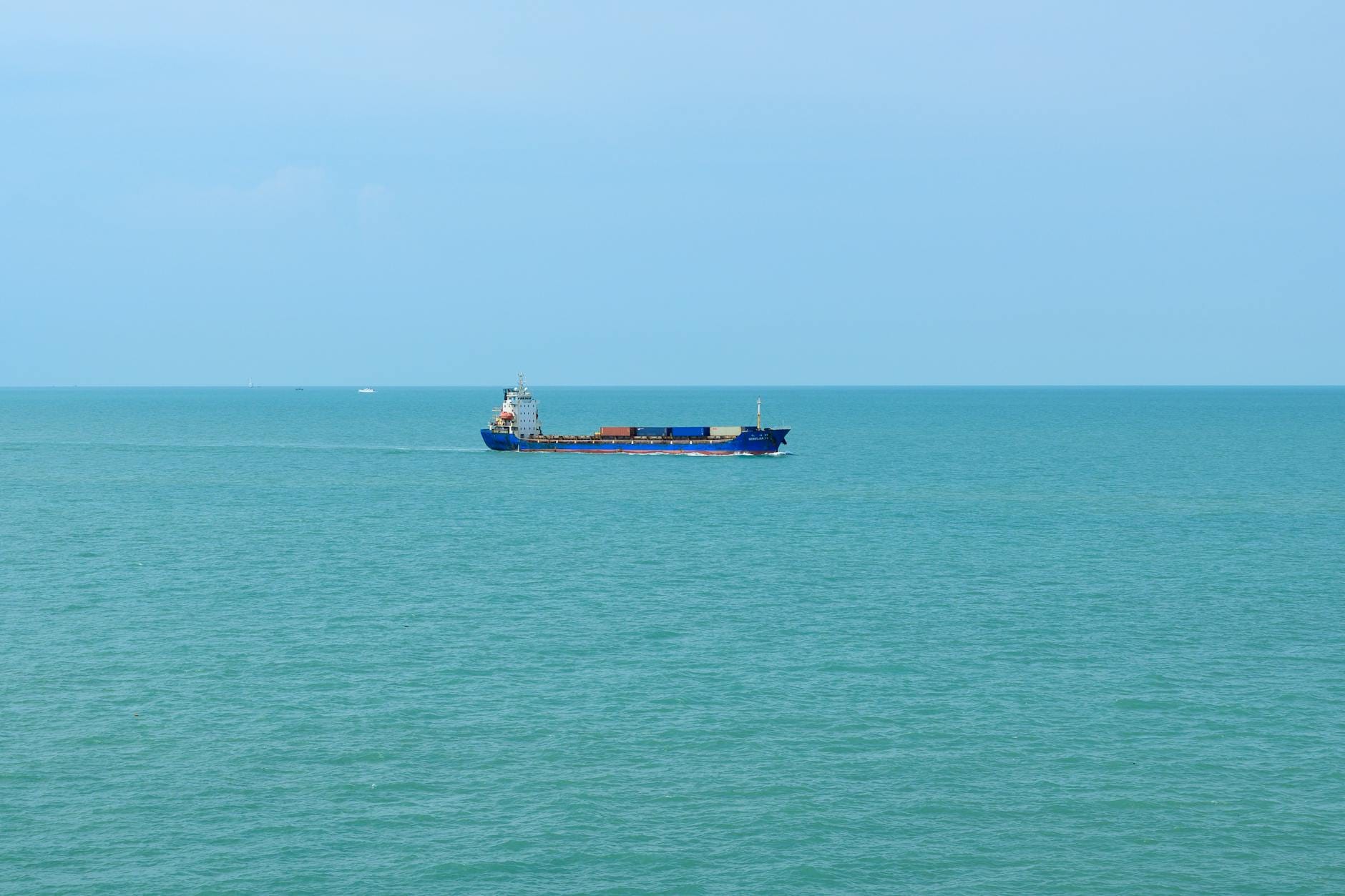
The global shipping sector is experiencing a period of intense structural shift, driven by a confluence of geopolitical tension, localized congestion, and evolving economic policies. For alternative asset investors, tracking these maritime dynamics is no longer a niche exercise but a fundamental requirement for assessing the health of cross-border trade. At the center of this transformation are several key variables: the Baltic Dry Index (BDI), systemic choke points like the Malacca Strait, fluctuating Singapore bunker prices, and the trade finance models that grease the wheels of global logistics. In particular, sectors like Malaysia and Indonesia's palm oil logistics are feeling the immediate heat of these logistical headwinds.
The Baltic Dry Index, which measures the cost of shipping bulk commodities worldwide, has seen elevated volatility over the last several quarters. This index is a highly sensitive bellwether of global manufacturing and industrial demand. When dry bulk carriers face delays or route diversions, the BDI surges, instantly driving up the cost of transporting iron ore, coal, and agricultural commodities. For Asian economies, which rely heavily on these raw inputs, any upward movement in the BDI increases input inflation. Investors who back shipping and trade-related alternative assets must watch these trends closely, as dry bulk capacity constraints directly impact charter rates and vessel valuations.
Concurrently, the Malacca Strait remains one of the world's most critical and vulnerable maritime bottlenecks. Facilitating the transit of more than 80,000 vessels annually, this narrow corridor handles roughly a quarter of all sea-borne trade. Over the past year, increased traffic density and localized security protocols have led to severe congestion in and around the strait. This congestion has a direct cascading effect on vessel scheduling and fuel consumption. Ships forced to idle or take longer alternative routes consume more bunker fuel, which in turn spikes Singapore bunker prices. As the world's premier bunkering hub, Singapore’s fuel pricing is a primary operating cost for shipowners, and any localized spike instantly squeezes maritime operating margins.
These physical disruptions in the Malacca Strait quickly translate into financial challenges in the trade finance sector. Trade finance is the lifeblood of commodity flows, providing the liquidity, letters of credit, and payment guarantees necessary for cross-border transactions. When vessels are delayed, the capital tied up in the underlying cargo is frozen for longer periods. This increases transaction risk and raises borrowing costs for trading houses. Finance providers in regional hubs like Singapore and Hong Kong are recalibrating their risk models, demanding higher collateral or pricing in larger margins to offset the extended transit times. For alternative credit investors, this environment creates a highly lucrative opportunity to provide bridge financing and specialized trade liquidity to mid-market trading firms that are squeezed by traditional banks.
A prime example of these compounding challenges is found in regional agricultural supply chains, specifically palm oil logistics in Malaysia and Indonesia. As the world’s top producers of palm oil, these countries rely on seamless logistics to export millions of tons of oil to markets in India, China, and Europe. However, port delays and shortages of specialized parcel tankers have severely hampered shipments. Congestion in the Malacca Strait delays the turnaround times of these tankers, leaving storage tanks at local refineries full and forcing producers to slow down harvesting. Consequently, the cost of securing bulk shipping space for palm oil has risen dramatically, squeezing the margins of agribusinesses and shifting the pricing dynamics of global vegetable oils.
In conclusion, the modern shipping landscape requires a holistic understanding of how physical bottlenecks, commodity indices, and financial systems interact. The volatility of the Baltic Dry Index and the persistent congestion in the Malacca Strait are not merely logistical problems; they are financial catalysts that drive up bunker costs, strain trade finance liquidity, and disrupt critical commodities like palm oil. For alternative asset investors, these inefficiencies are fertile ground for capital deployment. By financing logistics infrastructure, providing private trade credit, or backing shipping leasing structures, astute investors can capture substantial yield in an era defined by supply chain friction.