A major FEMSA Collection exhibition in Monterrey spotlights Latin American art's alchemical tradition. Works by Varo and de Amaral are supply-constrained and institutionally validated, with 11.4% average annual price appreciation — a credible alternative asset for Asia-Pacific family offices.
Why Latin American Art's Alchemical Turn Is Drawing Institutional Attention
Latin American art is no longer a niche footnote in global auction catalogues. According to Art Basel and UBS's 2023 Art Market Report, Latin American works sold through major auction houses posted average annual price appreciation of 11.4% over the preceding five years — outpacing the broader contemporary art index. A new exhibition at the FEMSA Collection in Monterrey, Mexico, titled to explore the intersection of alchemy and artistic practice, has thrown a fresh spotlight on a lineage of Latin American artists who have drawn on esoteric transformation as both metaphor and method. For investors tracking alternative assets, the timing is instructive: institutional interest in thematic art collections is accelerating, and alchemical-themed works carry a conceptual coherence that appeals to museum acquisition committees and high-net-worth private collectors alike.
The exhibition traces a thread from the Surrealist-inflected canvases of Remedios Varo — a Spanish-born artist who spent her most productive years in Mexico City — through to the monumental textile sculptures of Colombian artist Olga de Amaral. Both artists treated their studios as laboratories, experimenting with material transformation in ways that mapped directly onto alchemical philosophy: the conversion of base matter into something luminous, meaningful, and irreducible. Varo's works have sold at Christie's Latin America auctions for figures exceeding USD 3.5 million, while de Amaral's gold-leaf-encrusted fiber works have entered the permanent collections of the Metropolitan Museum of Art and the Smithsonian, lending institutional validation that directly supports secondary market pricing.
What Makes Alchemical Latin American Works a Credible Alternative Asset?
The investment thesis for thematically coherent art collections rests on several pillars: scarcity, institutional validation, and cross-market demand. Works by Remedios Varo are genuinely scarce — her total output is estimated at fewer than 200 finished paintings, and the majority are held in Mexican public collections or long-term private hands. This supply constraint, combined with growing museum retrospective activity across Europe and North America, creates the conditions for sustained price appreciation. Olga de Amaral, now in her late eighties, has similarly limited remaining production capacity, and her market has responded accordingly: a 2022 Phillips auction saw one of her large-scale gold weavings achieve USD 1.2 million against a pre-sale estimate of USD 400,000–600,000 — a 100% premium over the high estimate.
Beyond individual artists, the broader category of Latin American modernism and post-Surrealism has attracted increasing attention from sovereign wealth funds and family offices in the Gulf and Southeast Asia. Singapore-based art advisory firms report a measurable uptick in enquiries for Latin American works from clients in Indonesia, Thailand, and Hong Kong, driven partly by the perception that the segment remains underpriced relative to comparable European Surrealism. A Magritte or Ernst of equivalent museum pedigree would command multiples of three to five times the price of a comparably important Varo — a valuation gap that sophisticated collectors are beginning to arbitrage.
How Asia-Pacific Collectors Are Entering the Latin American Art Market
The entry points for Asian buyers into Latin American art have expanded significantly over the past decade. Sotheby's and Christie's have both integrated Latin American lots into their major New York and London sales rather than siloing them into dedicated regional auctions — a structural change that increases visibility among global bidders, including those based in Hong Kong and Singapore. Art fairs such as Art Basel Miami Beach and ZONA MACO in Mexico City have also drawn increasing delegations of Asian collectors and advisors, facilitating direct relationships with galleries representing the estates and living artists in this space.
Family offices in the region with existing allocations to Western contemporary art are particularly well-positioned to add Latin American works as a diversification layer. The correlation between Latin American art price movements and those of the broader contemporary art market is historically low, providing genuine portfolio diversification rather than simply replicating existing exposure. Furthermore, the alchemical and Surrealist tradition carries strong cross-cultural resonance in East and Southeast Asia, where esoteric transformation narratives have deep roots in visual culture — a factor that several Hong Kong-based advisors cite as a meaningful driver of collector engagement.
The FEMSA Collection as a Market Signal
The FEMSA Collection, housed within the broader cultural infrastructure of one of Latin America's largest beverage conglomerates, is not a vanity project. With over 1,200 works spanning five centuries of Mexican and Latin American art, it functions as a de facto national institution and a credible price-setting reference point. When FEMSA curators choose to mount a major thematic exhibition around alchemy — drawing on works from Varo, de Amaral, and several younger practitioners — they are effectively issuing a curatorial endorsement that will be cited in auction catalogues and dealer notes for years. Institutional exhibition history is one of the most reliable predictors of secondary market price movement, and this exhibition is likely to generate renewed critical and commercial attention for the artists featured.
For Asia-Pacific investors building or refining alternative asset allocations, the signal is clear: Latin American art with strong conceptual frameworks and institutional backing represents a compelling entry point ahead of what several advisors are describing as a re-rating cycle. Allocation sizes remain modest — typically 2–5% of a broader alternatives portfolio — but the risk-adjusted return profile, combined with genuine scarcity and growing cross-regional demand, makes the category worth serious analysis.
Frequently Asked Questions
What auction results support the investment case for Latin American art?
Remedios Varo works have achieved over USD 3.5 million at Christie's Latin America auctions. Olga de Amaral's gold-leaf fiber works have sold at 100% premiums over high estimates at Phillips, with one 2022 lot reaching USD 1.2 million. The broader segment posted 11.4% average annual price appreciation over five years per the 2023 Art Basel/UBS Art Market Report.
How does Latin American art fit into an Asia-Pacific alternative asset portfolio?
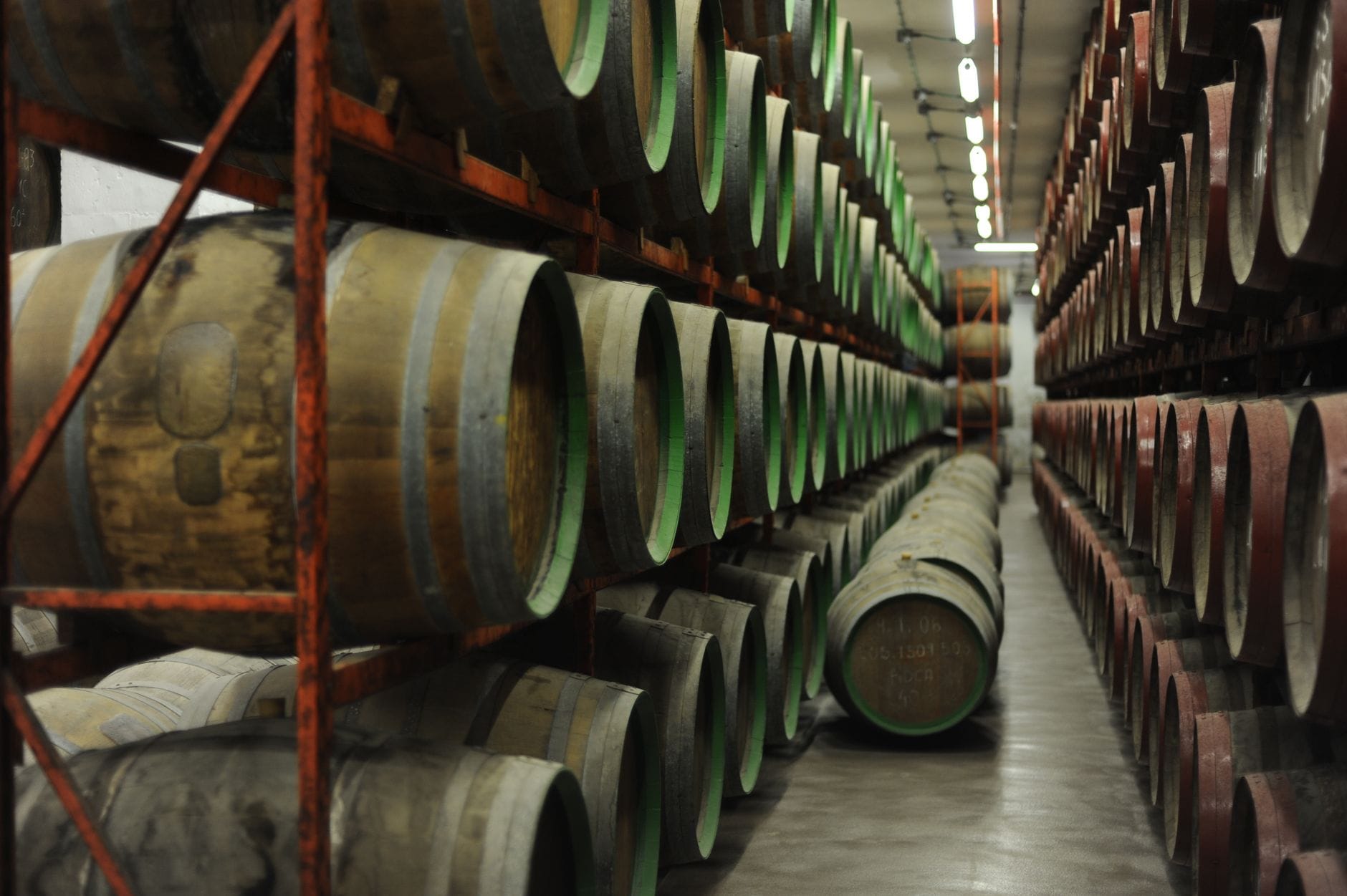
Latin American art has historically low price correlation with the broader contemporary art market, providing genuine diversification. Singapore and Hong Kong-based advisors recommend 2–5% allocations within a broader alternatives sleeve, positioning the segment alongside other hard assets such as wine, whisky casks, and watches.
Why is alchemical-themed Latin American art particularly compelling for collectors?
Alchemical themes provide thematic coherence that appeals to museum acquisition committees, supporting long-term institutional demand. Artists such as Varo and de Amaral are also supply-constrained — Varo's total output is under 200 finished works — which structurally supports price appreciation over time.
Which Latin American artists should Asia-Pacific investors be tracking?
Remedios Varo and Olga de Amaral are the most institutionally validated names in this thematic space. Younger artists featured in the FEMSA exhibition who work within alchemical or transformative material traditions are also worth monitoring, as curatorial endorsement from a collection of FEMSA's scale typically precedes secondary market re-rating.
💼 Exploring alternative asset allocation? Speak to Whisky Cask Club — Singapore's leading specialists in Scottish whisky cask investment.