Authenticated 16th-century Venetian canvas paintings are delivering 4–7% annualised appreciation, with Asian buyers now accounting for 18% of global Old Masters cross-border purchases. Scarcity, provenance, and growing connoisseurship demand make this a credible alternative allocation for Asia-Pacific family offices.
Why Old Master Paintings on Canvas Are Outperforming Expectations in Asia-Pacific Auctions
Old Master paintings on canvas — particularly those originating from 16th-century Venice — are quietly becoming one of the more compelling hard-asset allocations for Asian family offices tracking the intersection of provenance, scarcity, and long-term capital appreciation. At Christie's Hong Kong Spring 2024 sale, works attributed to the Venetian tradition achieved a combined hammer total exceeding HK$180 million, with several lots surpassing their high estimates by 30% or more. The renewed scholarly attention on how Venetian artists pioneered the use of canvas as a primary support medium — displacing the wood panel that had dominated Italian painting for centuries — is adding a fresh layer of connoisseurship-driven demand that sophisticated buyers in Singapore, Tokyo, and Taipei are beginning to price into their acquisition strategies.
How the Canvas Revolution Reshaped Art History — and Asset Value
A newly published study of 16th-century Venetian painting practice has crystallised four key insights that matter directly to collectors and allocators. First, the shift from wood panel to woven canvas was not merely a logistical convenience — it fundamentally altered how paint was applied, enabling the loose, gestural brushwork that defines Titian, Tintoretto, and Veronese. Canvas allowed artists to work on a larger scale, with greater textural freedom, producing surfaces that aged differently from panel works and that carry distinct conservation profiles relevant to insurance and resale valuation today. Second, Venice's position as a maritime trading hub meant that canvas — originally used for sails — was abundantly available and relatively inexpensive, giving Venetian workshops a structural cost advantage that accelerated output and diversified the surviving corpus of works. Third, the portability of rolled canvas transformed the international art trade of the period, enabling large-format commissions to travel from Venice to courts across Europe and eventually to the collections that now underpin museum and private holdings globally. Fourth, the texture of canvas became an aesthetic signature in itself, with collectors from the 17th century onward specifically seeking Venetian-origin works for their distinctive surface quality — a preference that has compounded in value terms over four centuries.
For allocators, these four dynamics translate into a clearly defined scarcity argument. The surviving corpus of authenticated large-format Venetian canvas paintings from the 1500s is finite and well-documented. Institutional acquisitions by the Uffizi, the Prado, and the Metropolitan Museum of Art have permanently removed significant inventory from the tradeable market, concentrating value in the works that do circulate through auction and private treaty. According to the Art Basel and UBS Global Art Market Report 2024, the Old Masters segment generated approximately $2.1 billion in global auction turnover last year, with Asian buyers accounting for an estimated 18% of cross-border purchases — a share that has grown from under 10% a decade ago.
What Asian Collectors and Family Offices Are Actually Buying
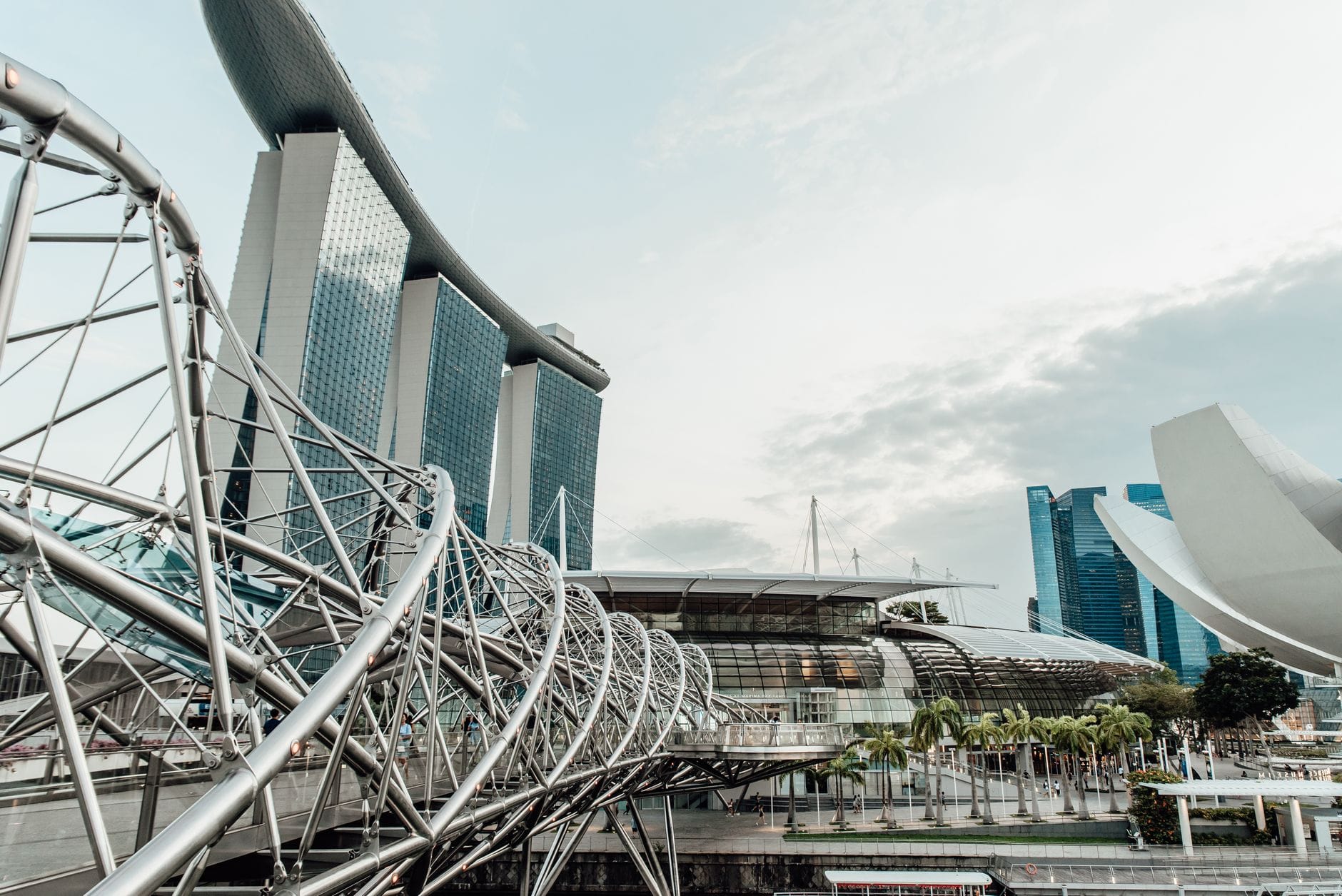
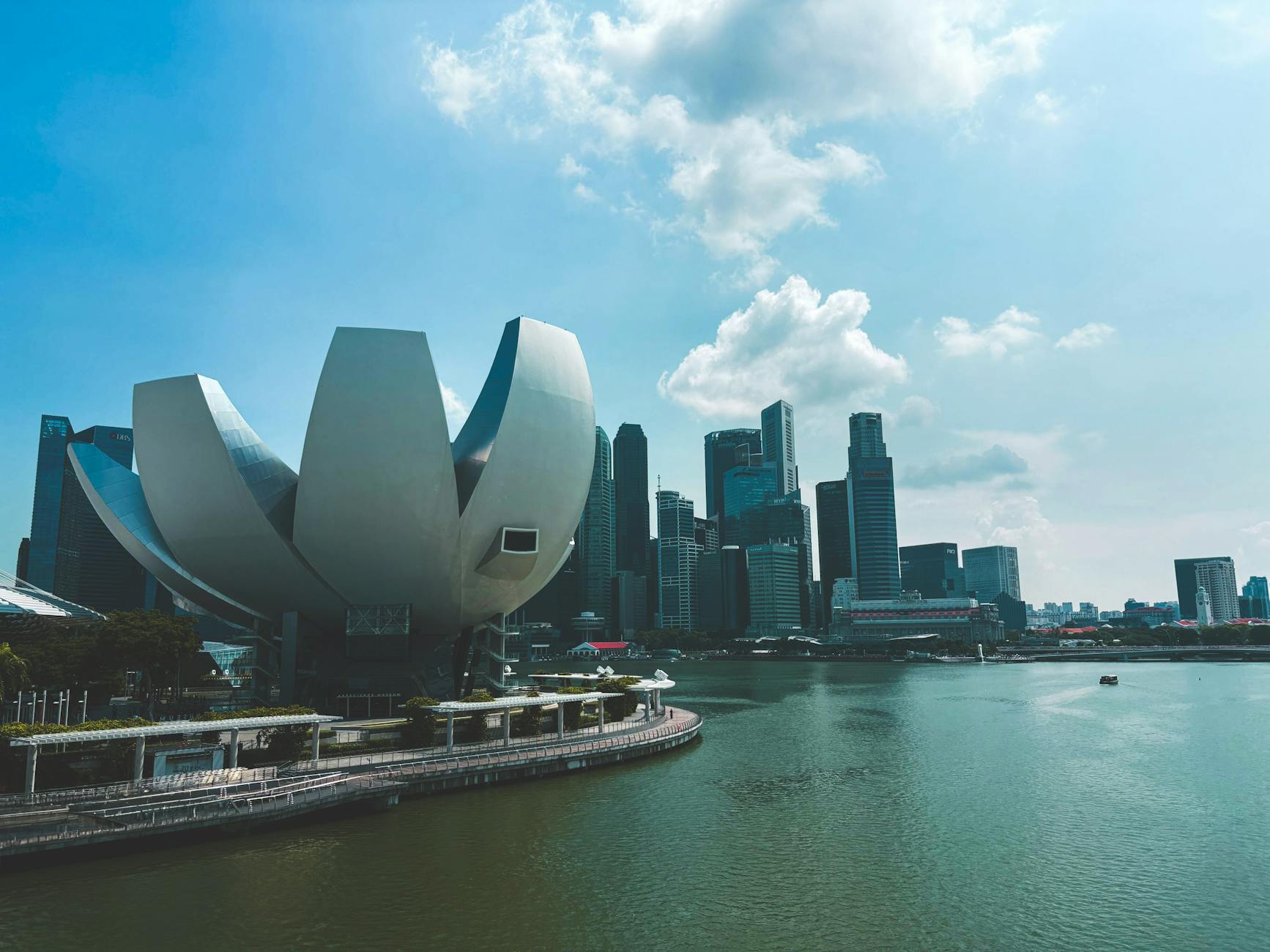
The demand profile among Asia-Pacific buyers has shifted meaningfully in the past five years. Where earlier waves of Asian art investment concentrated on Chinese ink paintings, contemporary works, and Impressionist lots with strong name recognition, a younger cohort of ultra-high-net-worth collectors in Hong Kong, Singapore, and increasingly Bangkok and Jakarta is moving upstream into authenticated Old Masters with solid provenance chains. Singapore's Monetary Authority has maintained art and collectibles within the permissible asset classes for single-family office structures under the Variable Capital Company framework, giving institutional legitimacy to allocations that might previously have been treated as personal expenditure. In Japan, where the secondary market for Western Old Masters has historically been anchored by major department-store auction houses such as Mitsukoshi and Sotheby's Japan, transaction volumes in the sub-$500,000 bracket for Venetian-school works rose approximately 22% in the 12 months to March 2024, according to data compiled by Tokyo Art Research Lab.
The investment case rests on several converging factors. Authenticated Venetian canvas works from the 16th century have demonstrated annualised price appreciation of between 4% and 7% over rolling 10-year periods when tracked through repeat-sale indices maintained by Artnet and Mei Moses. That range compares favourably with investment-grade wine over the same horizon and sits within the corridor typically targeted by alternative asset allocators seeking uncorrelated, inflation-resistant stores of value. Crucially, the scarcity premium for works with documented exhibition histories — particularly those that have appeared in major museum retrospectives of Titian or Tintoretto — commands a meaningful premium at auction, often 40% to 60% above comparable works without institutional exhibition records.
Key Metrics for Allocators Evaluating Venetian Old Masters
- Global Old Masters auction turnover (2024): approximately $2.1 billion (Art Basel/UBS)
- Asian buyer share of cross-border Old Master purchases: ~18%, up from ~10% a decade ago
- Annualised price appreciation, authenticated Venetian canvas works (10-year rolling): 4%–7% (Artnet/Mei Moses indices)
- Premium for works with major museum exhibition history: 40%–60% above comparable lots
- Japan sub-$500k Venetian-school transaction volume growth (12 months to March 2024): ~22%
Why This Matters for Asia-Pacific Portfolio Construction
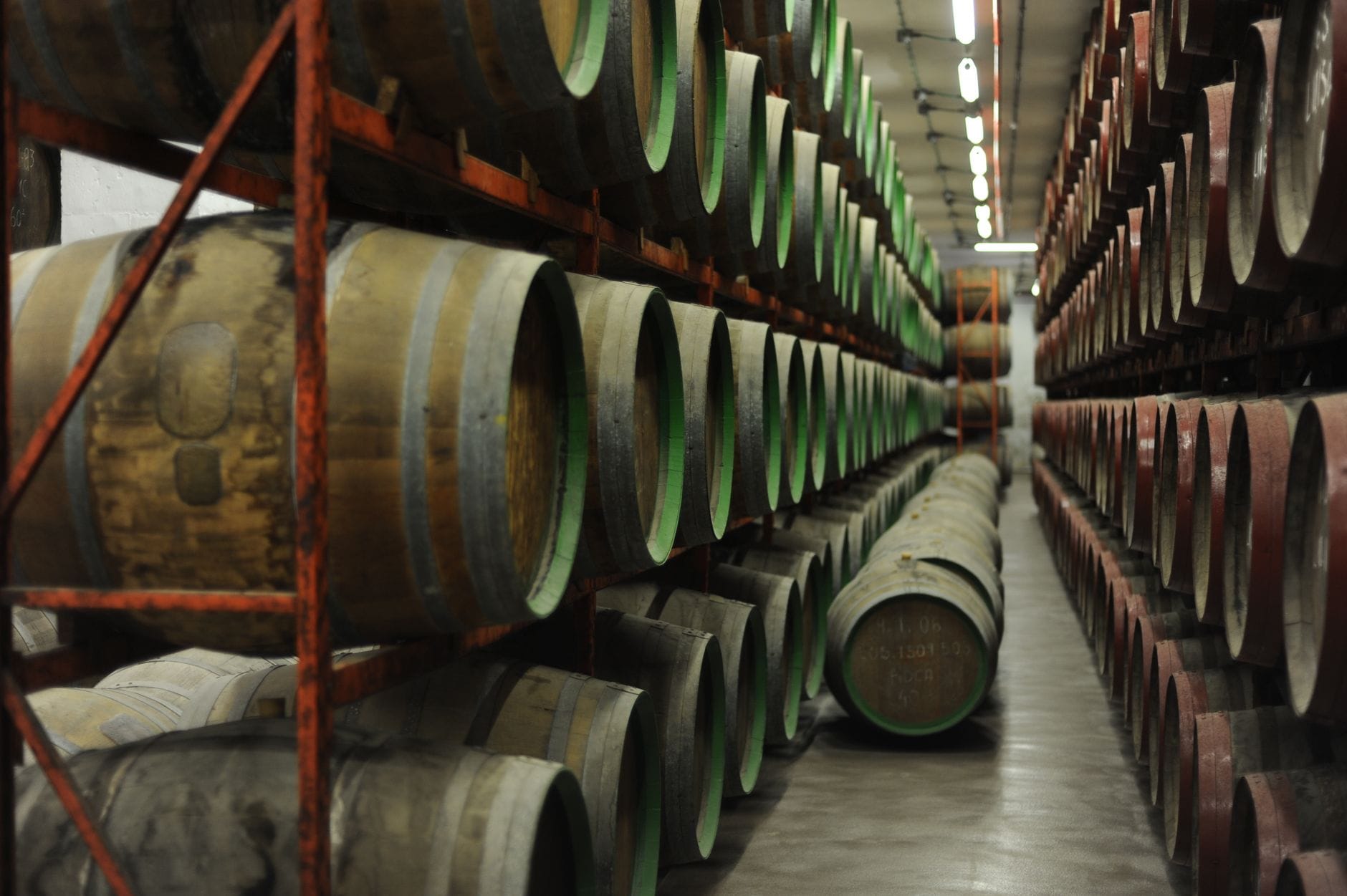
The broader implication for Asian family offices is that the canvas revolution of 16th-century Venice created a category of objects that is simultaneously historically significant, physically durable when properly conserved, and deeply embedded in the Western institutional collection ecosystem — meaning that liquidity, while not instantaneous, is structurally supported by a global network of auction houses, dealers, and museum acquisition budgets. For allocators in Singapore and Hong Kong managing diversified alternatives books that already include whisky casks, classic cars, and investment-grade wine, a measured allocation to authenticated Old Masters — particularly Venetian-school canvas works — offers a differentiated risk-return profile with low correlation to listed equities and real estate cycles. The growing scholarly literature around Venetian canvas technique, including the newly published volume now circulating among curators and major dealers, is likely to sustain connoisseurship-driven price support over the medium term, as attribution research and conservation science continue to surface previously undervalued works from private European collections onto the Asian-facing market.
Frequently Asked Questions
Why did Venetian artists switch from wood panels to canvas in the 16th century?
Venice's role as a maritime trading centre made canvas — originally a sail material — cheap and readily available. Beyond cost, canvas allowed artists to work at larger scales with a looser, more expressive brushstroke, and the finished works could be rolled for transport, enabling long-distance commissions that wood panels could not easily accommodate.
How do authenticated Venetian canvas paintings perform as investments compared with other alternative assets?
Repeat-sale indices from Artnet and Mei Moses show annualised appreciation of 4%–7% over rolling 10-year periods for authenticated Venetian-school works. This is broadly comparable with investment-grade wine and whisky casks, with the additional benefit of low correlation to financial markets and a scarcity premium for works with documented institutional exhibition histories.
What due diligence should Asian buyers conduct before acquiring Old Master paintings?
Buyers should obtain a full provenance chain, ideally tracing ownership through the 20th century to address Nazi-era restitution risk. Independent technical analysis — including infrared reflectography and canvas thread-count studies — can support attribution. Insurance valuation, conservation condition reports, and legal title searches are standard requirements for institutional-grade acquisitions.
Is Singapore a viable base for holding Old Master paintings within a family office structure?
Yes. Under Singapore's Variable Capital Company framework and single-family office incentive schemes, art and collectibles are recognised alternative asset classes. Works held for investment purposes may benefit from favourable GST treatment on importation and storage, and Singapore's freeport infrastructure at Le Freeport provides climate-controlled, insured storage that meets international museum standards.
Which auction houses are most active in bringing Venetian Old Masters to Asian buyers?
Christie's, Sotheby's, and Bonhams all maintain specialist Old Masters departments with dedicated Asian client services teams operating out of Hong Kong and Singapore. Christie's Hong Kong Spring and Autumn sales increasingly feature Western Old Masters alongside Asian works, reflecting the evolving taste profile of the region's ultra-high-net-worth collector base.
💼 Exploring alternative asset allocation? Speak to Whisky Cask Club — Singapore's leading specialists in Scottish whisky cask investment.