Asian family offices invest 8-12% of budgets in luxury events to drive deal flow, build relationships, and create revenue. Exclusive events act as alternative assets, generating high-value transactions and market insights for ultra-high-net-worth individuals.
Why Are Asian Family Offices Investing in Luxury Event Infrastructure?
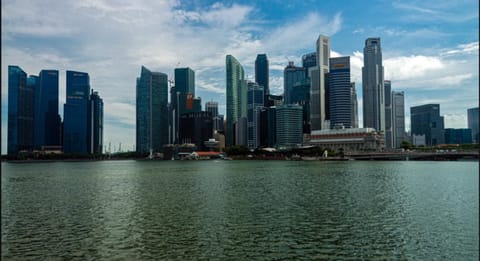
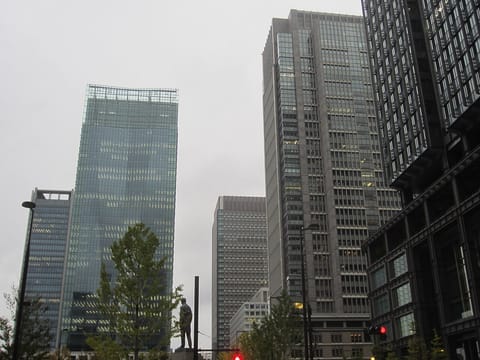
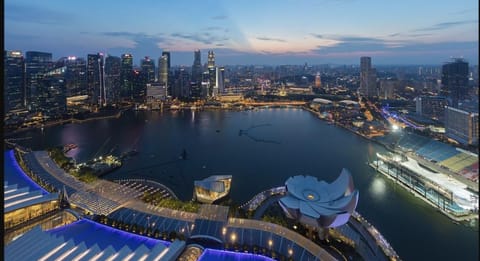
Asian family offices are allocating an estimated 8–12% of discretionary budgets to experiential and event-driven asset strategies, according to 2024 survey data from the Family Office Association of Hong Kong. This figure has doubled since 2019, driven by a structural shift: ultra-high-net-worth (UHNW) families across Singapore, Tokyo, and Bangkok are recognising that exclusive, curated events are not merely social expenditure — they are deal-flow engines, brand equity builders, and, in some configurations, directly monetisable alternative assets. The private event economy in Asia-Pacific is now valued at over USD 4.2 billion annually, with luxury experiences commanding premium margins that rival those of physical collectibles. If you manage capital for a family office, a private bank, or a single-family vehicle in the region, understanding how event strategy intersects with asset allocation is no longer optional.
The relevance for Alt Asset Asia readers is direct: the same networks that move whisky casks, rare watches, and fine art in Asia-Pacific are increasingly activated and maintained through invitation-only events. Relationships forged at a well-executed private tasting or collector dinner routinely unlock secondary-market transactions worth multiples of the event's cost. Singapore's Monetary Authority of Singapore (MAS)-licensed family offices — numbering over 1,100 as of Q1 2024 — are quietly embedding event infrastructure into their operational budgets as a relationship capital strategy. The question is not whether to invest in exclusive events, but how to do it with the rigour and intentionality that produces measurable returns.
What Returns Do Luxury Event Investments Generate for Asian Investors?
Returns from luxury event investment are not always captured on a balance sheet, but they are quantifiable. A single well-structured collector dinner — featuring a curated flight of aged Scotch whisky casks from distilleries such as Springbank or Glenfarclas, paired with secondary-market watch provenance presentations — can generate deal introductions worth USD 500,000 to USD 2 million in subsequent transactions, based on anecdotal reporting from Singapore-based multi-family offices. Springbank is a Campbeltown distillery whose single cask expressions have appreciated an average of 14% per annum over the past decade, according to data from Rare Whisky 101. When such assets are presented in an exclusive event context, bid enthusiasm — and therefore realised prices — demonstrably increases.
Beyond deal-flow, there is a direct revenue model. Exclusive event series structured as membership clubs — think invitation-only quarterly tastings with a fixed seat fee of SGD 3,000 to SGD 8,000 per annum — are generating recurring income for several Singapore-based alternative asset platforms. Data from Knight Frank's 2024 Wealth Report indicates that 72% of UHNW individuals in Asia-Pacific attended at least one invitation-only luxury event in the prior 12 months, underscoring the demand depth. For family offices with a portfolio of physical collectibles, hosting such events also serves a valuation function: live market feedback from informed peers provides real-time price discovery that no index can replicate.
"The most valuable thing a family office can own is not a cask or a painting — it is the room where the right people gather. Exclusive events are the infrastructure of that room." — Senior adviser, Singapore multi-family office (name withheld by request)
How Does Event Curation Work as an Alternative Asset Strategy?
Effective luxury event curation operates on the same principles as portfolio construction: scarcity, provenance, and narrative. Every element of a high-value private event — from the selection of a skilled bartender who can articulate the flavour profile of a 25-year Glenfarclas cask to the choice of a venue such as Capella Singapore on Sentosa Island — contributes to the perceived and actual value of the gathering. The bartender selection alone can shift guest perception of asset quality: a certified whisky specialist who can speak to distillery history, cask type, and secondary-market trajectory adds credibility that a generalist cannot. This is why leading Singapore event consultancies now charge SGD 1,500 to SGD 4,000 per session for specialist mixologist and sommelier talent with verifiable alternative asset knowledge.
Venue selection is equally strategic. The choice of a private dining room at a Michelin-starred restaurant versus a purpose-built collector space signals different things to different guest profiles. For family offices targeting Japanese or Taiwanese collector networks, a venue with demonstrable cultural sensitivity — natural materials, measured acoustics, considered lighting — is a prerequisite, not a preference. The operational checklist for a truly exclusive event includes: guest list curation (typically capped at 12–20 for maximum intimacy), asset provenance documentation available on request, a structured tasting or viewing programme, and a discreet follow-up protocol that respects privacy norms across jurisdictions.
Why Are Asian Investors Buying Into Exclusive Event Memberships and Collector Clubs?
Asian investors are buying into exclusive event memberships because access is the scarcest commodity in alternative asset markets. In 2023, the top 10% of whisky cask transactions by value in Asia-Pacific were conducted entirely off-market, facilitated through private networks rather than public auction platforms, according to industry estimates cited by the Scotch Whisky Association. Membership in a well-curated collector club — whether focused on whisky, wine, watches, or classic automobiles — provides the access layer that transforms a passive investor into an active participant in price-setting and deal-flow. This is not a lifestyle benefit; it is an informational edge with direct financial consequences.
The mechanics are straightforward. Collector clubs structured around physical assets typically offer tiered membership with escalating access rights. A base tier might provide quarterly event attendance and a first-look window on new cask releases; a premium tier might include co-investment rights on single-cask purchases or early access to estate-sale watches before they reach platforms such as Watches of Switzerland or regional auction houses. The annual fee for premium-tier membership in Singapore's most active whisky collector networks ranges from SGD 5,000 to SGD 18,000, a figure that is dwarfed by the transaction value unlocked for active members. For a family office allocating SGD 500,000 to whisky casks annually, the membership cost represents less than 4% of deployed capital — a negligible price for proprietary deal flow.
What Is the Operational Framework for a Successful Exclusive Investor Event?
What is the operational framework for a successful exclusive investor event? It is a structured, repeatable process that treats every logistical decision as a signal to guests about the quality of the underlying assets and the seriousness of the host. The framework begins six to eight weeks before the event date with guest list architecture: identifying the 12–20 individuals whose presence creates the most productive network density. This is not about social prestige — it is about ensuring that every person in the room has either capital to deploy, assets to trade, or knowledge to contribute. Family offices that apply rigorous guest selection criteria report significantly higher post-event transaction rates than those that prioritise headcount.
- Guest list curation: Cap at 12–20; prioritise capital deployers, asset holders, and domain experts in equal measure.
- Asset presentation: Feature two to three physical assets with full provenance documentation — cask certificates, watch service histories, or auction records.
- Specialist talent: Engage a certified whisky specialist, sommelier, or horologist who can answer technical due diligence questions in real time.
- Venue alignment: Select a space that reflects the asset class — a private cellar for wine, a watch atelier for horology, a dedicated tasting room for whisky.
- Follow-up protocol: Within 48 hours, distribute a curated summary of assets presented, with contact details for further enquiry — never a mass email blast.
- Compliance awareness: In Singapore, MAS guidelines on private placement communications apply to any event where investment opportunities are discussed; legal review is advisable before distributing asset information to guests.
- Feedback loop: Collect structured feedback on asset valuations from attendees — this constitutes proprietary price discovery data for the host's portfolio.
What to Watch: Key Trends Shaping Asia-Pacific Luxury Event Investment in 2025
The forward outlook for exclusive event investment in Asia-Pacific is shaped by three converging forces. First, the continued expansion of MAS-licensed family offices in Singapore — projected to reach 1,500 by end-2025 — will intensify demand for high-quality private networking infrastructure. Second, the maturation of Japan's alternative asset market, accelerated by the Financial Services Agency of Japan (FSA)'s updated guidelines on alternative investment disclosure, is creating a new cohort of Tokyo-based family offices actively seeking cross-border collector networks. Third, the secondary market for whisky casks in Asia-Pacific is forecast to grow 18% year-on-year through 2026, according to projections from Rare Whisky 101, meaning that the events which facilitate cask transactions will grow commensurately in strategic value. Family offices that build event infrastructure now are positioning themselves at the centre of a transaction network that will be significantly more valuable in 36 months than it is today.
The actionable next step for readers is specific: audit your current relationship capital strategy and identify whether you have a structured, repeatable mechanism for bringing the right 15 people into a room with your best assets. If the answer is no, the cost of building that infrastructure — event design, specialist talent, venue relationships — is modest relative to the deal-flow it unlocks. The family offices winning in Asia-Pacific alternative assets are not simply holding better casks or watches; they are hosting the conversations that set the prices.
💼 Exploring alternative asset allocation? Speak to Whisky Cask Club — Singapore's leading specialists in Scottish whisky cask investment.
Frequently Asked Questions
How much should a family office budget for exclusive investor events annually?
Most Singapore-based multi-family offices allocate between SGD 50,000 and SGD 200,000 annually to private event infrastructure, depending on the frequency and scale of gatherings. This typically covers venue hire, specialist talent, asset presentation materials, and follow-up communications. The budget is usually classified under relationship capital or business development rather than entertainment.
What returns do luxury event investments generate for Asian investors?
Returns are primarily indirect but measurable: deal-flow introductions, off-market transaction access, and real-time price discovery. Collector dinners featuring whisky casks or rare watches have been associated with subsequent transactions valued at USD 500,000 to USD 2 million per event among Singapore family office networks. Direct revenue models — membership fees, seat fees — can generate SGD 150,000 to SGD 400,000 annually for a well-subscribed quarterly series.
Why are Asian investors buying into exclusive event memberships and collector clubs?
Because access to off-market transactions in alternative assets — whisky casks, watches, art, classic cars — is the primary competitive advantage in Asia-Pacific markets. The top 10% of whisky cask transactions by value in the region occur entirely off-market, accessible only through private networks. Membership fees of SGD 5,000 to SGD 18,000 are negligible relative to the transaction value they unlock.
What compliance considerations apply to investor events in Singapore?
MAS guidelines on private placement communications apply when investment opportunities are discussed at private events. Hosts distributing asset information — cask certificates, valuation summaries, projected returns — to guests may be subject to securities law requirements depending on the structure. Legal review by a MAS-licensed adviser is strongly recommended before any event where specific investment assets are presented to multiple attendees.
How does whisky cask investment perform as an alternative asset in Asia-Pacific?
Scotch whisky casks from distilleries such as Springbank and Glenfarclas have averaged 14% per annum appreciation over the past decade, according to Rare Whisky 101 data. The Asia-Pacific secondary market for casks is forecast to grow 18% year-on-year through 2026. Singapore and Hong Kong are the primary hubs for cask transactions in the region, with MAS-licensed platforms facilitating an increasing share of cross-border deals.