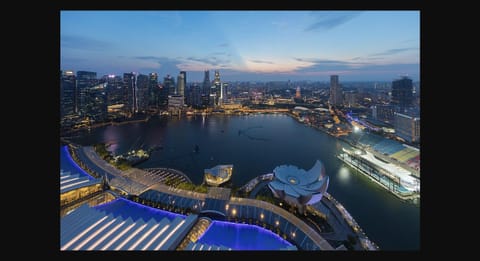
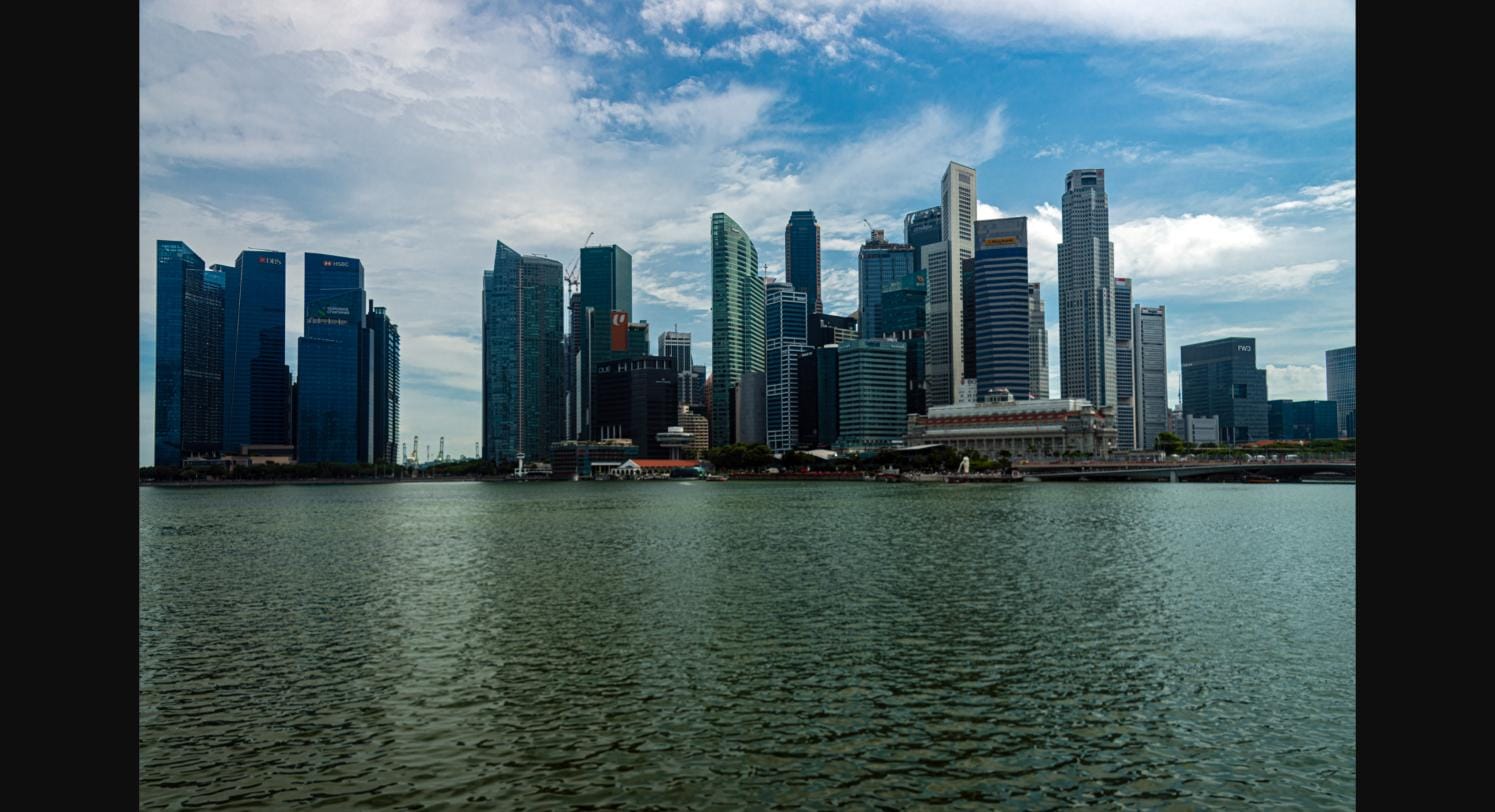
An Australian pension-owned asset manager with roughly $205 billion in global assets has opened its fourth Asia-Pacific office, in Singapore, as it works to shift a larger share of a private credit fund into the region.
TL;DR
- IFM Investors, an Australian pension-owned manager with about $205 billion in global assets, has opened a Singapore office, its fourth in Asia-Pacific after Hong Kong, Seoul and Tokyo.
- The firm is targeting deployment of up to half of a roughly $1 billion open-ended private credit fund into Asia, starting with 25 to 35 percent allocated to Southeast and South Asia.
- The push follows a A$175 million commitment from Export Finance Australia and three IFM deals already completed in the region.
What Did IFM Investors Just Announce?
IFM Investors, which is owned by 15 Australian industry pension funds and one UK pension fund, has opened an office in Singapore to support local deal origination and execution in private credit. It is the firm's fourth Asia-Pacific office, joining existing operations in Hong Kong, Seoul and Tokyo. IFM manages roughly A$291.6 billion (about $204.8 billion) in assets and serves more than 880 institutional investors from 18 offices worldwide.
How Big Is the Asia Private Credit Push?
The expansion centres on a roughly $1 billion open-ended private credit fund that has so far been weighted heavily toward Australia and New Zealand. IFM plans to allocate 25 to 35 percent of the fund to other Asian markets, primarily Southeast and South Asia, in the near term. Over time, the firm expects Asia to account for around half the portfolio. Three investments in the region, spanning digital infrastructure, agricultural commodities and business services, have already been completed.
Why Is IFM Betting on Asian Private Credit Now?
IFM executive director Hiran Wanigasekera, co-head of Asia-Pacific diversified credit, said the Singapore office reflects the firm's conviction in Asia as a long-term destination, describing the region's private credit market as being at an inflection point after growing nearly fourfold over the past 15 years from a low base. IFM has pointed to Asia's private markets as relatively under-penetrated by institutional capital, with strict banking regulation in several markets leaving growing businesses short of financing options. That fits a broader shift Alt Asset Asia has already tracked: special situations and asset-backed lending, not just sponsor-led direct lending, are increasingly shaping how private credit deals get structured across the region (https://altassetasia.com/beyond-direct-lending-why-special-situations-and-asset-backed-finance-are-dominating-apac-private-credit/).
Who's Backing the Expansion?
The Singapore office follows a A$175 million commitment to IFM's Asia-Pacific private credit strategy from Export Finance Australia, the Australian government's export credit agency, made under a Southeast Asia Investment Financing Facility. That facility targets businesses in industrials, manufacturing, services, renewable energy, telecommunications and real assets. IFM has also noted that Australia's pension system, among the world's fastest growing, manages around A$4.5 trillion today and could reach A$8.3 trillion by the 2030s, a scale that is pushing funds to invest more overseas for growth and diversification.
Why It Matters for APAC Investors
For family offices, wealth managers and institutional allocators across the region, IFM's move adds another well-capitalised entrant to Asian private credit at a time when global data already point to stabilising valuations in the asset class (https://altassetasia.com/global-private-credit-data-show-stabilising-valuations-heres-what-it-means-for-apac-allocators/). It also follows Goldman Sachs's launch of its own dedicated $1.6 billion Asia private equity fund (https://altassetasia.com/goldman-sachs-launches-a-dedicated-1-6-billion-asia-private-equity-fund/), underscoring how much institutional capital is now competing for exposure to the region's private markets. For regional allocators, that competition could mean more co-investment opportunities alongside large managers, but also tighter pricing on the most sought-after deals as more capital chases a still-developing market.
Frequently Asked Questions
Is this a new fund, or new money going into an existing one?
It is an existing roughly $1 billion open-ended private credit fund that has mainly been allocated to Australia and New Zealand. IFM is redirecting a larger share of that existing fund to Asia rather than raising a new vehicle.
Which sectors is IFM targeting in Asia?
Its three completed regional deals so far span digital infrastructure, agricultural commodities and business services. The Export Finance Australia facility behind part of the push specifically names industrials, manufacturing, services, renewable energy, telecommunications and real assets.
Does this affect Australian pension fund members?
Indirectly, yes. IFM is owned by 15 Australian industry pension funds and one UK fund and invests on behalf of retirement savers. The firm has cited the growth of Australia's pension system, from roughly A$4.5 trillion today toward a possible A$8.3 trillion in the 2030s, as a reason funds are looking to diversify further overseas.
Sources and Method
This article draws on reporting from Private Equity Wire, published September 3, 2026, which cited a Bloomberg report and comments from IFM's Hiran Wanigasekera, and from TNGlobal, published September 7, 2026, drawing on IFM's own announcement. Figures on assets under management, fund allocation targets and the Export Finance Australia commitment are as reported by those two outlets. The exact date the Singapore office itself opened is not fully clear from public reporting: one account describes it as having opened earlier in 2026 with three deals already done, while the other frames it as a new announcement this month. Both agree it is IFM's fourth Asia-Pacific office. This article is not investment advice; allocation decisions should be made in consultation with a licensed financial adviser.