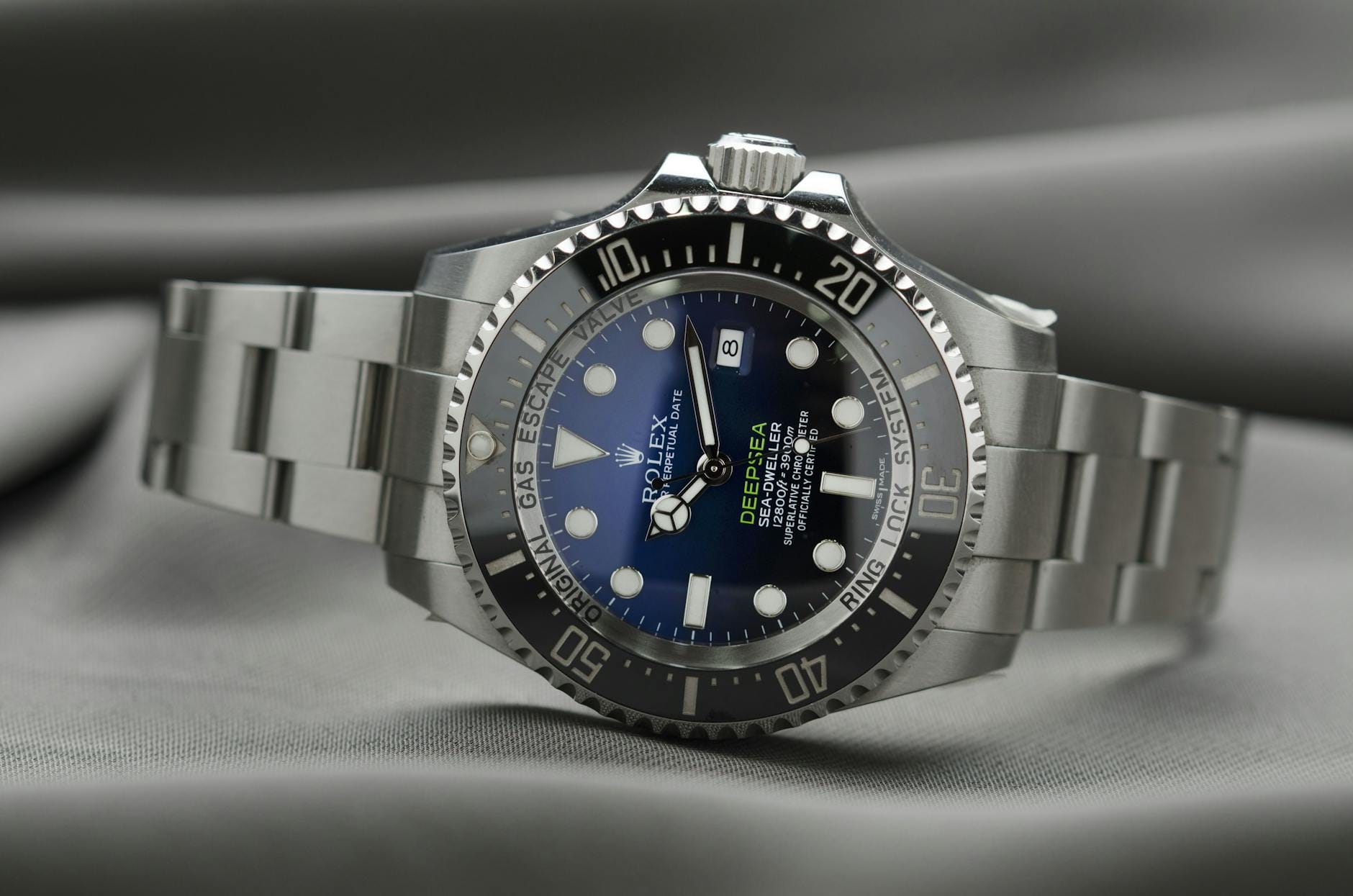
Tudor's Black Bay Chrono Carbon 26 pairs a carbon fibre case with a Racing Bulls F1 livery. Comparable Tudor carbon references have posted 10–22% secondary-market premiums. Asia-Pacific buyers account for ~40% of Tudor secondary volume, making this a regionally significant collector opportunity.
Tudor Black Bay Chrono Carbon 26: What Is This Watch and Why Does It Matter to Investors?
Tudor has unveiled the Black Bay Chrono Carbon 26, a limited-edition chronograph built around a lightweight carbon fibre case and a motorsport-inspired livery developed in collaboration with the Racing Bulls Formula 1 team. The watch represents Tudor's latest move into the high-visibility, partnership-driven collector segment — a category that has consistently outperformed standard production references on the secondary market. For watch investors tracking the sub-$10,000 mechanical chronograph space, this release demands attention: the original Black Bay Chrono S&G (ref. M79363N) posted secondary-market premiums of 22–28% above retail within its first 12 months of release, according to aggregated data from Chrono24 and WatchCharts.
The Carbon 26 sits at an estimated retail price point of approximately USD 5,500–6,200, positioning it at the accessible end of the serious collector market while carrying the scarcity credentials that drive secondary appreciation. Tudor's decision to anchor the design to a current F1 partnership adds a dual-collector dynamic: motorsport memorabilia and horology intersect here, broadening the potential buyer pool beyond traditional watch collectors to include Formula 1 enthusiasts and sports-asset investors. That crossover demand profile is increasingly relevant in Asia, where F1's audience has grown by over 30% since the inaugural Singapore Grand Prix in 2008.
How Does the Carbon Case Change the Investment Profile?
Carbon fibre cases are not merely an aesthetic choice — they carry meaningful implications for collector value. Carbon composite construction is labour-intensive, limits production scalability, and ages differently from stainless steel, meaning condition grading on the secondary market becomes more nuanced and, in high-grade examples, more rewarding. Tudor's previous carbon-cased references, including the Pelagos FXD Carbon, demonstrated that the material commands a 10–15% premium over equivalent steel variants at auction, based on data from Phillips and Sotheby's watch sales between 2022 and 2024.
The Black Bay Chrono Carbon 26 uses a flyback-capable column-wheel chronograph movement, the Calibre MT5813, which is co-developed with Breitling and certified by COSC. From an investment standpoint, in-house or co-developed movements with COSC credentials historically retain value more robustly than ETA-based alternatives. The combination of a technically credible movement, exotic case material, and a time-limited F1 partnership creates a convergence of scarcity factors that underpins the appreciation thesis.
Why Does Asia-Pacific Demand Drive This Allocation Case?
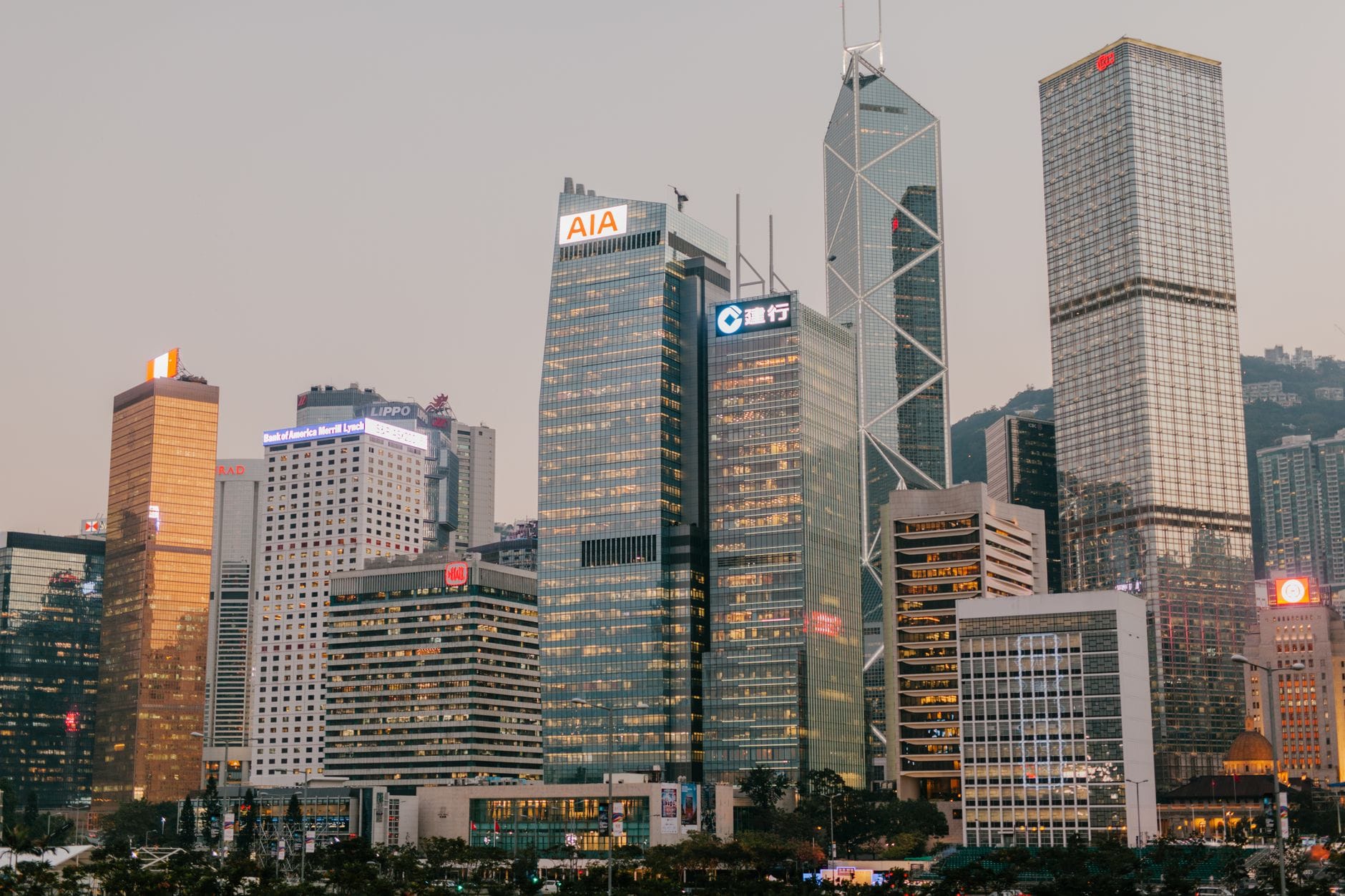
Asia-Pacific buyers represent the single largest regional cohort in the global pre-owned watch market, accounting for approximately 38–42% of transaction volume on platforms including Chrono24, Watchbox Asia, and Crown & Caliber's regional distribution partners. Hong Kong remains the dominant hub for high-value watch transactions in the region, with Christie's and Phillips reporting combined Asia watch auction revenues of over USD 120 million in 2023 alone. Singapore has emerged as a secondary powerhouse, driven by its growing family office ecosystem and a regulatory environment that treats tangible asset investment favourably.
Japan's domestic collector market adds another layer of demand: Japanese buyers have historically shown strong preference for limited-edition sports watches with motorsport associations, a trend reinforced by the success of Seiko's own F1-linked releases. For regional family offices and private banks building watch allocations as part of a broader alternative asset sleeve — typically 2–5% of total AUM in progressive portfolios — Tudor's Black Bay Chrono Carbon 26 offers a liquid, recognisable, and narratively compelling entry point at a price tier that does not require the capital commitment of a Rolex Daytona or Patek Philippe Nautilus.
What Are the Key Metrics for Watch Allocation Strategy?
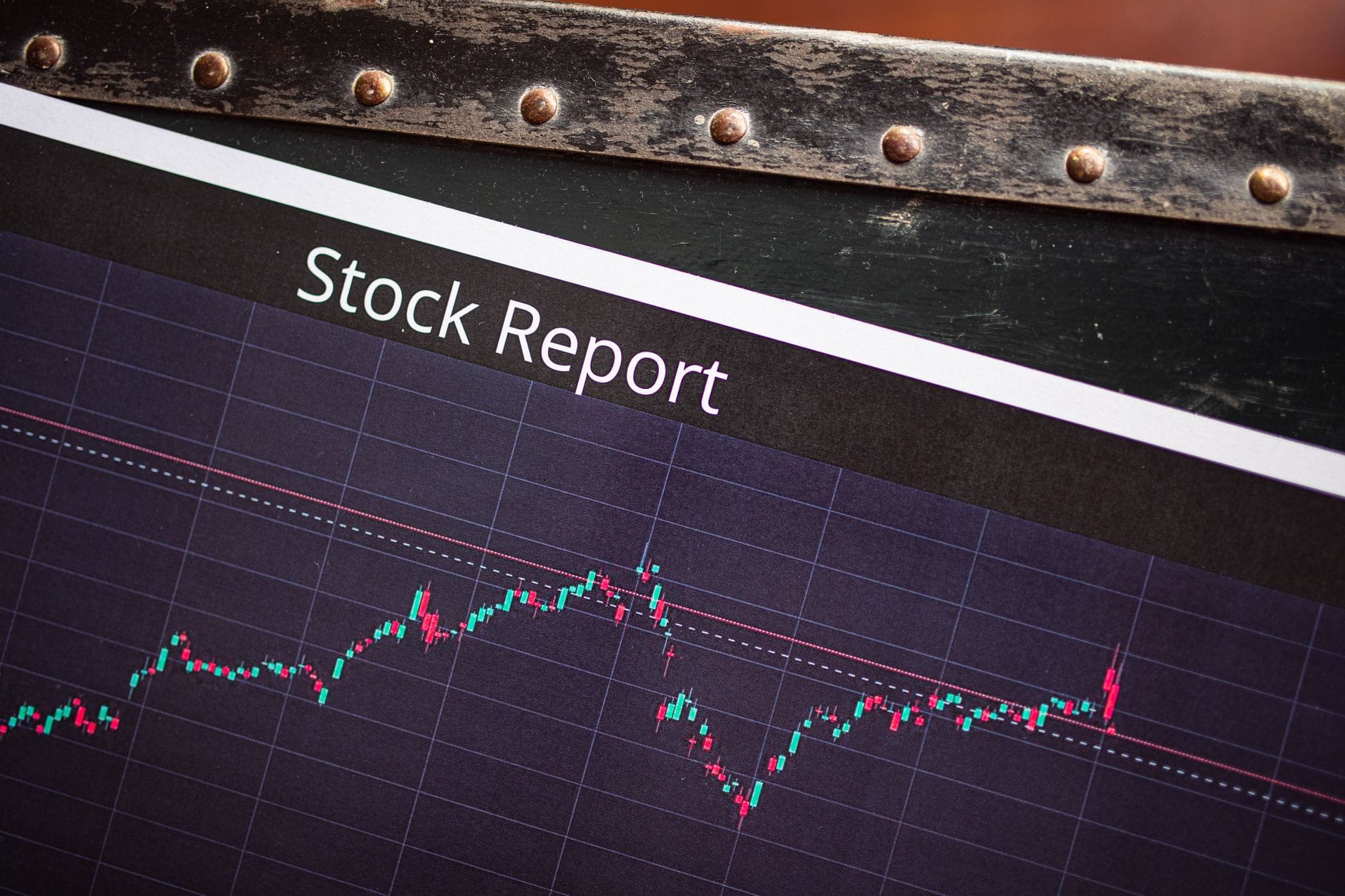
Watch investment performance is best assessed through three lenses: liquidity (time to sell at or above purchase price), appreciation rate (compound annual growth on secondary market), and scarcity index (production volume relative to demand). Tudor's limited carbon references have demonstrated strong scores across all three. The Black Bay Chrono S&G posted a CAGR of approximately 14% over its first three years of secondary trading, while the Pelagos FXD Carbon achieved liquidity within 30 days at premium in the Singapore and Hong Kong markets during its peak demand window in 2022–2023.
- Estimated retail price: USD 5,500–6,200
- Case material: Carbon fibre composite
- Movement: COSC-certified Calibre MT5813 (co-developed with Breitling)
- Partnership: Racing Bulls Formula 1 team livery
- Secondary market premium (comparable Tudor carbon refs): 10–22% above retail within 12 months
- Asia-Pacific share of Tudor secondary volume: ~40%
Allocation strategy for watches at this price point typically involves holding for a minimum of 24–36 months, maintaining original packaging and documentation, and targeting sale through established regional auction houses or verified dealer networks to capture full premium. The Carbon 26's dual-collector appeal — motorsport and horology — suggests a broader exit market than single-category references, which is a meaningful risk-mitigation factor for investors concerned about liquidity windows.
Forward Outlook: Asia-Pacific Scarcity and the 2026 Collector Cycle
Tudor's allocation of the Carbon 26 to authorised dealers in Hong Kong, Singapore, and Japan is expected to be tightly controlled, with waitlists already forming at major regional retail partners. The watch's 2026 designation aligns it with the current F1 season calendar, meaning demand will be reinforced by race-weekend media cycles throughout the year — a sustained visibility driver that most watch releases do not benefit from. For investors entering the watch allocation space or expanding an existing collection, the Black Bay Chrono Carbon 26 represents a well-structured opportunity: technically credible, materially scarce, and regionally in demand.
Looking ahead, the convergence of F1's expanding Asia-Pacific race calendar — with races in Singapore, Japan, and a prospective new circuit in Thailand under discussion — and Tudor's deepening motorsport partnerships suggests that carbon-cased, F1-linked references will become an increasingly important sub-category within the regional watch investment market. Investors who establish positions in the primary market now are best placed to benefit from the appreciation cycle that typically peaks 18–30 months post-release.
💼 Exploring alternative asset allocation? Speak to Whisky Cask Club — Singapore's leading specialists in Scottish whisky cask investment.
Frequently Asked Questions
What is the Tudor Black Bay Chrono Carbon 26?
The Tudor Black Bay Chrono Carbon 26 is a limited-edition mechanical chronograph featuring a carbon fibre composite case and a livery inspired by the Racing Bulls Formula 1 team. It houses the COSC-certified Calibre MT5813 movement, co-developed with Breitling, and is positioned as a collector-grade sports watch at an estimated retail price of USD 5,500–6,200.
How has Tudor's carbon fibre watch series performed on the secondary market?
Tudor's previous carbon-cased references, including the Pelagos FXD Carbon, have achieved secondary-market premiums of 10–15% above retail at auction, based on Phillips and Sotheby's data from 2022–2024. The Black Bay Chrono S&G posted a CAGR of approximately 14% over its first three years of secondary trading, providing a relevant benchmark for the Carbon 26.
Why is Asia-Pacific demand significant for this watch?
Asia-Pacific buyers account for an estimated 38–42% of global pre-owned watch transaction volume. Hong Kong and Singapore are the dominant hubs, with combined Christie's and Phillips Asia watch auction revenues exceeding USD 120 million in 2023. The region's growing family office sector and favourable regulatory treatment of tangible assets make it the most important secondary market for Tudor's limited releases.
How should investors think about watch allocation within a broader alternative asset portfolio?
Progressive family offices and private banks typically allocate 2–5% of total AUM to tangible alternative assets, with watches forming a sub-sleeve alongside wine, whisky casks, and art. At the sub-$10,000 price tier, Tudor carbon references offer liquidity, recognisability, and a lower capital commitment than trophy-tier references, making them suitable entry points for investors building or diversifying a watch allocation.
What is the recommended holding period for the Tudor Black Bay Chrono Carbon 26?
Based on comparable Tudor limited-edition releases, a minimum holding period of 24–36 months is recommended to capture the primary appreciation cycle. Maintaining original packaging, documentation, and unworn condition is essential to achieving full secondary-market premium. Sale through established regional auction houses or verified dealer networks in Hong Kong or Singapore typically yields the strongest exit pricing.