Jack Daniel's has released a $600, near-120-proof limited-edition Tennessee whiskey in collaboration with McLaren F1. For Asia-Pacific family offices, the dual-brand scarcity mechanics and regional F1 fanbase growth create a credible short-to-medium-term secondary market thesis.
Why Limited-Edition Whiskey Collabs Are Drawing Investor Attention
The global collectible spirits market was valued at approximately $1.8 billion in 2023, with auction house data from Sotheby's and Bonhams consistently showing double-digit annual appreciation on rare American whiskey lots. Jack Daniel's new McLaren F1 collaboration — priced at $600 per bottle and bottled at a punishing 59.5% ABV (just under 120 proof) — represents the Tennessee distillery's most premium and limited release to date. For investors and private bankers in Hong Kong, Singapore, and Tokyo who track alternative collectibles, the confluence of motorsport IP and whiskey scarcity mechanics is not a novelty play; it is a structured scarcity event with measurable secondary market upside.
McLaren's brand equity in Asia-Pacific is substantial. The Formula 1 calendar now includes races in Singapore, Japan, Australia, and a returning Chinese Grand Prix, and the sport's Asian fanbase has grown by an estimated 35% since 2020 according to Formula One Management's own audience data. Attaching that IP to a hard-to-source whiskey creates a dual-collector demographic: F1 enthusiasts and whiskey investors, both of whom are disproportionately concentrated in high-net-worth segments across Singapore and Hong Kong.
What Makes This Release a Scarcity Asset, Not a Lifestyle Purchase
Jack Daniel's has positioned this bottling explicitly as its most premium expression, a deliberate signal to the secondary market. At 59.5% ABV, the whiskey is cask-strength adjacent — a specification that commands a consistent premium at auction because it implies minimal water dilution and closer proximity to the original barrel character. Comparable limited Tennessee and bourbon releases at cask or near-cask strength have appreciated between 40% and 120% on secondary platforms such as Whisky Auctioneer and Catawiki within 12 to 18 months of release, depending on allocation size and regional distribution.
The McLaren livery packaging and numbered bottle format further tighten the collectibility thesis. Sports-branded spirits with verifiable production limits — particularly those tied to active, winning F1 constructors — have demonstrated stronger secondary market retention than generic distillery anniversary releases. McLaren's 2023 and 2024 competitive resurgence under Lando Norris has elevated the brand's desirability considerably, adding a performance narrative that collectors in Japan and South Korea, where F1 fandom skews younger and more affluent, will find compelling.
Asia-Pacific Allocation Angle: Where Does This Fit?
For family offices running a 3–7% sleeve in alternative collectibles, a $600 bottle with hard scarcity and dual-brand IP sits in the speculative-liquid tier — assets held for 24 to 48 months before targeted auction exit. Singapore and Hong Kong remain the primary redistribution hubs for premium American whiskey in Asia, with Christie's Wine and Spirits Asia reporting a 28% year-on-year increase in American whiskey lots sold in its 2023 Hong Kong sales. Thailand and Vietnam are emerging secondary markets, where duty structures are loosening and a growing upper-middle class is building whiskey cellars as status and investment vehicles simultaneously.
The practical allocation question for a private banker is whether to treat this as a single-bottle speculative position or to source a small case allocation — typically three to six bottles — to allow for one exit at peak secondary pricing while retaining a display unit. Case-level allocations in comparable F1-branded spirits (notably the Johnnie Walker x Mercedes AMG series) have returned between 25% and 60% on a per-bottle basis at Hong Kong auction over a 36-month window. Jack Daniel's distribution in Asia is handled through Brown-Forman's regional network, meaning authorised allocation will be limited and unevenly distributed across markets — a structural feature that historically accelerates secondary price discovery.
Broader Implications for the Whiskey Cask and Collectibles Market
This release also reinforces a wider thesis that major distilleries are deliberately engineering scarcity at the top of their portfolio to create investable assets, not merely premium consumer products. Brown-Forman's strategy mirrors moves by Diageo's Prima and Ultima collections and Pernod Ricard's Lot No. 40 and Chivas Brother ultra-premiums — all of which have been absorbed rapidly by collector-investors in Asia. The $600 price point is notable because it sits below the psychological $1,000 threshold that triggers additional scrutiny from compliance teams at private banks, making it easier to recommend as a discretionary allocation within an existing alternative assets mandate.
For whiskey cask investors in particular, the lesson is structural: brand-IP collaborations with proven global sports franchises are compressing the time between release and secondary market premium. Investors who build relationships with authorised distributors in Singapore and Hong Kong before allocation windows close are consistently capturing the largest margin. The Jack Daniel's McLaren F1 bottle will not be restocked. That is the only data point that ultimately matters.
Frequently Asked Questions
What is the Jack Daniel's McLaren F1 whiskey and how is it priced?
It is a limited-edition Tennessee whiskey released in collaboration with the McLaren Formula 1 team, priced at $600 per bottle. It is bottled at approximately 59.5% ABV, making it a near-cask-strength expression and the most premium release Jack Daniel's has produced to date.
How does sports IP affect whiskey collectible valuations?
Sports-branded spirits tied to active, high-profile franchises — particularly Formula 1 constructors — have shown stronger secondary market retention than standard distillery releases. The dual collector base of sports fans and whiskey investors creates competitive bidding dynamics at auction, which historically accelerates price appreciation within 12 to 24 months of release.
Where can Asia-Pacific investors source this release?
Distribution is managed through Brown-Forman's regional network, with Singapore and Hong Kong serving as the primary authorised markets in Asia. Allocation is expected to be tight, and secondary market availability through platforms such as Whisky Auctioneer and regional auction houses is likely to emerge within six to twelve months of the initial release date.
Is a single bottle or case allocation a better investment strategy?
A case allocation of three to six bottles is generally preferred by collectors targeting secondary market exits, as it allows one or two bottles to be sold at peak pricing while retaining inventory for longer-term appreciation. Single-bottle positions are viable for speculative-tier alternative asset sleeves but carry higher concentration risk.
How does this compare to Scotch whisky cask investment?
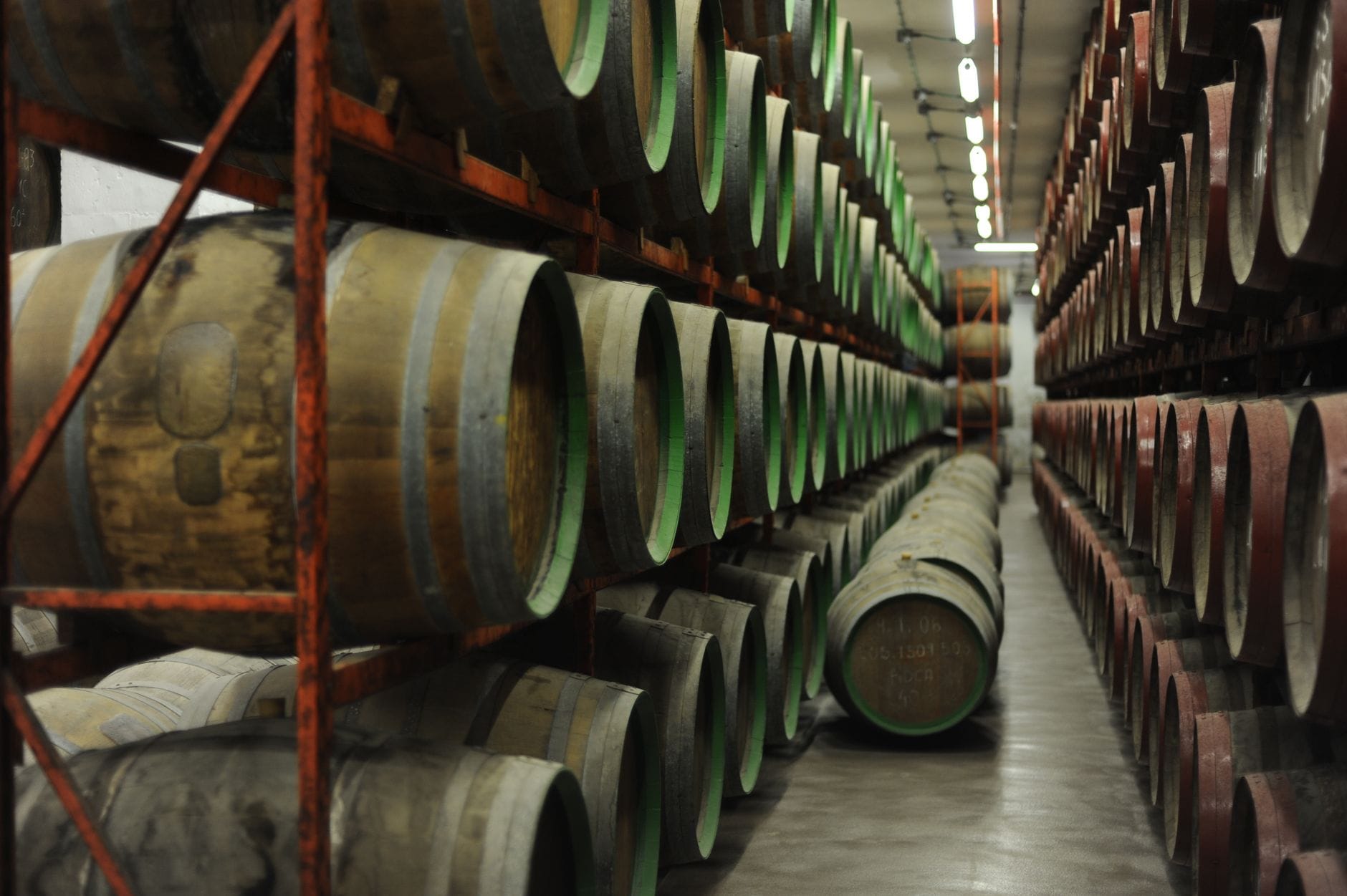
Scotch whisky casks offer longer investment horizons — typically five to fifteen years — with more predictable appreciation curves and established regulatory frameworks in Scotland. Limited-edition bottlings like the Jack Daniel's McLaren F1 release are shorter-duration, higher-volatility plays suited to the speculative portion of an alternatives sleeve, whereas cask investment provides a more stable, compounding asset with documented provenance and storage infrastructure.
💼 Exploring alternative asset allocation? Speak to Whisky Cask Club — Singapore's leading specialists in Scottish whisky cask investment.