Heritage luxury shirts from Charvet and Turnbull & Asser are showing 200–500% appreciation over long holding periods. Asia-Pacific family offices can hold them in Singapore VCC structures. Provenance and due diligence are critical. Whisky casks remain the more liquid anchor alternative.
Luxury Shirts and Wearable Assets: What Asia-Pacific Investors Need to Know
A single Charvet bespoke shirt sold at a Paris estate auction in 2023 for €4,200 — nearly 14 times its original retail price — signalling that even wearable luxury textiles are entering the conversation around collectible alternative assets. For Asia-Pacific family offices already diversifying into whisky casks, vintage watches, and rare art, the question is no longer whether fashion collectibles belong in a portfolio, but which categories carry genuine scarcity value and where the regional demand is strongest. The global luxury resale market reached USD 43 billion in 2023, with Asia-Pacific buyers accounting for an estimated 38% of cross-border transactions, according to Bain & Company's Luxury Study.
If you manage capital for a Singapore single-family office or advise high-net-worth clients in Hong Kong or Tokyo, this matters because wearable collectibles are beginning to show the same demand-supply dynamics that drove Scottish whisky cask appreciation of 373% over the decade to 2022 (Knight Frank Wealth Report). Understanding which luxury categories are investable — and which are merely expensive — is the kind of edge that separates disciplined alternative allocators from lifestyle spenders dressed up as investors.
The Investment Case for Collectible Luxury Textiles
Luxury shirts from heritage houses — Charvet of Paris (founded 1838), Turnbull & Asser of London (Royal Warrant holder since 1980), and Kiton of Naples — occupy a specific niche within the broader collectible fashion market. These are not fast-fashion items; they are handcrafted goods with documented provenance, limited production runs, and a global secondary market increasingly tracked by platforms such as Vestiaire Collective and 1stDibs. Vestiaire Collective reported a 47% year-on-year increase in luxury menswear transactions in the Asia-Pacific region in 2023, with Japanese and South Korean buyers leading volume growth.
The investment thesis rests on three pillars: scarcity, provenance, and cultural capital. Bespoke shirts from Charvet's Place Vendôme atelier are made in runs as small as a single unit per client commission. Deadstock fabric shirts from discontinued Turnbull & Asser archive collections have traded at 300–500% premiums on specialist platforms. Meanwhile, provenance tied to notable figures — a Charvet shirt from a documented wardrobe of a 20th-century statesman, for example — can command auction premiums comparable to signed sports memorabilia. Christie's Hong Kong reported that provenance-linked fashion lots outperformed their pre-sale estimates by an average of 62% across its 2022–2023 fashion and accessories sales.
For the Asia-Pacific allocator, the regional angle is critical. Japanese buyers in particular have a decades-long cultural relationship with Ivy League and British heritage dressing, creating deep domestic secondary markets in Tokyo's Ginza and Shibuya districts. Hong Kong's PMQ vintage market and Singapore's Haji Lane are smaller but growing, attracting younger HNW collectors who blend lifestyle and investment intent.
How Luxury Shirt Investment Compares to Other Wearable Alternatives
To assess whether luxury shirts deserve a line in an alternative allocation, it helps to benchmark them against established wearable asset classes. The comparison below draws on publicly available auction data and platform reporting from 2022–2024.
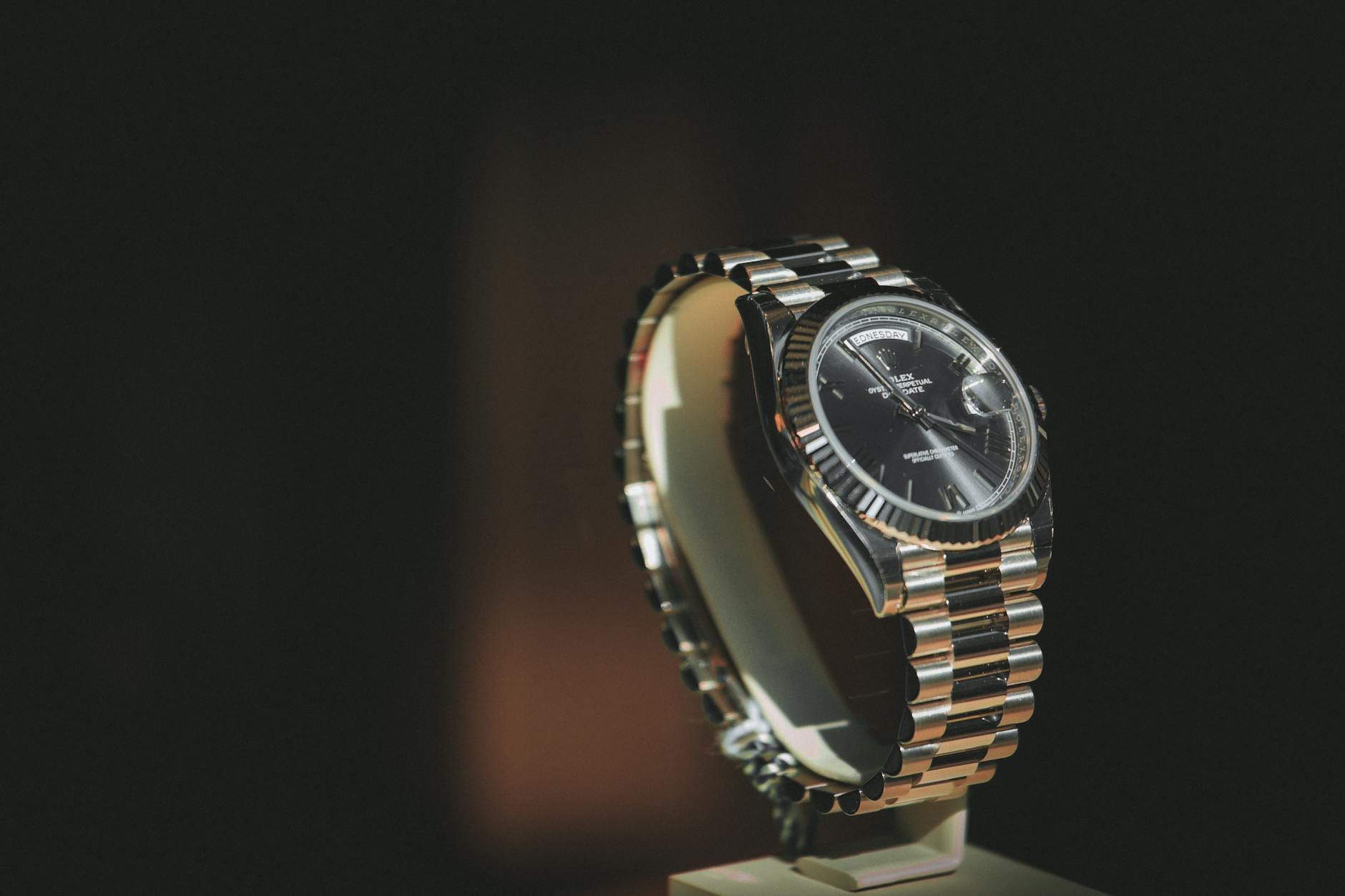
- Luxury watches (Rolex, Patek Philippe): Average annual appreciation of 8–12% for investment-grade references over the past decade; highly liquid secondary market via Chrono24, WatchBox, and Christie's. Singapore and Hong Kong are top-three global hubs by transaction volume.
- Sneakers (Nike Air Jordan, New Balance collabs): StockX reported a 28% price correction in 2023 after a 2021–2022 bubble; liquidity risk is high and holding periods are short. Less suitable for family office mandates.
- Heritage luxury shirts (Charvet, Turnbull & Asser, Kiton bespoke): Illiquid but high-provenance pieces have shown 200–500% appreciation over 10–15 year holding periods; no standardised index; requires specialist curation.
- Vintage couture (Chanel, Dior archive pieces): Kerry Taylor Auctions and Sotheby's report consistent 15–25% annual appreciation for documented archive pieces; womenswear dominates volume but menswear is catching up.
- Scottish whisky casks: Knight Frank's Rare Whisky Index recorded 373% appreciation over the decade to 2022; regulated storage, clear title transfer, and growing Asia-Pacific demand make this the most institutionally accessible alternative in the wearable/collectible space.
The key takeaway for allocators is that luxury shirts occupy a niche between art and watches — high cultural capital, limited liquidity, but genuine appreciation potential when provenance is impeccable. They are best treated as a satellite allocation within a broader collectibles sleeve, not a core holding.
"Provenance-linked fashion lots at Christie's Hong Kong outperformed pre-sale estimates by an average of 62% across 2022–2023 sales — a signal that Asia-Pacific collectors are pricing heritage and story, not just fabric."
Asia-Pacific Demand Flows and Regional Market Structure
The structural drivers of Asia-Pacific demand for luxury collectibles are well-documented: rising ultra-high-net-worth populations in China, Singapore, and India; a generational transfer of wealth to younger buyers with stronger lifestyle-investment crossover preferences; and regulatory environments in Singapore and Hong Kong that are broadly supportive of alternative asset holding structures. The Monetary Authority of Singapore (MAS) has not classified luxury collectibles as regulated investment products, meaning family offices can hold them within Variable Capital Company (VCC) structures as part of a diversified alternatives sleeve without triggering collective investment scheme rules — a meaningful structural advantage.
Japan remains the most mature secondary market for heritage menswear in the region. Tokyo's specialist vintage dealers — including those operating in Shimokitazawa and the Harajuku vintage corridor — have been arbitraging price differentials between European estate sales and domestic Japanese demand for decades. Industry estimates suggest Japanese collectors account for 15–20% of all heritage European menswear sold at specialist European auction houses, a share that has grown steadily since 2018. South Korean demand is accelerating, driven by the global influence of Korean fashion culture and a domestic HNW cohort increasingly comfortable with alternative asset allocation.
Chinese mainland buyers, historically dominant in luxury watches and art, are showing growing interest in fashion collectibles as capital controls and outbound investment scrutiny have pushed allocators toward portable, high-value, low-profile assets. Luxury shirts and archive fashion pieces are discreet, physically portable, and not subject to the same cross-border reporting thresholds as financial instruments — a practical consideration that sophisticated allocators are beginning to factor into their thinking.
Due Diligence Framework for Luxury Shirt Collectibles
Any family office or private banker considering a luxury textile allocation should apply the same rigour used for art or wine. The following framework reflects best practice drawn from specialist advisers including Rare Pink (luxury asset advisory, London) and the alternative asset team at Pictet Wealth Management's Singapore office.
- Provenance documentation: Original receipts, commission records, or auction house certificates are non-negotiable. Undocumented pieces carry significant authentication risk.
- Condition grading: Wear, laundering history, and storage conditions materially affect value. Professional textile conservation assessments are available from specialists including the Textile Conservation Centre (UK) and equivalent services in Tokyo.
- Maker verification: Charvet, Turnbull & Asser, and Kiton maintain historical records of bespoke commissions. Verification directly with the house adds significant credibility and resale value.
- Market liquidity assessment: Understand exit routes before entry. Christie's, Kerry Taylor Auctions, and specialist platforms including 1stDibs are the primary secondary market venues for investment-grade pieces.
- Storage and insurance: Climate-controlled storage and specialist fine art/collectibles insurance (Lloyd's of London syndicates are standard for HNW collectibles) are baseline requirements.
Allocators who skip the due diligence framework are not investing — they are collecting, which is a different activity with different risk parameters.
What to Watch: Key Developments for Asia-Pacific Collectible Investors in 2025
The collectible luxury market in Asia-Pacific is at an inflection point. Christie's Hong Kong and Sotheby's Hong Kong are both expanding their fashion and accessories auction programmes in 2025, with dedicated menswear heritage sales planned for Q2 and Q3. MAS is expected to publish updated guidance on VCC structures and alternative asset classification in H1 2025, which may clarify the treatment of collectibles within regulated fund vehicles. Japanese yen weakness continues to create arbitrage opportunities for non-JPY buyers acquiring heritage pieces from Tokyo dealers — a window that currency strategists at several Singapore-based multi-family offices are actively monitoring.
For investors who want exposure to the broader alternative collectibles trend with more liquidity and a clearer institutional track record, Scottish whisky casks remain the most accessible entry point in the Asia-Pacific region. The asset class has a documented appreciation history, regulated storage infrastructure, and specialist advisers operating across Singapore, Hong Kong, and Tokyo. Whisky cask investment offers the scarcity and provenance dynamics of luxury collectibles with a more developed secondary market and clearer title transfer process — making it the natural anchor for any Asia-Pacific alternatives sleeve that includes collectible assets.
Frequently Asked Questions
Are luxury shirts a legitimate alternative asset for Asia-Pacific family offices?
Yes, with important caveats. Investment-grade luxury shirts from heritage houses such as Charvet and Turnbull & Asser have demonstrated significant appreciation over long holding periods, particularly when provenance is documented. However, they are illiquid, lack a standardised index, and require specialist curation. They are best treated as a satellite allocation within a broader collectibles sleeve, not a standalone investment.
How does MAS regulation affect luxury collectible holdings in Singapore?
The Monetary Authority of Singapore does not currently classify luxury collectibles as regulated investment products. This means Singapore-based family offices can hold them within Variable Capital Company (VCC) structures as part of a diversified alternatives sleeve without triggering collective investment scheme rules — a meaningful structural advantage for regional allocators.
Which Asia-Pacific markets show the strongest demand for heritage luxury menswear?
Japan is the most mature secondary market, with Tokyo's specialist vintage dealers having arbitraged European estate sales for decades. South Korea is the fastest-growing market, driven by the global influence of Korean fashion culture. Chinese mainland buyers are increasingly active, attracted by the portability and discretion of high-value fashion collectibles relative to other alternative assets.
What is the minimum due diligence required before acquiring a luxury shirt as a collectible investment?
At minimum: verified provenance documentation (original receipts or auction certificates), professional condition grading, maker verification directly with the heritage house, a clear understanding of exit routes via Christie's or specialist platforms, and appropriate climate-controlled storage with specialist collectibles insurance.
How do luxury shirt collectibles compare to whisky cask investment for Asia-Pacific allocators?
Whisky casks have a more developed institutional infrastructure — documented appreciation of 373% over the decade to 2022 (Knight Frank), regulated storage, clear title transfer, and specialist advisers in Singapore and Hong Kong. Luxury shirt collectibles offer higher cultural capital and potential for provenance-driven premiums but are significantly less liquid and harder to benchmark. For most family offices, whisky casks are the more appropriate anchor; luxury textiles are a specialist satellite position.
Source: Whisky Bulletin coverage of cask investment on Whisky Bulletin.
💼 Exploring alternative asset allocation? Speak to Whisky Cask Club — Singapore's leading specialists in Scottish whisky cask investment.