
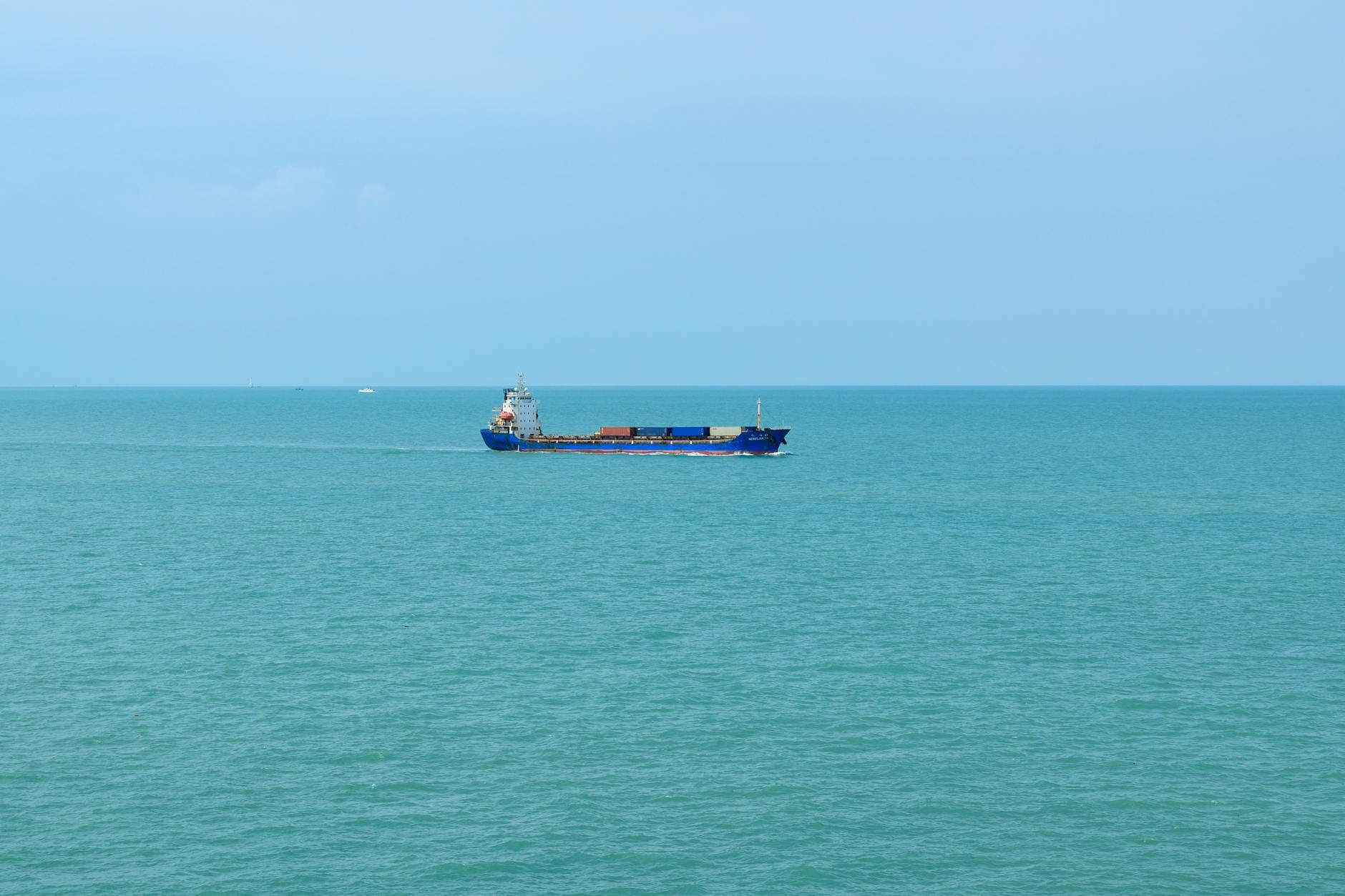
Congestion in the Malacca Strait is raising freight costs and uncertainty for palm oil shipments. This impacts bunker fuel strategies, trade finance, and buyer inventory buffers, tightening margins for shippers and traders between SE Asia and major import markets.
Rising traffic through the Malacca Strait is beginning to alter the commercial arithmetic for Asian bulk and tanker operators, with the knock-on effects now visible in freight pricing for palm oil cargoes, bunker procurement strategies and trade finance terms. What looked earlier this quarter like a routine stretch of seasonal tightness is hardening into a more structural cost issue for shippers moving product between Indonesia, Malaysia, India and China.
The immediate pressure point is transit density. The Malacca corridor remains the shortest practical route for a huge share of east-west commodity flows, and vessel scheduling has become less forgiving as operators contend with weather-related delays, slower convoy timings and tighter berth windows at downstream discharge ports. None of that sounds dramatic in isolation, but in aggregate it increases voyage uncertainty, which is exactly what traders, charterers and lenders dislike most.
That uncertainty feeds back into the Baltic Dry Index narrative. The headline index is not a direct measure of every south-east Asian shipping lane, but it remains a useful barometer for sentiment across the dry bulk complex. When owners believe tonne-mile demand will stay firm and vessel availability will stay constrained, rate expectations lift quickly. The current set-up in Asian waters fits that pattern. Regional operators are increasingly pricing not only distance and cargo availability, but also the probability of operational friction along critical choke points.
Palm oil is where the story becomes especially tangible. Exporters from Malaysia and Indonesia have had to navigate a mix of firmer freight indications, more disciplined slot allocation and heightened sensitivity to turnaround times. For refiners and agricultural traders, a day or two of delay may not sound catastrophic, but on high-volume, lower-margin flows it is enough to erode competitiveness. Buyers in India and China are therefore paying closer attention to delivered cost assumptions rather than simply flat commodity price levels.
Bunker fuel adds another layer. When routing risk rises, fuel procurement becomes more than a line item. Operators have to decide whether to bunker more aggressively before entering crowded passages, top up at alternative ports, or absorb the risk of less efficient scheduling. If fuel prices are merely stable, the impact is manageable. If they edge higher at the same time as transit friction, the margin squeeze compounds quickly. This is one reason charterers are becoming more reluctant to accept broad, open-ended freight assumptions in longer negotiation cycles.
Trade finance desks are noticing the same pattern from a different vantage point. Banks and non-bank financiers that support commodity cargoes care about shipment timelines, documentation flow and counterparty resilience. Congestion does not automatically create credit stress, but it lengthens the chain between loading and payment realization. That can increase demand for working capital, particularly for smaller trading houses with thinner liquidity buffers. In practice, that means financiers are rewarding borrowers with stronger logistics visibility and more conservative hedging discipline.
There is also a subtle inventory effect at work. When freight conditions become less predictable, buyers tend to revisit safety-stock assumptions. That can support near-term cargo demand even when end-market consumption is not accelerating dramatically, because importers would rather hold a slightly fatter buffer than risk being caught short during a transport squeeze. For palm oil and related soft commodity flows, that behaviour can reinforce freight firmness in a self-sustaining loop.
None of this implies a full-blown shipping shock. The market is still functioning, and owners are not yet operating in crisis mode. But the balance has shifted enough to matter. For investors and commercial observers tracking Asian trade infrastructure, the signal is that logistics efficiency is once again a source of pricing power. Owners with disciplined cost control, strong customer relationships and smart bunker purchasing are in a better position than peers who depend on frictionless transit assumptions.
The wider implication is straightforward. The Malacca Strait is not just a line on a map; it is a margin channel for the region’s commodity economy. When congestion rises there, the effects ripple into freight benchmarks, cargo pricing, fuel strategy and credit conditions. That makes this more than a shipping story. It is a reminder that in Asian trade, operational bottlenecks often become financial variables faster than the market expects.
Frequently Asked Questions
How does Malacca Strait congestion affect palm oil shipping?
It increases voyage uncertainty, freight rates, and bunker procurement complexity, squeezing margins for exporters and importers.
Why are bunker fuel costs a concern in this situation?
Congestion complicates fuel planning. Rising bunker prices combined with transit delays compound cost pressures for operators.
How does this congestion impact trade finance?
Longer shipment timelines increase working capital needs, leading financiers to favor clients with strong logistics visibility.
What is the effect on palm oil buyers in India and China?
Buyers are focusing more on total delivered cost, not just commodity price, and may hold larger safety stock inventories.