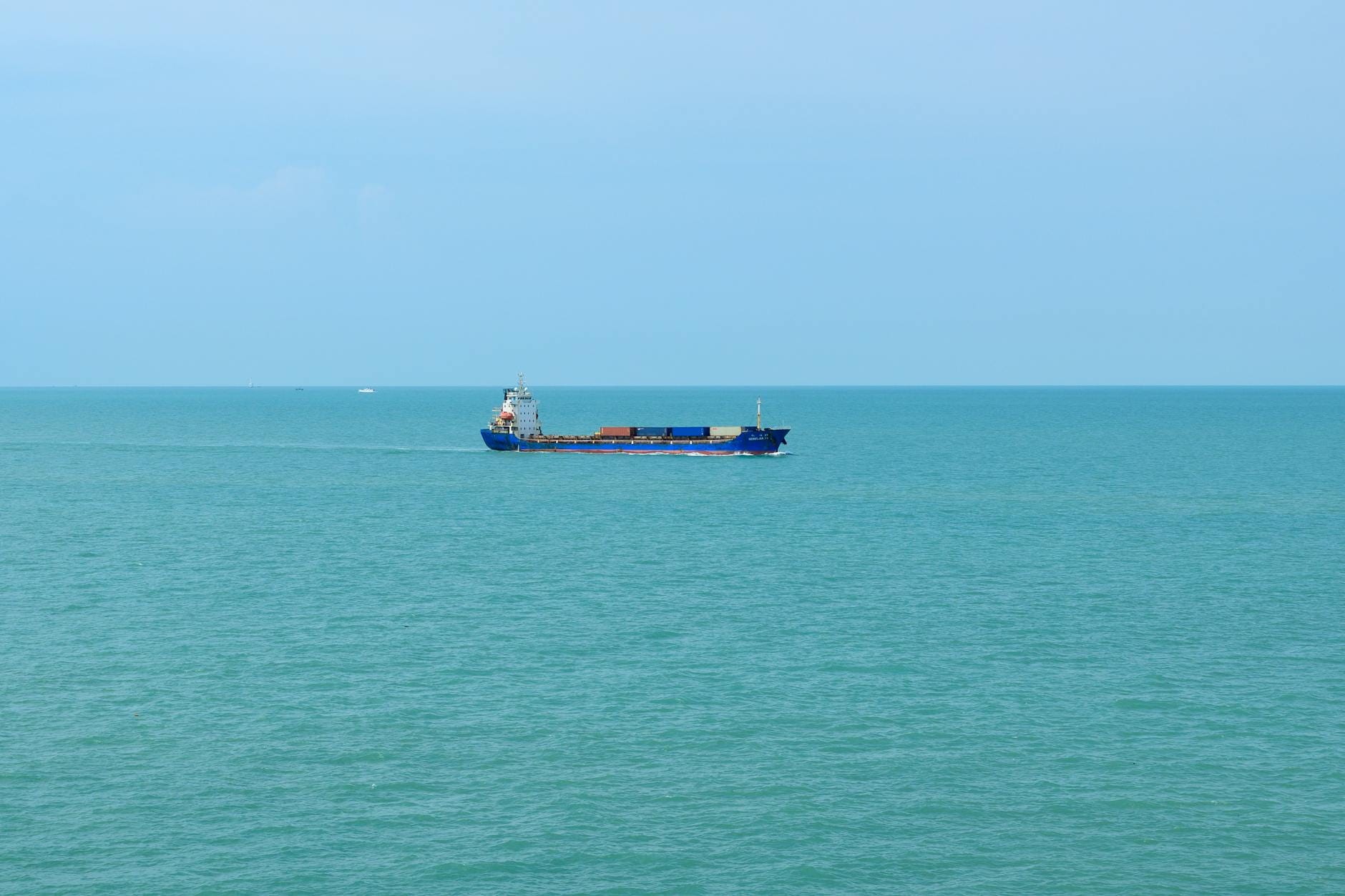
Malacca Strait vessel traffic reached a record high in April 2026. This reflects ASEAN supply chain optimisation, increased intra-regional trade, and strategic global routing shifts. It drives efficiency gains, trade finance innovation, and infrastructure investment.
Malacca Strait Traffic Hits Record High as ASEAN Supply Chain Optimisation Accelerates
Published 2026-05-13. Vessel transits through the Malacca Strait reached an all‑time high in April 2026, driven by a combination of recovering Chinese industrial demand, resilient ASEAN intra‑regional trade, and strategic shifts in global supply‑chain routing.
Data from the Marine Department of Malaysia shows an average of 108.7 vessels per day traversed the strait last month, surpassing the previous peak of 106.2 recorded in early 2024. The increase reflects both cyclical recovery and structural changes in shipping patterns, as companies seek to diversify away from longer, more congested routes.
Supply‑Chain Optimisation in Focus
“The Malacca Strait remains the most efficient artery for containerised trade between East Asia, Southeast Asia, and Europe,” said the head of a Singapore‑based maritime consultancy. “What we’re seeing now is not just more vessels, but smarter routing. Carriers are optimising schedules to minimise idle time, which in turn reduces bunker consumption and transit costs.”
This optimisation push is particularly evident in the dry‑bulk segment, where operators are using advanced weather‑routing software and real‑time port‑congestion data to shave days off traditional voyage times. The resulting efficiency gains are partially offsetting higher fuel costs and helping to keep freight rates competitive.
Commodity‑Logistics Implications
For commodity traders, the strait’s growing traffic density has both positive and negative implications. On one hand, faster transit times reduce financing costs and improve working‑capital efficiency. On the other, increased vessel density raises the risk of delays and accidents, potentially disrupting just‑in‑time delivery schedules.
“We’re seeing more interest in commodity‑storage facilities at both ends of the strait—in Singapore and Port Klang—as a buffer against potential disruptions,” noted a senior executive at a global commodity‑trading firm. “That’s driving investment in tank‑farm and warehousing infrastructure, which in turn creates opportunities for alternative‑asset investors.”
Trade‑Finance Innovation
The surge in Malacca traffic is also spurring innovation in trade finance. Singaporean banks are piloting blockchain‑based platforms that provide real‑time visibility into cargo movements, allowing financiers to release letters of credit more quickly and with reduced counterparty risk.
“A typical letter of credit tied to a Malacca transit can now be processed in hours rather than days,” said the head of trade finance at a major Singapore bank. “That’s a game‑changer for small and medium‑sized enterprises that need fast, reliable financing to keep their supply chains moving.”
Looking Ahead
With ASEAN’s economic integration continuing to deepen, the Malacca Strait’s role as the region’s primary maritime gateway is set to grow further. Infrastructure upgrades—such as the ongoing expansion of the Port of Singapore’s Tuas Mega Terminal and the development of Malaysia’s Carey Island port—will enhance capacity and efficiency.
For investors, the strait’s enduring strategic importance underscores the value of assets linked to maritime logistics, trade finance, and supply‑chain resilience. While short‑term fluctuations in vessel traffic are inevitable, the long‑term trend points to sustained growth in both volume and sophistication.
Frequently Asked Questions
Why is Malacca Strait traffic at a record high?
Recovering Chinese demand, resilient ASEAN trade, and companies diversifying from congested routes are driving record vessel numbers.
How is supply chain optimisation affecting the strait?
Carriers use advanced routing software and real-time data to minimise idle time, reducing fuel consumption and transit costs.
What are the implications for commodity traders?
Faster transit times improve efficiency, but increased vessel density raises risks, spurring investment in storage facilities as buffers.
How is trade finance innovating due to this surge?
Singapore banks pilot blockchain platforms for real-time cargo visibility, speeding up letter of credit processing from days to hours.