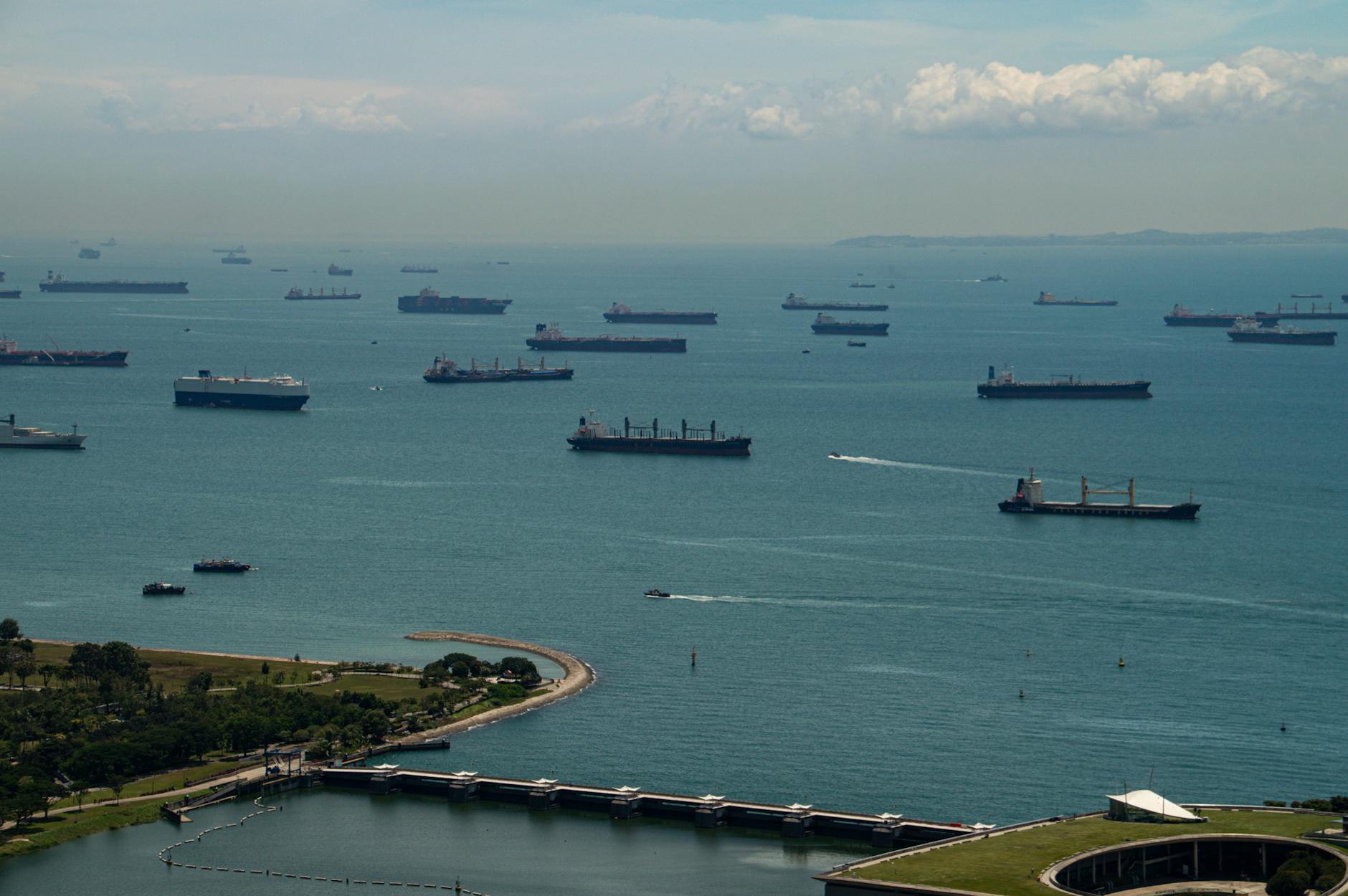
Vessel traffic through the Malacca Strait reached a record 84 ships per day in April 2026, strengthening Singapore's role as Southeast Asia's leading maritime hub. This boosts commodity logistics and spurs new trade-finance products, though concerns about over-reliance on the chokepoint remain.
Vessel transits through the Malacca Strait reached a historic high of 84 large commercial ships per day in April 2026, cementing Singapore’s position as the undisputed maritime hub of Southeast Asia.
The record traffic—up 7% from the same period last year—comes as global shipping lines reroute more Asia‑Europe and intra‑Asia cargo through Singapore’s anchorages, taking advantage of the port’s expanded bunkering and repair services.
“Singapore isn’t just a port of call; it’s the central nervous system of ASEAN’s maritime trade,” observed the CEO of a leading shipbroking firm. “The strait’s depth, combined with Singapore’s world‑class arbitration and financing ecosystem, creates a virtuous circle that other hubs struggle to match.”
Commodity Logistics in Focus
With over a third of global crude oil and a quarter of containerised trade passing through the strait, the uptick in traffic has direct implications for commodity‑logistics providers. Several Singapore‑based traders have reported shorter lead times for bulk‑commodity shipments, thanks to improved scheduling predictability.
The surge also underscores the growing importance of trade‑finance instruments tailored to strait‑dependent cargoes. Banks such as DBS and OCBC have rolled out new supply‑chain‑finance products that use real‑time vessel‑tracking data to reduce credit risk.
ASEAN Supply‑Chain Resilience
While the increased volume highlights the strait’s critical role, it also raises familiar concerns about over‑reliance on a single chokepoint. ASEAN policymakers are accelerating plans for alternative routes, including the Kra Canal feasibility study and the Northern Sea Route’s seasonal use.
Nevertheless, for the foreseeable future, the Malacca Strait—and Singapore’s attendant services—will remain the linchpin of regional trade. For investors, the sustained traffic growth signals robust demand for maritime‑services stocks and port‑infrastructure assets across the ASEAN corridor.
As one veteran shipping executive put it: “When the straits are busy, everybody in the ecosystem makes money.”