Critic Jaeyong Park attends every Venice Biennale show, creating rare systematic art intelligence. For Asia-Pacific investors, Venice drives price discovery for contemporary art — a growing alternative asset class with 35% of global high-value transactions now sourced from the region.
Venice Biennale Art Intelligence: Why Institutional Collectors Are Paying Attention
The Venice Biennale art market is not merely a cultural event — it is a price-discovery mechanism for the contemporary art asset class, one that increasingly shapes acquisition strategies for family offices and private banks across the Asia-Pacific region. Global art market revenues exceeded $65 billion in 2023, according to the Art Basel and UBS Global Art Market Report, with contemporary and emerging works accounting for the fastest-growing segment. For investors tracking illiquid alternative assets, understanding what moves at Venice — and who is watching most closely — is a material intelligence advantage.
Into this rarefied space steps Jaeyong Park, a Seoul-based critic and writer who has built an extraordinary reputation for doing what almost no one else does: attending and reviewing every single national pavilion and collateral exhibition at the Venice Biennale. In a sprawling event that spans dozens of venues across the city — from the Giardini and Arsenale to churches, palazzos, and converted warehouses — Park's commitment is logistically staggering and analytically rare. His work offers a systematic survey of the contemporary art world that most collectors, curators, and advisers can only approximate.
Why Comprehensive Coverage of Venice Matters for Art Investors
For high-net-worth collectors and institutional buyers, the Venice Biennale functions as a leading indicator. Artists who generate significant critical attention at Venice frequently see auction results climb in the 12 to 36 months following the event. South Korean artist Haegue Yang, for instance, saw secondary market prices for her work appreciate sharply after sustained international exposure at major biennials. The mechanism is well understood: critical consensus, driven by writers and curators who shape institutional taste, precedes collector demand, which in turn precedes price appreciation.
Park's methodology — seeing everything rather than curating a highlights reel — gives him a dataset that most critics lack. Where a typical reviewer attends perhaps 20 to 30 pavilions, Park covers upwards of 90 national presentations plus dozens of collateral events. This breadth allows him to identify patterns: which emerging markets are investing in cultural diplomacy through their pavilions, which curatorial frameworks are gaining traction, and which artists are being positioned for the next wave of institutional acquisition. For a family office with a 3 to 5 percent allocation to art and collectibles, this kind of systematic intelligence is not trivial.
Asia-Pacific Collector Flows and the Biennale Effect
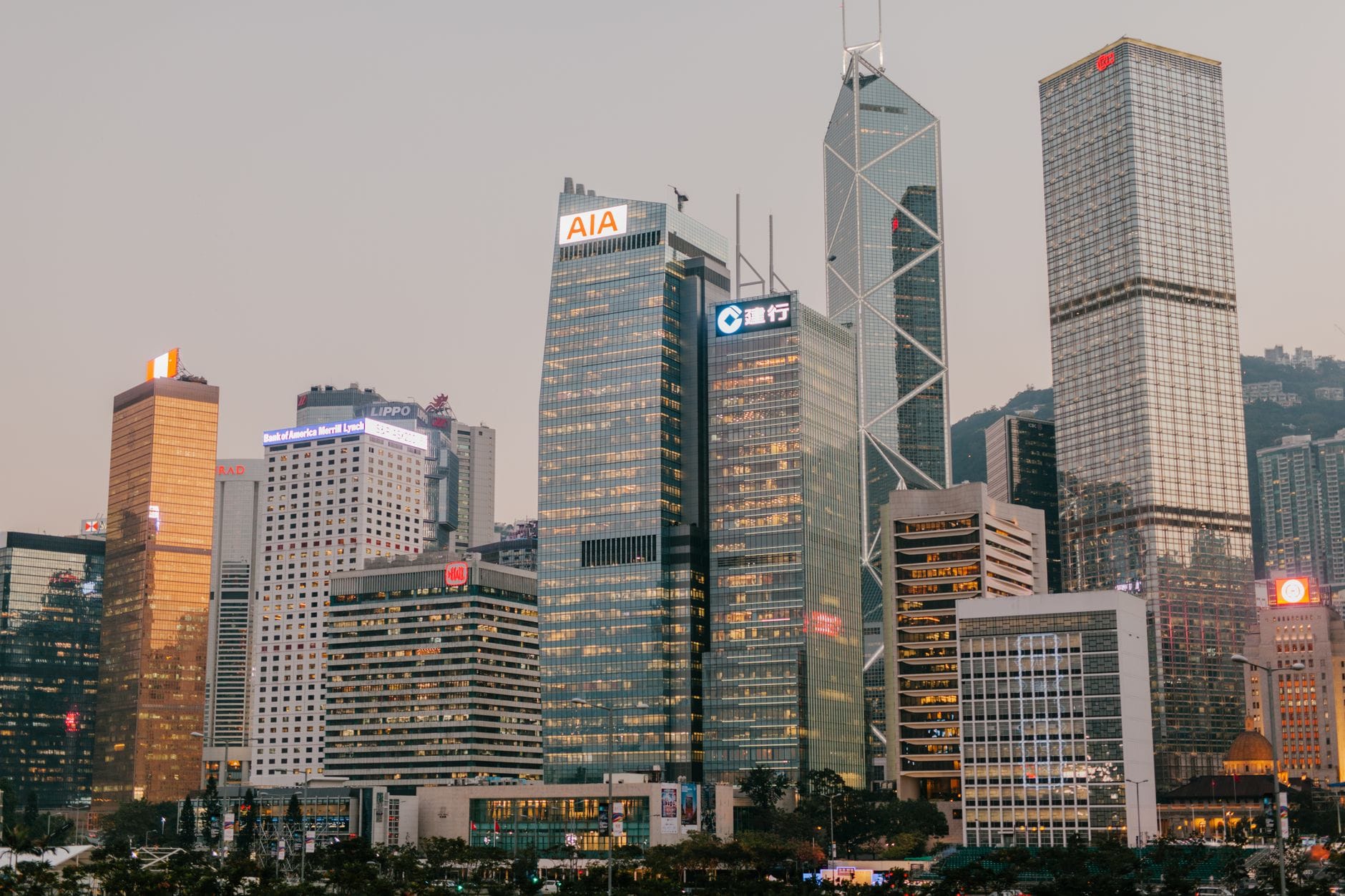
Asia-Pacific buyers now represent one of the most consequential forces in the contemporary art market. According to Art Basel's 2024 data, collectors from Greater China, South Korea, Japan, and Southeast Asia collectively account for approximately 35 percent of global high-value art transactions, up from under 20 percent a decade ago. Hong Kong remains the region's primary auction hub, with Sotheby's and Christie's both reporting record Asia-sourced bidding in the contemporary segment. Singapore has emerged as a secondary market for private treaty sales, particularly for Southeast Asian and Korean artists whose work gains visibility at international biennials.
The Korea Pavilion at Venice has become one of the most closely watched national presentations precisely because of the depth of Korean collector demand. When an artist represents Korea at Venice and receives strong critical reception — the kind of systematic, credible coverage that Park provides — the downstream effect on gallery prices and auction estimates is measurable. Japanese and Taiwanese pavilions carry similar weight for their respective collector communities. For a private banker advising a client on art allocation in Singapore or Bangkok, knowing which artists emerged from Venice with critical momentum is actionable intelligence, not cultural trivia.
The Scarcity Premium and Long-Term Allocation Logic
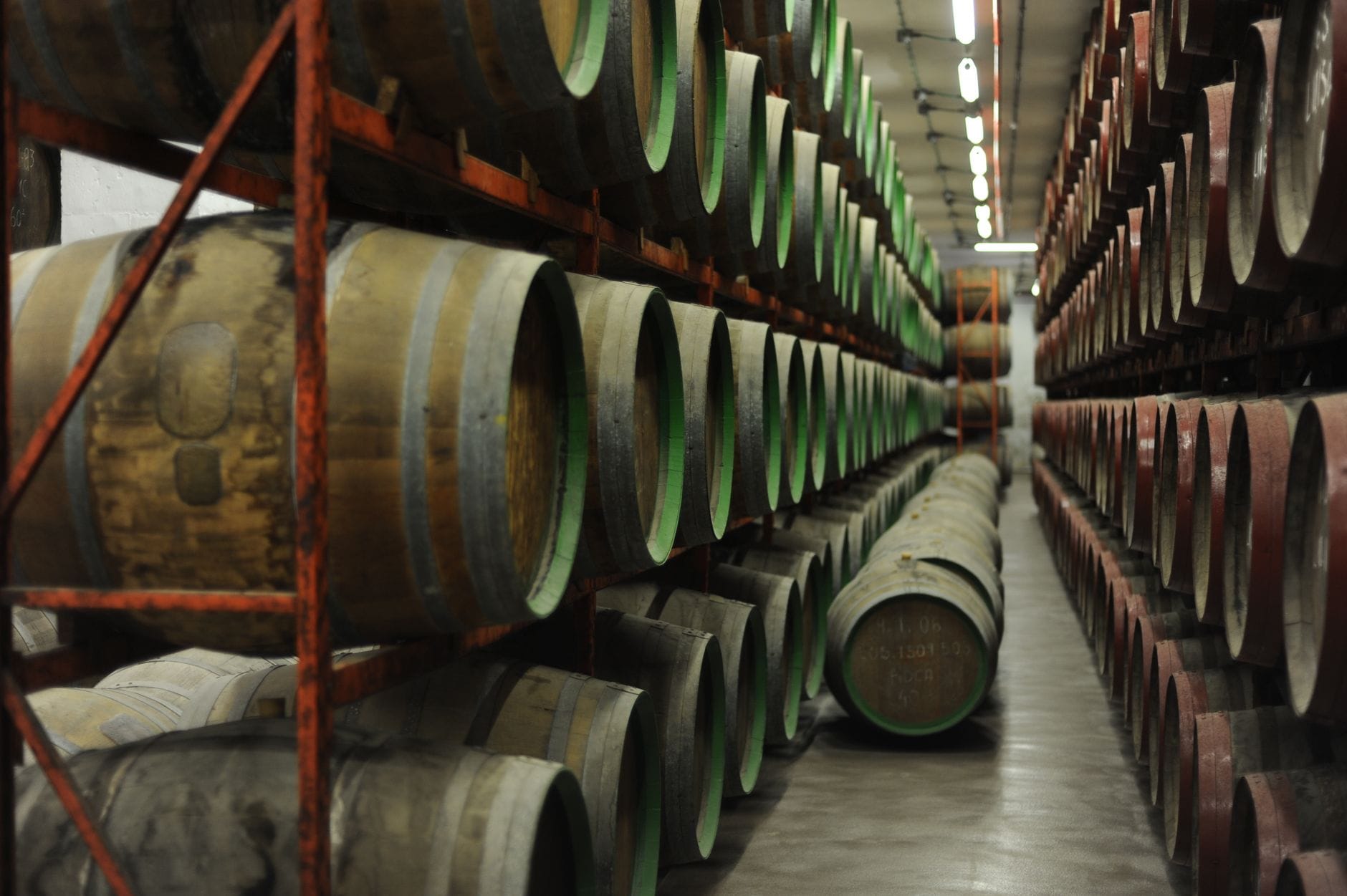
Art as an alternative asset class shares structural characteristics with other illiquid alternatives that Asia-Pacific family offices hold: whisky casks, rare watches, and classic automobiles. All are subject to scarcity premiums, provenance narratives, and demand driven by a relatively small global community of informed buyers. The Mei Moses All Art Index has historically shown annualised returns of 5 to 8 percent over long periods, with contemporary works outperforming in specific cycles. Critically validated artists — those whose careers are anchored by major biennial exposure and sustained critical attention — tend to occupy the upper quartile of that return distribution.
Park's work, in this context, is not merely journalism. It is the kind of primary research that underpins credible art advisory. His comprehensive Venice coverage creates a documented critical record that serious collectors and their advisers can reference when assessing whether a given artist's market trajectory is supported by genuine institutional validation or speculative momentum. As Asia-Pacific family offices become more sophisticated in their alternative asset allocation — moving beyond trophy acquisitions toward portfolio-level thinking — the demand for this kind of rigorous, data-adjacent art intelligence will only grow.
Frequently Asked Questions
How does the Venice Biennale influence art prices?
The Venice Biennale functions as a critical validation platform. Artists who receive sustained positive coverage from credible critics and curators at Venice frequently see gallery prices and secondary market auction estimates rise in the 12 to 36 months following the event. The mechanism runs from critical consensus to institutional acquisition to collector demand to price appreciation.
Why are Asia-Pacific collectors increasingly important at Venice?
Asia-Pacific buyers now account for approximately 35 percent of global high-value art transactions, according to Art Basel's 2024 data. Collectors from Greater China, South Korea, Japan, and Southeast Asia have dramatically increased their presence at international art fairs and biennials, making the Asia-Pacific region a primary driver of demand for critically validated contemporary art.
What allocation do family offices typically make to art?
Most institutional advisers recommend a 3 to 5 percent allocation to art and collectibles within a broader alternative assets portfolio. This sits alongside allocations to whisky casks, rare watches, wine, and other illiquid alternatives. The art allocation is typically divided between primary market acquisitions and secondary market purchases of established works.
How does systematic biennial coverage benefit art investors?
Comprehensive critical coverage of events like Venice creates a documented record of which artists received institutional validation and curatorial attention. Investors and their advisers can use this record to assess whether an artist's market trajectory is supported by genuine critical consensus or driven by speculative demand, reducing the information asymmetry that characterises the art market.
Which Asia-Pacific pavilions carry the most market weight at Venice?
The Korea Pavilion has become one of the most closely watched presentations at Venice, reflecting the depth of Korean collector demand globally. Japan and Taiwan also carry significant weight for their respective collector communities. Artists who represent these nations and receive strong critical reception frequently see measurable downstream effects on gallery prices and auction estimates.
💼 Exploring alternative asset allocation? Speak to Whisky Cask Club — Singapore's leading specialists in Scottish whisky cask investment.