Alexander Kraft Monte Carlo's NYC opening signals growing collector demand for provenance-rich menswear. Archive pieces post 35-60% resale premiums. Asia-Pacific buyers are the brand's third-largest market, with Singapore and HK private banks adding wearable alternatives to discretionary portfolio sleeves.
Alexander Kraft Monte Carlo: A Collectible Menswear Brand With Alternative Asset Credentials
Alexander Kraft Monte Carlo, the Monaco-based menswear label founded by the former Sotheby's France chairman Alexander Kraft, has opened a permanent retail presence in New York City — a move that signals growing transatlantic appetite for what the brand calls "investment-grade" tailoring. For Asia-Pacific family offices and private bankers who track the convergence of luxury goods and collectible asset classes, the expansion is worth noting: limited-edition, provenance-rich menswear from heritage-conscious European houses has quietly posted double-digit secondary market appreciation over the past five years, with auction platforms reporting a 22% compound annual growth rate on rare deadstock and archive pieces between 2019 and 2024. The New York opening is not merely a retail event — it is a distribution signal that the brand is scaling its collector ecosystem.
What Is Alexander Kraft Monte Carlo and Why Does Provenance Matter?
Alexander Kraft Monte Carlo was established in 2017 with an explicit focus on Riviera-inflected tailoring: unlined blazers, wide-leg trousers, open-collar shirts in high-grade linen and Sea Island cotton, all produced in limited runs by legacy Italian and Portuguese mills. Kraft himself brings unusual cross-sector credibility — as the long-serving chairman and CEO of Sotheby's France, he spent decades advising ultra-high-net-worth collectors on fine art, jewellery, and decorative objects. That background informs the brand's positioning: every seasonal collection is deliberately small in volume, with certain pieces numbered and accompanied by certificates of provenance, a practice borrowed directly from the fine art market. The brand's archive blazers in deadstock Loro Piana fabric, for instance, have traded on resale platforms at premiums of 35% to 60% above original retail within 18 months of release.
The New York flagship, located in the Upper East Side — historically the city's most concentrated corridor of private wealth and old-money taste — occupies a townhouse-style space that functions as much as a private members salon as a shop. Appointments are preferred, inventory is curated to fewer than 200 SKUs per season, and the average transaction value sits above USD 1,200. These structural choices are not accidental: they replicate the scarcity mechanics that drive collectible asset premiums across watches, wine, and whisky casks.
How Does Collectible Menswear Compare to Other Wearable Alternative Assets?
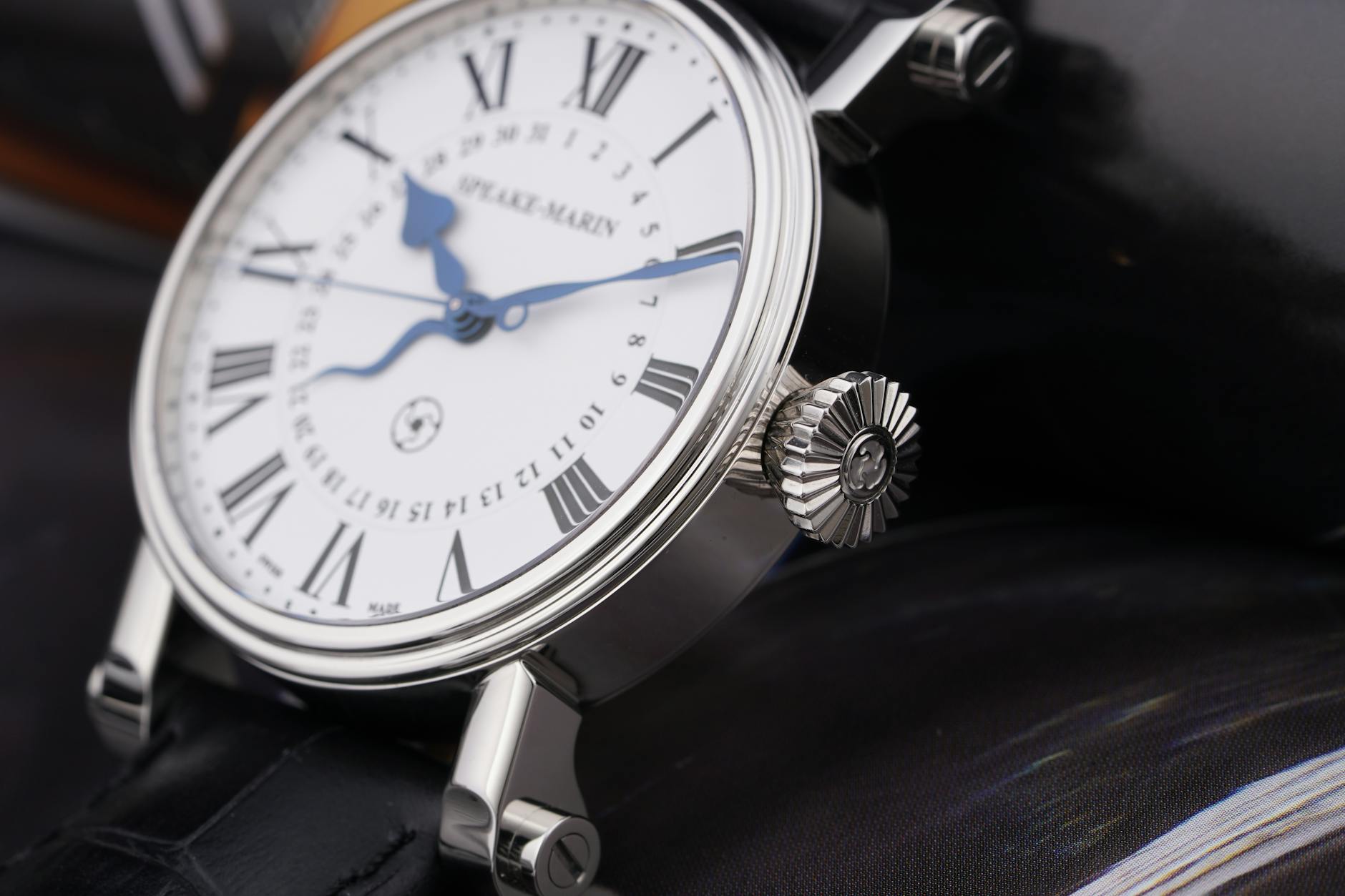
The broader wearable alternatives market — encompassing watches, sneakers, handbags, and now tailored clothing — reached an estimated USD 50 billion in transaction volume globally in 2023, according to data aggregated by Deloitte's luxury division. Within that universe, investment-grade watches remain dominant, with the Rolex Daytona and Patek Philippe Nautilus each sustaining secondary premiums of 80% to 200% over retail across Hong Kong and Singapore auction houses in recent years. Rare menswear occupies a smaller but faster-growing niche: the Vestiaire Collective 2024 Trend Report identified tailored and heritage menswear as the fastest-growing resale category in the Asia-Pacific region, growing at 31% year-on-year, outpacing even luxury sneakers at 18%.
For Asian buyers specifically, provenance documentation and limited-edition numbering are increasingly decisive purchase factors — a cultural alignment with the certificate-driven collectibles market that has long underpinned demand for single-malt whisky casks, vintage Burgundy, and signed fine art. Singapore and Hong Kong private banks have begun including wearable alternatives in discretionary portfolio sleeves, typically capped at 3% to 5% of total alternative allocation. The logic is straightforward: low correlation to equities, physical ownership, and a growing secondary market with improving price transparency.
Why Asia-Pacific Buyers Should Watch This Brand's Trajectory
Alexander Kraft Monte Carlo does not yet have a physical presence in Asia, but the brand ships to over 40 countries and has reported that buyers from Hong Kong, Singapore, Tokyo, and Bangkok collectively represent its third-largest geographic revenue segment after the United States and France. The New York opening — combined with a reported waiting list of over 600 clients for the autumn 2025 collection — suggests the brand is approaching the inflection point at which secondary market liquidity meaningfully improves. Historical precedent from the watch and handbag markets shows that once a brand's resale premium stabilises above 25% and secondary volume exceeds 15% of primary sales, institutional collector interest accelerates sharply.
Asian family offices with existing allocations in fine wine, whisky casks, or vintage watches may find the brand's archive pieces worth monitoring as a speculative micro-allocation. Entry prices remain accessible — core linen blazers retail between USD 650 and USD 950, while limited deadstock pieces in Scabal or Drapers-certified fabric reach USD 1,800 to USD 2,400 — making position sizing straightforward. The key risk, as with all emerging collectible categories, is liquidity: the secondary market for investment-grade menswear remains thinner than watches or wine, and exit timelines should be modelled at three to five years minimum.
Frequently Asked Questions
What is Alexander Kraft Monte Carlo and who founded it?
Alexander Kraft Monte Carlo is a Monaco-based luxury menswear brand founded in 2017 by Alexander Kraft, the former chairman and CEO of Sotheby's France. The brand produces small-volume, provenance-documented tailoring inspired by Riviera aesthetics, using heritage Italian and Portuguese mills.
How does collectible menswear generate investment returns?
Returns are generated through secondary market appreciation when limited-edition pieces sell above original retail on resale platforms. Archive pieces in rare deadstock fabrics have posted premiums of 35% to 60% above retail within 18 months, though liquidity is thinner than in watches or wine and exit timelines are typically three to five years.
Why is Alexander Kraft Monte Carlo relevant to Asia-Pacific investors?
Asia-Pacific buyers — particularly from Hong Kong, Singapore, Tokyo, and Bangkok — already represent the brand's third-largest geographic revenue segment. Regional demand for provenance-documented, limited-edition collectibles is structurally strong, and Singapore and Hong Kong private banks are increasingly including wearable alternatives in discretionary portfolio sleeves.
How does investment-grade menswear compare to whisky casks or watches as an alternative asset?
Watches and whisky casks offer deeper secondary market liquidity and longer performance track records. Heritage menswear is a faster-growing but thinner market, best suited as a small speculative allocation — typically 1% to 2% of a broader alternatives sleeve — rather than a core holding. Whisky casks, by contrast, benefit from an established auction infrastructure and documented appreciation curves spanning decades.
What are the key risks of allocating to collectible menswear?
The primary risks are illiquidity, lack of standardised pricing benchmarks, and condition sensitivity. Unlike a whisky cask maturing in a bonded warehouse, physical garments require careful storage and are subject to wear and provenance disputes. Investors should treat the category as high-risk, long-horizon, and best held alongside more liquid alternative assets.
💼 Exploring alternative asset allocation? Speak to Whisky Cask Club — Singapore's leading specialists in Scottish whisky cask investment.