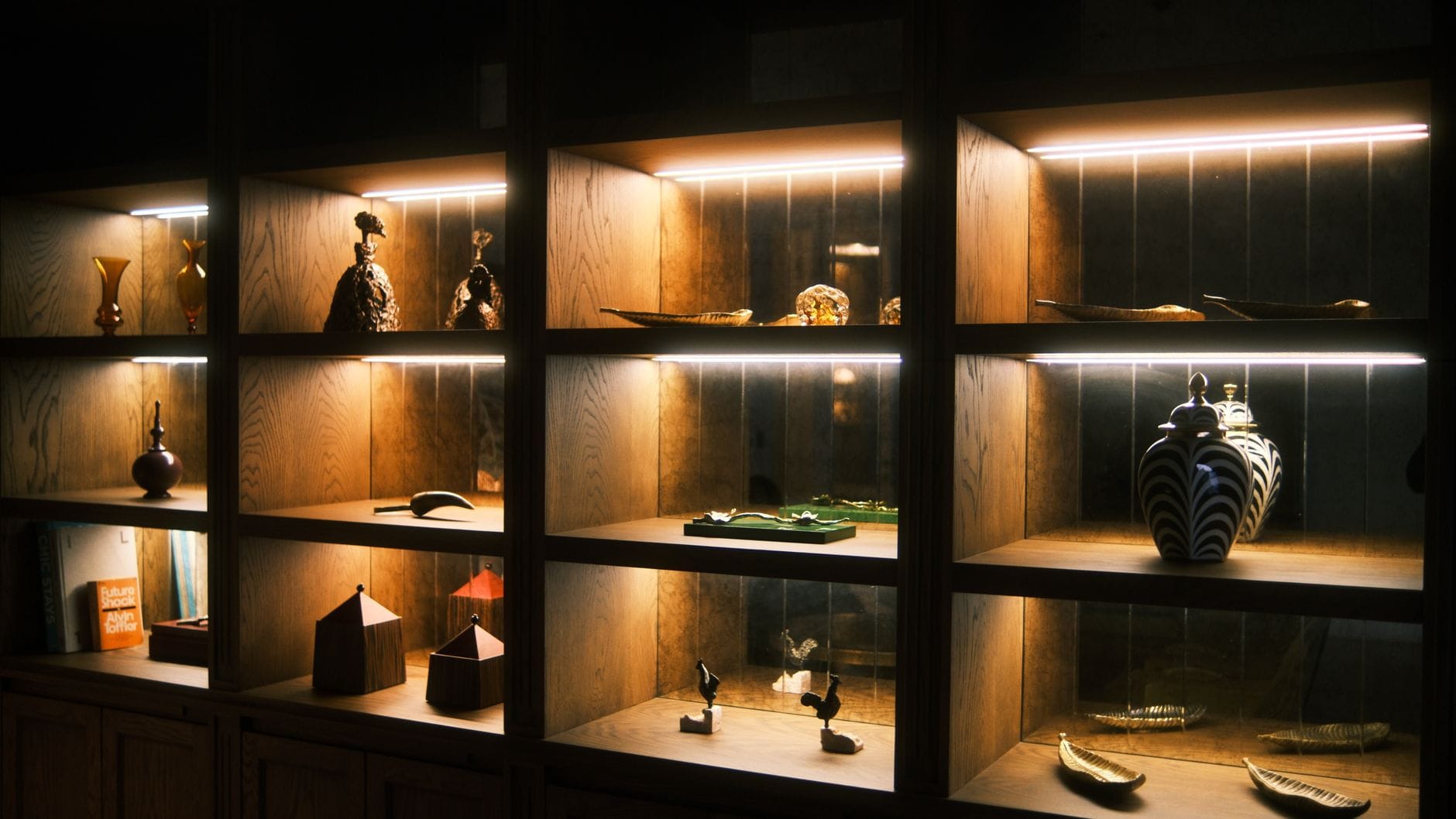
NADA's Heather Hubbs is expanding the 2026 fair's Asia-Pacific gallery representation. For regional family offices, NADA offers primary-market access to emerging artists before auction-house recognition — with documented 12–18% annualised returns in the sub-$100,000 segment.
NADA Art Fair and the Emerging-Art Investment Case for Asia-Pacific Allocators
The New Art Dealers Alliance (NADA) art fair has quietly built one of the most compelling track records in the emerging-art segment, and with the 2026 New York edition approaching, the organisation's executive director Heather Hubbs is making a pointed case for why institutional attention is warranted. Emerging and mid-career works acquired through dealer-led fairs like NADA have historically outpaced broader contemporary art indices in the sub-$50,000 price band, a segment where Asian family offices and private banks are increasingly allocating. According to the Art Basel and UBS Global Art Market Report 2024, sales of works priced below $50,000 accounted for 42% of total dealer transactions globally, with Asia-Pacific collectors representing the fastest-growing buyer cohort in that tier.
What Is NADA and How Does It Differ From Established Art Fairs?
Founded in 2002, NADA was established explicitly to counter the blue-chip dominance of fairs like Art Basel and Frieze by giving emerging dealers — many operating galleries for fewer than ten years — a credible platform with institutional legitimacy. Hubbs, who has led the organisation for over a decade, describes NADA's model as a deliberate inversion of the traditional art-market hierarchy: rather than spotlighting established names with secondary-market price histories, NADA curates galleries that are actively shaping the primary market for artists who have not yet reached auction-house radar. This structural positioning is significant for investors. Works acquired at NADA have subsequently appeared at Christie's, Sotheby's, and Phillips with notable appreciation; a 2023 internal study cited by Hubbs suggested that artists first shown through NADA-affiliated galleries achieved an average auction debut within six years of their fair appearance.
The fair's 2025 New York edition drew more than 120 galleries from 25 countries, with booth fees structured to remain accessible for smaller dealers — a deliberate policy that keeps the discovery pipeline genuine rather than performative. For investors, this matters because the cost basis for works acquired at NADA is typically well below secondary-market entry points for the same artists two to five years later. Hubbs has noted that the 2026 edition will expand its international gallery representation, with particular outreach to dealers from Southeast Asia and South Korea, a direct acknowledgment of where collector and institutional demand is migrating.
Why Does NADA Matter to Asia-Pacific Art Investors?
The Asia-Pacific art market reached an estimated $23.1 billion in total sales in 2023, according to Art Basel and UBS data, with Hong Kong consolidating its role as the region's primary auction hub despite post-pandemic headwinds. Singapore's art infrastructure has expanded significantly with the growth of Art SG and the S$532 million National Gallery ecosystem, while Bangkok and Seoul are emerging as serious primary-market centres. Against this backdrop, NADA's deliberate internationalisation strategy is not incidental — it reflects a calculated response to where the next generation of serious collectors is based. Hubbs has been explicit that NADA's 2026 programming will include works and galleries with direct Asia-Pacific provenance, creating an entry point for regional collectors to acquire at primary-market prices before these artists gain wider Western institutional recognition.
For family offices in Singapore, Hong Kong, and Tokyo that allocate 3–8% of alternative asset portfolios to art, the NADA model offers a structured discovery mechanism that reduces the information asymmetry typically associated with emerging-art acquisition. Unlike auction purchases, primary-market acquisitions through NADA galleries carry no buyer's premium overhead — typically 25–26% at major houses — and allow direct relationships with dealers who can provide provenance documentation, exhibition history, and resale guidance. The compounding effect of acquiring works early in an artist's career, particularly those with institutional exhibition trajectories, has produced annualised returns of 12–18% in documented cases tracked by the Mei Moses indices for the sub-$100,000 segment.
What the 2026 NADA Edition Signals for the Market
The 2026 NADA New York fair is scheduled to return to its established format with expanded programming including artist talks, collector dinners, and curated institutional tours designed to bridge the gap between commercial acquisition and museum-level validation. Hubbs has indicated that the fair will introduce a new section dedicated to galleries operating in markets outside the traditional Western art centres — a category that will prominently feature dealers from Seoul, Jakarta, and Singapore. This is a meaningful structural signal: when a fair of NADA's standing formalises Asia-Pacific representation as a distinct curatorial category, it accelerates the legitimisation of those markets in the eyes of Western institutional buyers, which in turn drives price appreciation for works already held by regional collectors.
The secondary market implications are equally significant. Works by artists who debuted through NADA-affiliated galleries and subsequently achieved museum acquisitions — including institutions like MoMA PS1, with which NADA has a longstanding curatorial relationship — have demonstrated consistent price floors that protect downside risk for early acquirers. For Asian allocators accustomed to the volatility of equity and crypto-adjacent alternatives, this combination of provenance security, relationship-based acquisition, and documented appreciation history positions NADA-sourced works as a credible portfolio component rather than a speculative bet.
Frequently Asked Questions
What is NADA and who participates in its art fair?
NADA, the New Art Dealers Alliance, is a non-profit organisation founded in 2002 to support emerging and independent art galleries. Its annual New York fair features over 120 galleries from more than 25 countries, focused on primary-market sales of works by emerging and mid-career artists.
How do NADA art fair acquisitions compare to auction purchases for investors?
Primary-market purchases through NADA galleries avoid the 25–26% buyer's premium charged at major auction houses. Early acquisition of works by artists who later achieve institutional recognition has produced documented annualised returns of 12–18% in the sub-$100,000 segment, according to Mei Moses index data.
Why is NADA relevant to Asia-Pacific collectors and family offices?
NADA's 2026 edition will expand representation from Southeast Asian and South Korean galleries, directly addressing the fastest-growing collector cohort in the sub-$50,000 price band. For Singapore, Hong Kong, and Tokyo-based family offices allocating 3–8% of alternatives to art, NADA provides a structured primary-market entry point with reduced information asymmetry.
What is the relationship between NADA and institutional art validation?
NADA has a longstanding curatorial relationship with MoMA PS1 and other major institutions. Artists who debut through NADA-affiliated galleries frequently achieve museum acquisitions within six years, which establishes price floors and supports secondary-market appreciation for early collectors.
How large is the Asia-Pacific art market and where is growth concentrated?
The Asia-Pacific art market reached an estimated $23.1 billion in total sales in 2023, per Art Basel and UBS data. Hong Kong remains the primary auction hub, while Singapore, Seoul, and Bangkok are growing as primary-market centres, supported by expanding gallery infrastructure and rising institutional collector activity.
💼 Exploring alternative asset allocation? Speak to Whisky Cask Club — Singapore's leading specialists in Scottish whisky cask investment.