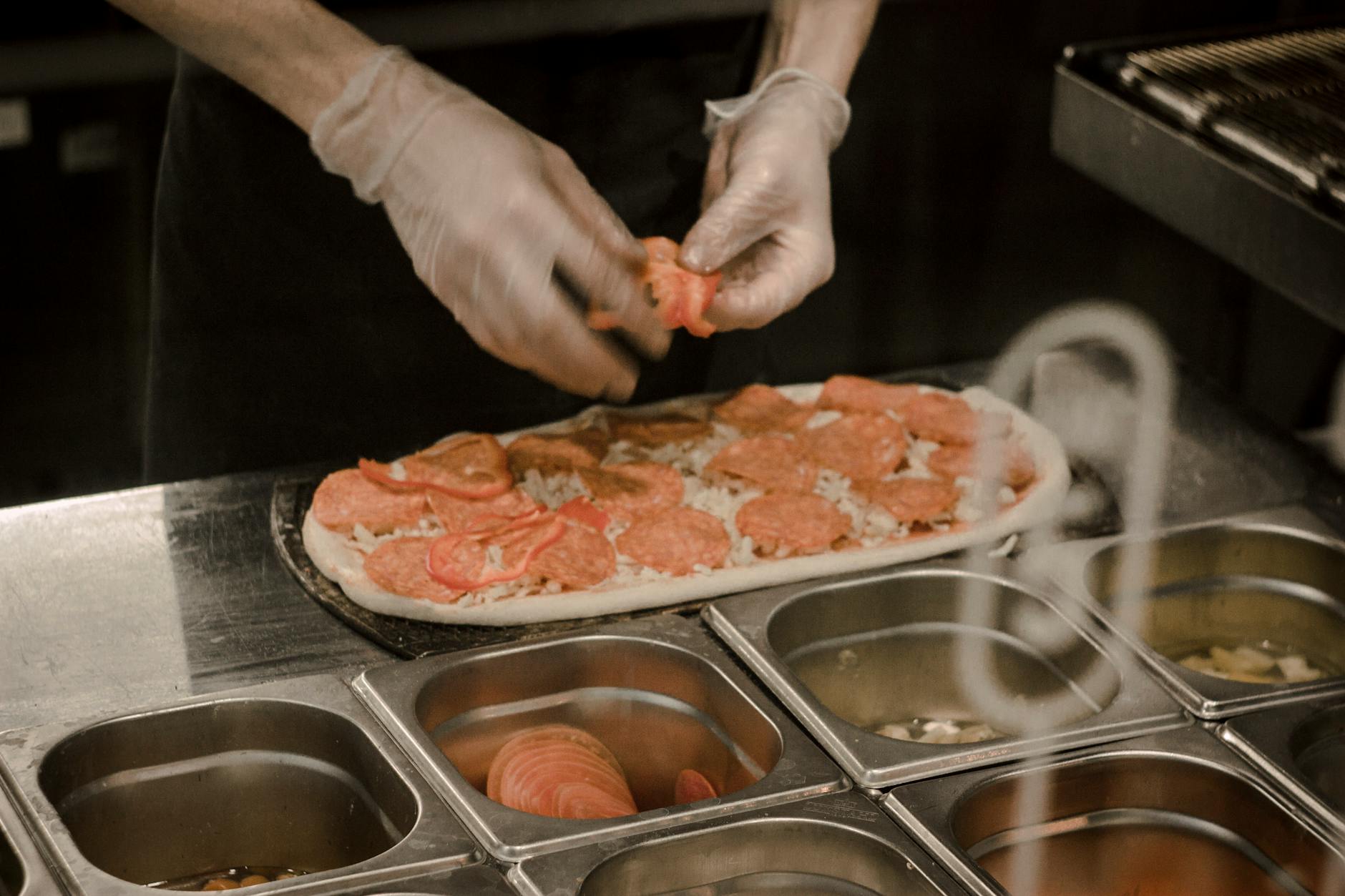
Pizza Studio Tamaki, one of Tokyo's top artisan pizzerias, opens in New York City on May 5. For Asia-Pacific investors, the expansion signals growing global appetite for Japanese-origin premium assets — from culinary brands to whisky casks and ceramics.
Pizza Studio Tamaki New York: Why Tokyo's Cult Pizzeria Expansion Is an Alternative Asset Signal Worth Reading
Pizza Studio Tamaki, widely regarded as one of Tokyo's most sought-after artisan pizza destinations, is opening its first United States location in New York City on May 5. For readers who track alternative asset flows out of Asia-Pacific, this is more than a restaurant story. Cross-border culinary brand expansions from Japan to the United States have historically preceded — and often catalysed — broader appetite among institutional and family office investors for Japan-origin experiential and lifestyle assets. The Japanese food and beverage sector attracted over ¥2.3 trillion in domestic investment in 2023, and its global export story is accelerating rapidly.
What Is Pizza Studio Tamaki and Why Does It Matter Beyond the Plate?
Pizza Studio Tamaki built its reputation in Tokyo on a rigorous, technique-driven approach to Neapolitan-style pizza, combining Japanese precision with imported Italian ingredients and locally sourced produce. The studio format — intimate, reservation-heavy, with limited daily covers — mirrors the scarcity model that has driven premium pricing in other Japanese experiential categories, from omakase dining to single-malt whisky. Scarcity engineering is a well-understood value driver in alternative assets, and Tamaki's operating model applies it with the same discipline seen in limited-edition Japanese whisky releases from distilleries such as Karuizawa or Hanyu.
The New York debut represents a calculated internationalisation play. Japanese F&B brands that have successfully crossed into the US market — including Ichiran, Ippudo, and Narisawa's consulting partnerships — have seen brand valuations appreciate significantly post-expansion. For investors tracking the broader Japan brand premium, Tamaki's move is a data point in a growing trend of Tokyo-origin concepts commanding global pricing power. New York rents in prime dining corridors currently run between $300 and $600 per square foot annually, meaning any operator choosing to enter this market is signalling genuine confidence in unit economics.
How Japanese Culinary Brands Are Performing as Investable Concepts
The intersection of Japanese culinary culture and alternative asset performance is no longer theoretical. Auction houses including Sotheby's and Bonhams have recorded consistent year-on-year growth in Japanese whisky lots, with rare bottles from closed distilleries achieving 400–900% appreciation over a decade. Japanese ceramics used in premium omakase settings have similarly entered the collectibles market, with Bizen and Hagi ware pieces tied to Michelin-starred restaurants fetching multiples of their original retail price at Hong Kong auction. The culinary brand itself — its reputation, its scarcity, its geographic exclusivity — functions increasingly like an intangible asset on a balance sheet.
Singapore and Hong Kong family offices have been quietly increasing allocations to Japan-origin tangible and experiential assets since 2021, partly as a hedge against regional currency volatility and partly because Japanese craftsmanship assets have demonstrated low correlation with public equity markets. The yen's extended weakness through 2023 and into 2024 made Japan-origin asset acquisition exceptionally attractive for USD- and SGD-denominated buyers, and that window, while narrowing, has not fully closed.
Venue Details and What to Expect at the New York Opening
- Opening date: May 5, New York City
- Concept: Artisan pizza studio, Tokyo-origin, limited-cover format
- Price range: Expected $25–55 per person based on comparable Tokyo pricing tiers
- Reservation model: Anticipated advance booking requirement, consistent with Tokyo operations
Pizza Studio Tamaki — New York City
📍 New York City, NY (exact address to be confirmed at launch)
⏰ Opening May 5 — check official channels for hours
🗺 View on Google Maps
The Asia-Pacific Investor Takeaway
The broader signal here for Asia-Pacific allocators is the continued globalisation of Japanese premium brand equity. Whether the asset class is whisky casks, ceramic art, vintage timepieces, or culinary concepts, Japanese origin increasingly commands a provenance premium that is recognised and priced by buyers in New York, London, and Singapore alike. Tamaki's New York opening is a small but illustrative example of how Japanese craft culture translates into durable international value — and why regional family offices are right to maintain active exposure to Japan-origin alternative assets across multiple categories.
For investors seeking a more directly investable expression of this thesis, Scottish whisky casks remain one of the most liquid and data-supported entry points in the broader craft spirits alternative asset space. The Scotch Whisky Association reported that the value of Scotch whisky exports reached £7.1 billion in 2022, and cask-level appreciation for well-selected single malts has averaged 10–15% per annum over rolling five-year periods according to specialist broker data. The Japan whisky premium has also lifted adjacent categories, as collectors who entered through Japanese bottles have migrated capital into Scotch and Irish casks as supply constraints in Japanese whisky production have intensified.
Frequently Asked Questions
What is Pizza Studio Tamaki and where is it originally from?
Pizza Studio Tamaki is a highly regarded artisan pizzeria based in Tokyo, Japan. It is known for its precision-driven approach to Neapolitan-style pizza, combining Japanese culinary technique with premium Italian and locally sourced ingredients. Its New York City location, opening May 5, marks its first international expansion.
Why is a Tokyo restaurant opening relevant to alternative asset investors?
Japanese culinary brand expansions into global markets are a useful proxy indicator for the broader internationalisation of Japan-origin premium assets. Investors tracking Japanese whisky, ceramics, and experiential brand equity use cross-border F&B moves as one signal among several when assessing the durability of Japanese provenance premiums in alternative asset categories.
How have Japanese-origin alternative assets performed recently?
Japanese whisky casks and rare bottles have delivered 400–900% appreciation over decade-long holding periods at major auction houses. Japanese ceramics tied to Michelin-starred restaurant culture have also entered the collectibles market with strong secondary pricing. Singapore and Hong Kong family offices have increased Japan-origin asset allocations since 2021, partly driven by yen weakness creating favourable entry points.
What alternative assets benefit from the Japanese craft premium?
The most directly investable categories include Japanese whisky casks and bottles, Japanese ceramics and lacquerware, vintage Japanese timepieces, and Japanese contemporary art. Scottish whisky casks are also benefiting indirectly, as collectors priced out of Japanese whisky supply have reallocated into Scotch single malt casks, supporting price appreciation across the broader craft spirits segment.
How can Asia-Pacific investors access whisky cask investments?
Specialist brokers operating out of Singapore, such as Whisky Cask Club, provide structured access to Scottish whisky cask acquisition, storage, and eventual sale or bottling. Cask investments are typically held for five to fifteen years, with appreciation driven by maturation, brand demand, and secondary market scarcity. Independent valuation and bonded warehouse storage are standard components of a professionally managed cask portfolio.
💼 Exploring alternative asset allocation? Speak to Whisky Cask Club — Singapore's leading specialists in Scottish whisky cask investment.