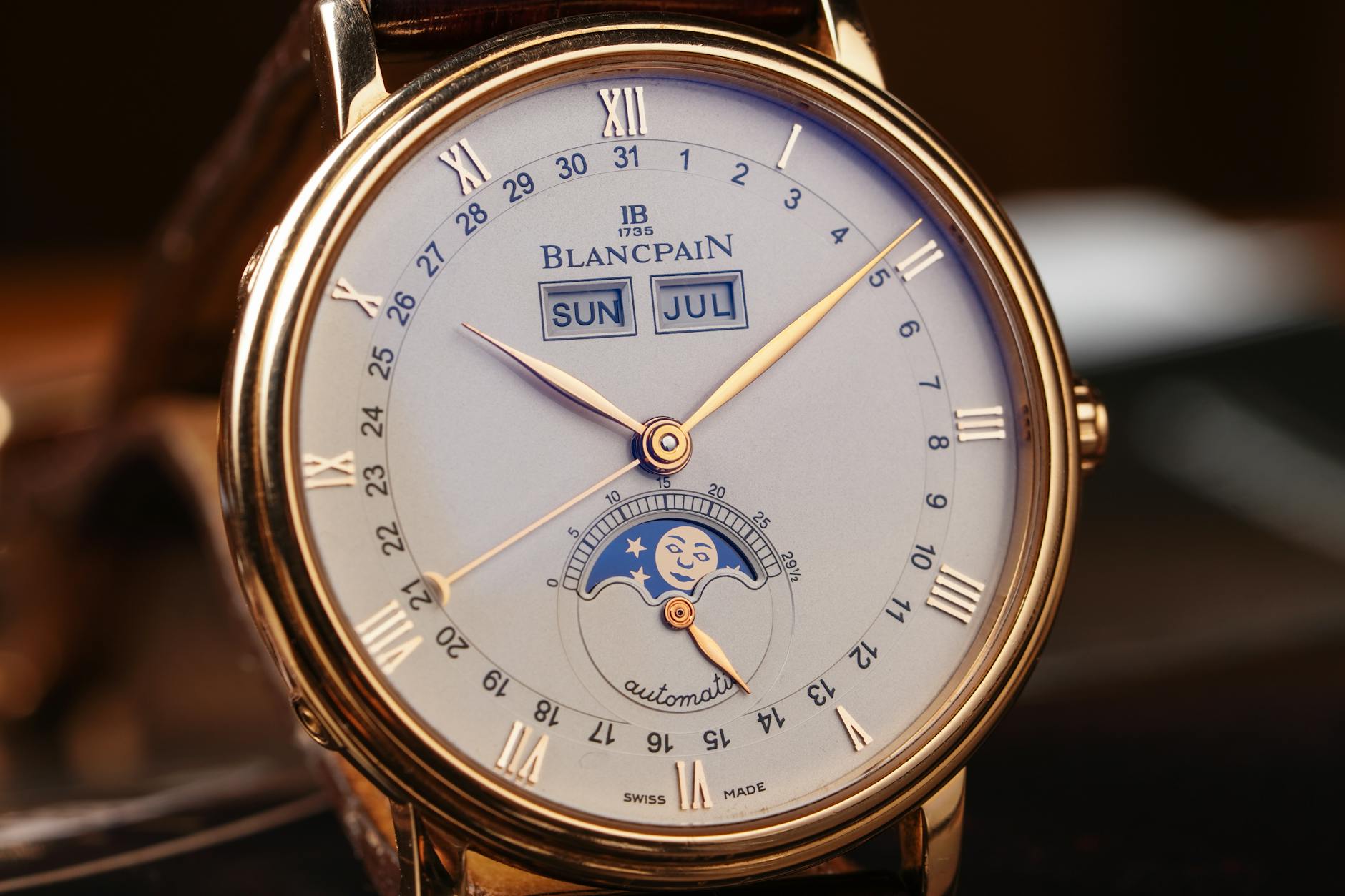
Fashion collaboration resale premiums have fallen from 80% above retail in 2021 to under 30% by 2023, signalling structural saturation. Asia-Pacific family offices are redirecting collectible allocations toward whisky casks, vintage watches, and fine art — asset classes with verifiable scarcity and stronger long-term appreciation data.
Why Fashion Collaboration Fatigue Matters to Alternative Asset Investors
The fashion collaboration model, once a genuine vehicle for cultural exchange and limited-edition scarcity, has become a volume play. In 2023, the global luxury goods market reached approximately USD 362 billion according to Bain & Company, yet resale premiums on streetwear and designer collaborations have compressed sharply. StockX data shows that average resale premiums on hyped sneaker collaborations fell from a peak of roughly 80% above retail in 2021 to under 30% by late 2023 — a structural deterioration that mirrors what happens when any asset class is over-issued. For Asia-Pacific family offices and private bankers who had begun treating limited-edition fashion drops as a peripheral allocation, that compression is a clear signal to reassess.
The mechanics are straightforward. When Supreme x Louis Vuitton launched in 2017, secondary market prices reached three to four times retail within weeks. By contrast, the wave of collaborations that followed — involving dozens of luxury houses partnering with sportswear labels, fast-fashion platforms, and even convenience store chains — generated diminishing secondary market returns with each successive cycle. The scarcity premium, which is the foundational driver of collectible asset value, has been systematically diluted by overproduction and artificial urgency.
How Asia-Pacific Buyers Are Repositioning Their Collectible Allocations
Hong Kong and Singapore have historically been among the most active secondary markets for limited-edition fashion, with buyers in both cities accounting for a disproportionate share of global resale volume on platforms like Goat and StockX. Yet auction house data from Christie's and Sotheby's Hong Kong tells a more nuanced story: while fashion lot volumes at auction have plateaued, watches, whisky, and fine wine continue to attract aggressive bidding from regional collectors. At Sotheby's Hong Kong in 2023, a single Patek Philippe Ref. 2499 sold for HKD 17.8 million, while rare Scotch whisky lots — including Macallan 1926 expressions — achieved prices that exceeded pre-sale estimates by 20 to 35%.
Japanese buyers, long sophisticated participants in both fashion and alternative collectibles, have accelerated their shift toward whisky casks in particular. The domestic Scotch whisky cask market in Japan has grown at an estimated compound annual rate of 12% since 2019, driven partly by yen depreciation making sterling-denominated Scottish casks a natural currency hedge. Singapore-based family offices, meanwhile, have been increasing whisky cask allocations as part of broader passion asset sleeves, with some multi-family offices in the city-state now reporting passion asset allocations of 5 to 8% of total AUM — a figure that was closer to 2% five years ago.
What the Collaboration Saturation Model Reveals About Scarcity as an Asset Driver
The core lesson from the fashion collaboration collapse is one that any seasoned alternative asset allocator already understands: manufactured scarcity erodes over time, while genuine scarcity compounds. A whisky cask distilled in 1989 cannot be replicated. A vintage Rolex Daytona ref. 6263 in original condition exists in a finite and diminishing supply. A first-edition Zao Wou-Ki canvas from his 1950s Paris period will never increase in number. These are the characteristics that separate investable collectibles from consumer products dressed in limited-edition packaging.
The fashion industry's structural problem is that the collaboration model was always a marketing mechanism first and a value-creation mechanism second. Luxury houses partnered with streetwear brands to access younger demographics; sportswear labels partnered with high fashion to elevate brand positioning. The collector was a secondary consideration. By contrast, the whisky cask market operates on a fundamentally different logic: time, oak interaction, and evaporation losses — the so-called angel's share of roughly 2% per year — create genuine, irreversible scarcity that no marketing department can manufacture or reverse.
Where Asia-Pacific Collectors Are Finding Durable Value
The Knight Frank Luxury Investment Index, which tracks ten passion asset categories, showed whisky appreciating 373% over the decade to 2022 — the strongest performance of any category tracked, outpacing art, wine, watches, and classic cars over that period. While more recent data shows some moderation following the 2022 peak, Scotch whisky casks at the distillery level — particularly from Speyside and Highland producers with established secondary market demand in Asia — continue to offer entry points that secondary market buyers in Hong Kong, Singapore, and Tokyo find compelling relative to compressed fashion resale margins.
For private bankers advising ultra-high-net-worth clients across the region, the exhaustion of the fashion collaboration model is less a cultural observation than a portfolio reallocation signal. Capital that was parked in limited-edition fashion as a quasi-alternative asset is looking for a new home. The candidates with the strongest fundamentals — verifiable provenance, genuine scarcity, and growing Asia-Pacific demand — remain whisky casks, vintage watches, and museum-quality art. The fashion collaboration cycle has simply accelerated the timeline on which serious investors are making that migration.
Frequently Asked Questions
Why have fashion collaboration resale premiums declined so sharply since 2021?
The primary driver is oversupply. The number of major fashion collaborations launched annually has increased dramatically since 2018, reducing the genuine scarcity that underpins secondary market premiums. When every major luxury house and sportswear brand is running multiple collaborations per season, the limited-edition narrative loses credibility with sophisticated buyers, and resale premiums compress accordingly.
How does whisky cask investment compare to fashion collectibles as an alternative asset?
Whisky casks offer genuine, time-locked scarcity that fashion collaborations cannot replicate. The angel's share — approximately 2% annual volume loss through evaporation — combined with the fixed production date of any given cask creates a supply curve that only moves in one direction. Knight Frank data shows whisky appreciated 373% over the decade to 2022, significantly outperforming most fashion collectible categories over the same period.
Which Asia-Pacific markets are most active in whisky cask investment?
Japan, Singapore, and Hong Kong are currently the most active Asia-Pacific markets for Scotch whisky cask investment. Japanese buyers have been particularly active since 2022, partly as a sterling-denominated hedge against yen depreciation. Singapore-based family offices have increased passion asset allocations — including whisky casks — from approximately 2% to 5-8% of AUM over the past five years.
What should a family office consider before allocating to whisky casks?
Key due diligence factors include distillery reputation and secondary market demand, cask type and age profile, storage costs and bonded warehouse arrangements, and exit liquidity pathways including bottling, private sale, or auction. Working with a specialist broker with verified relationships across Scottish distilleries and established Asia-Pacific buyer networks is essential for both entry pricing and eventual realisation.
Is the vintage watch market facing similar saturation risks to fashion collaborations?
The vintage watch market faces different dynamics. While new watch releases from major houses have increased in volume, the vintage segment — particularly pre-1990 Rolex, Patek Philippe, and Audemars Piguet references in original condition — is governed by genuinely finite supply. Auction results at Christie's and Sotheby's Hong Kong continue to demonstrate strong demand from Asian collectors for authenticated vintage pieces, though buyers should distinguish carefully between the primary and secondary markets.
💼 Exploring alternative asset allocation? Speak to Whisky Cask Club — Singapore's leading specialists in Scottish whisky cask investment.