The Porsche Cayenne Coupé Electric enters Asia-Pacific markets where first-generation Porsche EVs have commanded 15–30% secondary premiums. For family offices with a five-to-seven-year horizon, early allocation units represent a credible hard asset within a diversified passion portfolio.
Porsche Cayenne Coupé Electric: A New Benchmark for Collector-Grade EVs in Asia
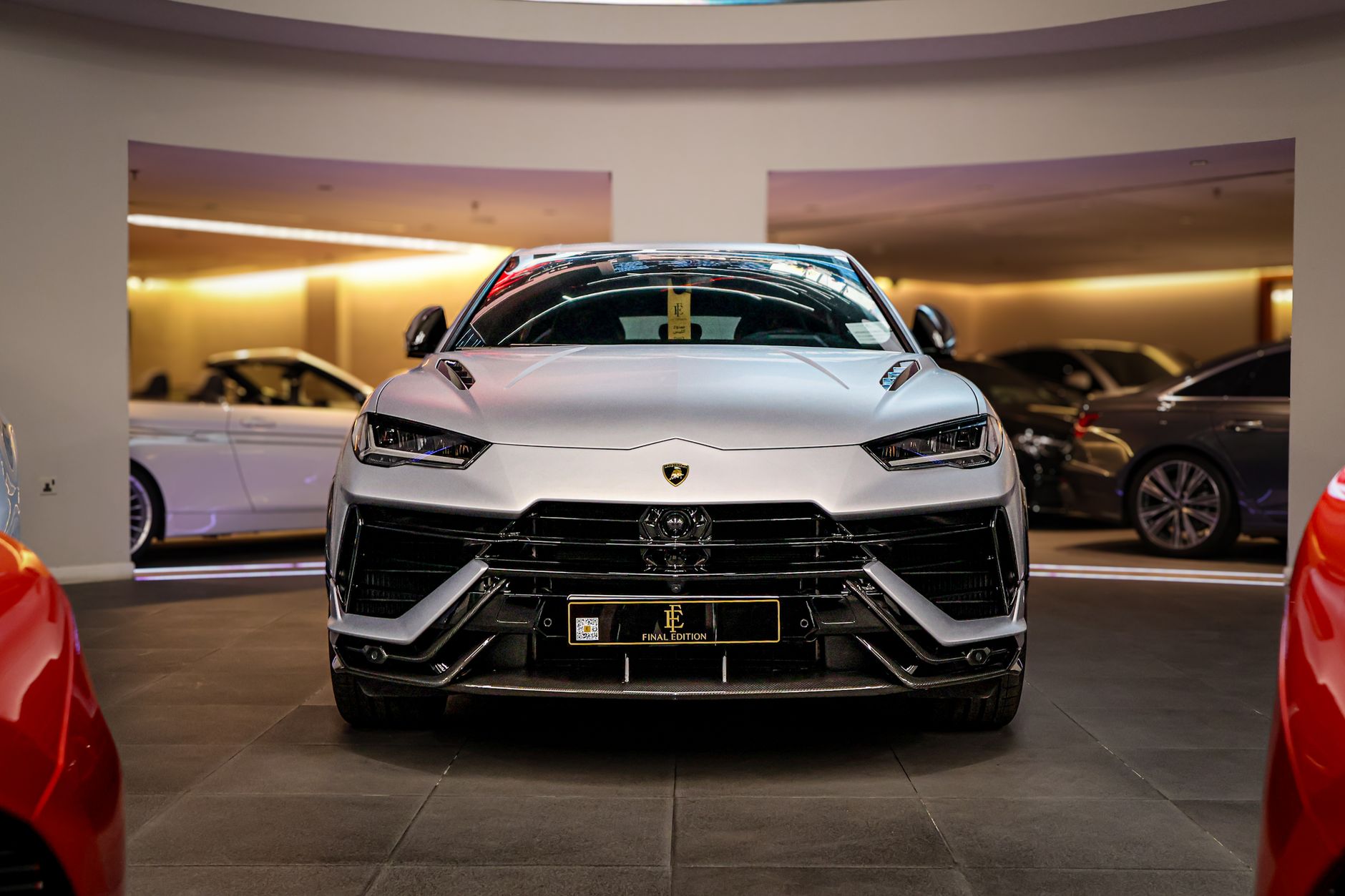
The Porsche Cayenne Coupé Electric arrives at a moment when high-performance electric vehicles are increasingly being evaluated not just as transportation, but as tangible alternative assets. Limited-production Porsche models have demonstrated consistent residual value strength in Asia-Pacific secondary markets, with low-mileage Taycan Turbos and early 911 GT variants commanding premiums of 15–30% above list price at Hong Kong and Singapore auction houses over the past three years. Against that backdrop, the Cayenne Coupé Electric — merging the marque's iconic SUV stance with a fastback roofline and full electrification — enters a regional market primed for both emotional and financial appetite.
For family offices and private wealth managers in Singapore, Hong Kong, and Tokyo who already hold classic cars as a portfolio allocation, the question is not whether to notice this launch, but whether to position ahead of the inevitable scarcity premium that attaches to first-generation Porsche electric models once production cycles close.
What the Cayenne Coupé Electric Brings to the Market
Porsche has engineered the Cayenne Coupé Electric on a dedicated electric platform, departing from the internal-combustion architecture that underpinned previous Cayenne generations. The vehicle pairs a dual-motor all-wheel-drive configuration with an 800-volt charging architecture — the same voltage topology used in the Taycan — enabling rapid charge cycles that reduce ownership friction considerably. Performance figures place the top-specification variant at a sub-four-second 0–100 km/h sprint, positioning it squarely against the Audi RS e-tron GT and BMW iX M60 in the performance EV segment.
Critically for the collector thesis, Porsche has historically constrained initial allocation of flagship variants to established dealer relationships, meaning early production units in markets like Japan and Singapore will carry an inherent scarcity premium. Porsche's Asia-Pacific allocation for the standard Cayenne Coupé has historically represented roughly 18–22% of global production, and industry observers expect the electric variant to face similar or tighter constraints given battery supply considerations. That supply-demand imbalance is precisely the condition that has driven appreciation in first-year Taycan Turbo S units, several of which changed hands in Hong Kong in 2023 at premiums exceeding HKD 400,000 above sticker.
Why Asia-Pacific Demand Is the Decisive Variable
Mainland Chinese, Hong Kong, and Singaporean buyers have consistently been among the most aggressive acquirers of limited Porsche variants. Data from Knight Frank's 2024 Wealth Report indicated that passion assets — a category encompassing classic cars, watches, and wine — grew 7% in value globally, with Asian collectors disproportionately active in the sub-USD 500,000 vehicle segment. The Cayenne Coupé Electric, expected to be priced in the SGD 450,000–600,000 range depending on specification, sits precisely within that bracket.
Japan presents a separate but equally compelling angle. The Japanese domestic market has shown sustained appreciation for low-volume European performance EVs, with Tokyo-based auction platform USS recording a 22% year-on-year increase in European EV lots in 2023. Thai high-net-worth buyers, meanwhile, have been expanding exposure to European performance vehicles as Bangkok's EV infrastructure matures, supported by government incentives that reduce import duty friction on vehicles below specific emission thresholds. Porsche's timing is deliberate: the Cayenne Coupé Electric launches into a regional environment where regulatory tailwinds and cultural appetite for the brand are simultaneously peaking.
The Investment Mechanics Behind First-Generation EV Appreciation
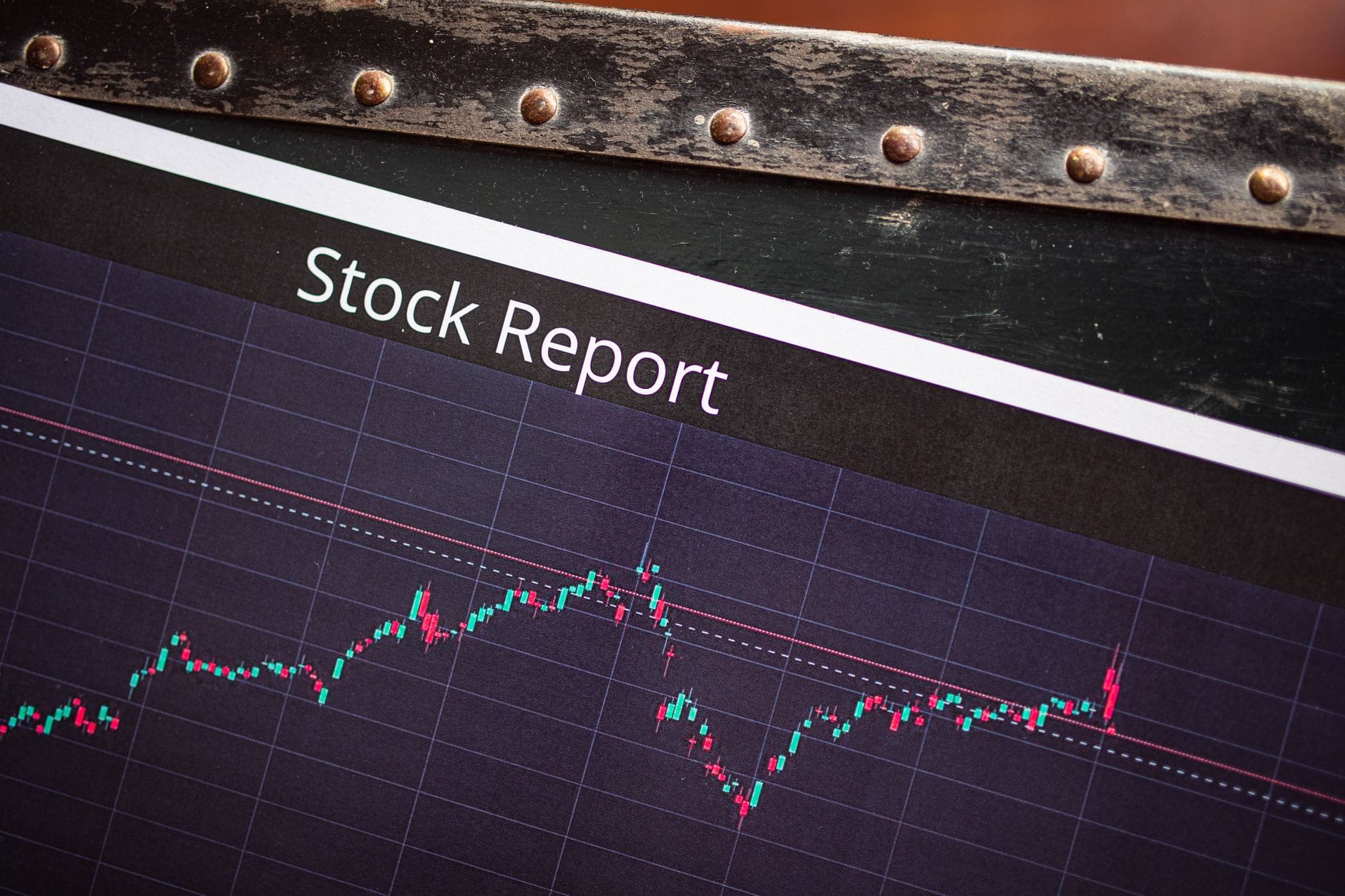
Collector-grade appreciation in modern Porsche models follows a recognisable pattern. First-generation production runs of a new platform — the 996-generation 911, the first Cayenne, the original Taycan — typically experience an initial depreciation curve followed by a sharp recovery once the model is discontinued and low-mileage examples become scarce. The Taycan provides the most instructive recent precedent: base models depreciated 20–25% in their first two years before stabilising, while Turbo S Cross Turismo variants in pristine condition have already begun recovering toward original list price in Singapore's grey market.
For investors considering the Cayenne Coupé Electric as a hard asset, the calculus involves acquisition price, storage and maintenance costs, and the expected holding period before collector premiums materialise. Industry specialists suggest a minimum five-to-seven-year horizon for first-generation EV models to establish secondary market scarcity, a timeline that aligns well with the medium-duration allocation strategies favoured by Singapore and Hong Kong family offices. The key risk factor remains battery technology obsolescence — a concern that applies less forcefully to Porsche, whose 800-volt architecture is expected to remain relevant across the decade.
Frequently Asked Questions
Is the Porsche Cayenne Coupé Electric a viable alternative asset for Asian investors?
For investors with a five-to-seven-year horizon and existing exposure to passion assets, first-generation Porsche electric models have demonstrated a credible appreciation pattern. The Cayenne Coupé Electric's limited early allocation and strong regional brand equity in Asia-Pacific make it a defensible hard asset, though it should represent a small satellite allocation rather than a core holding.
How does Asia-Pacific allocation affect the scarcity premium on this model?
Porsche's regional allocation for flagship Cayenne variants has historically been constrained to 18–22% of global production. Combined with high local demand in Singapore, Hong Kong, and Japan, this creates the supply-demand imbalance that has historically driven secondary market premiums on first-year Porsche models — sometimes exceeding 15–30% above list price for low-mileage examples.
What is the expected price range for the Cayenne Coupé Electric in Singapore?
Industry estimates place the Singapore market price in the SGD 450,000–600,000 range depending on specification and COE costs at time of registration. Top-specification variants with performance packages are likely to command the highest secondary market premiums over time.
How does the Cayenne Coupé Electric compare to the Taycan as a collector vehicle?
The Taycan provides the closest precedent. Base Taycan models depreciated 20–25% initially before stabilising, while Turbo S variants in low-mileage condition have begun recovering toward original list price in Singapore's grey market. The Cayenne Coupé Electric benefits from broader SUV demand, which may compress the initial depreciation curve relative to the Taycan sedan.
What are the primary risks in treating the Cayenne Coupé Electric as an investment?
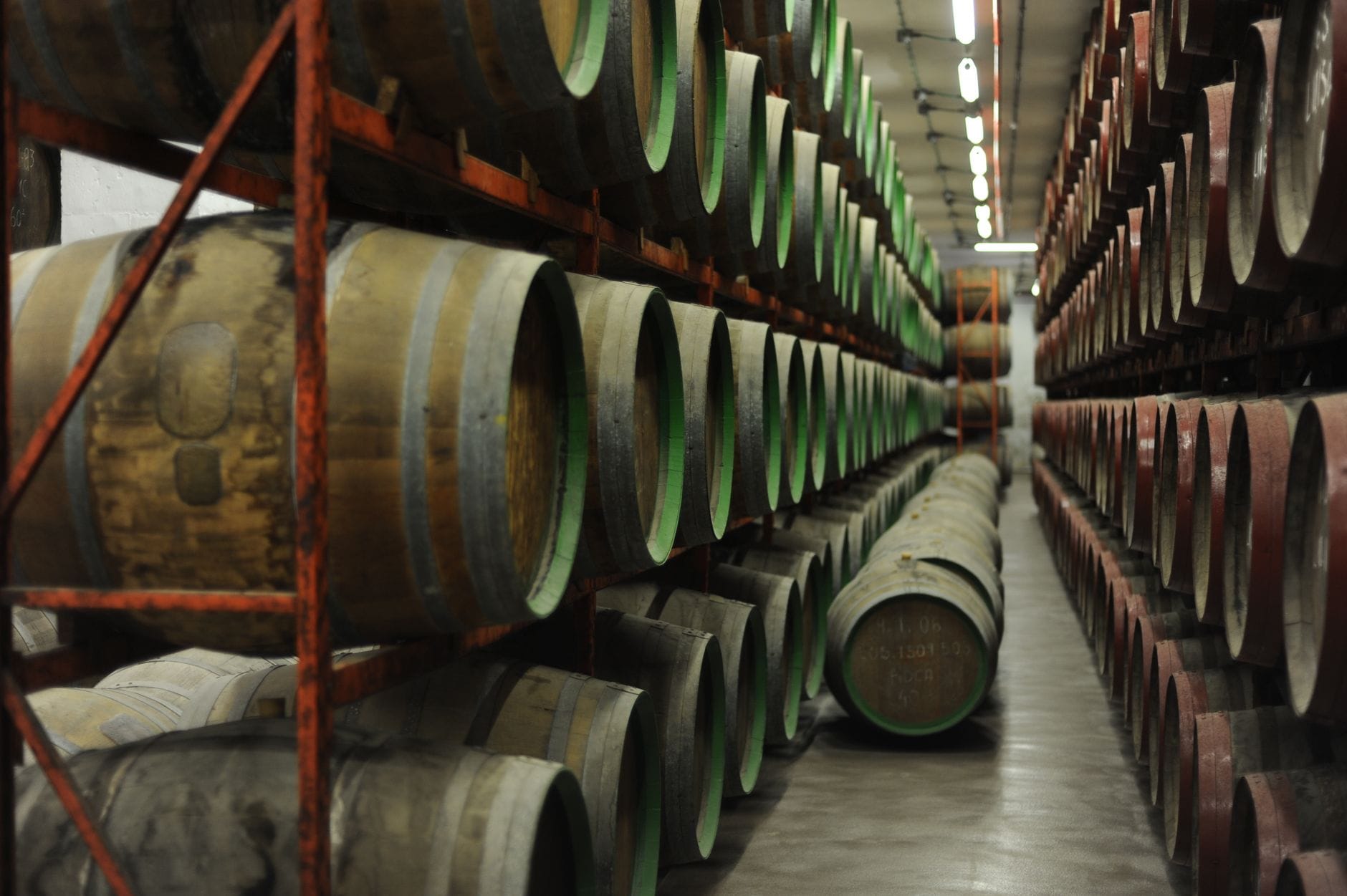
Battery technology obsolescence, evolving EV regulations, and the relatively long holding period required for collector premiums to materialise are the primary risks. Investors should also account for storage, insurance, and maintenance costs when modelling total return. The vehicle should be considered alongside more liquid passion assets such as whisky casks, fine wine, or watches within a diversified alternative allocation.
💼 Exploring alternative asset allocation? Speak to Whisky Cask Club — Singapore's leading specialists in Scottish whisky cask investment.