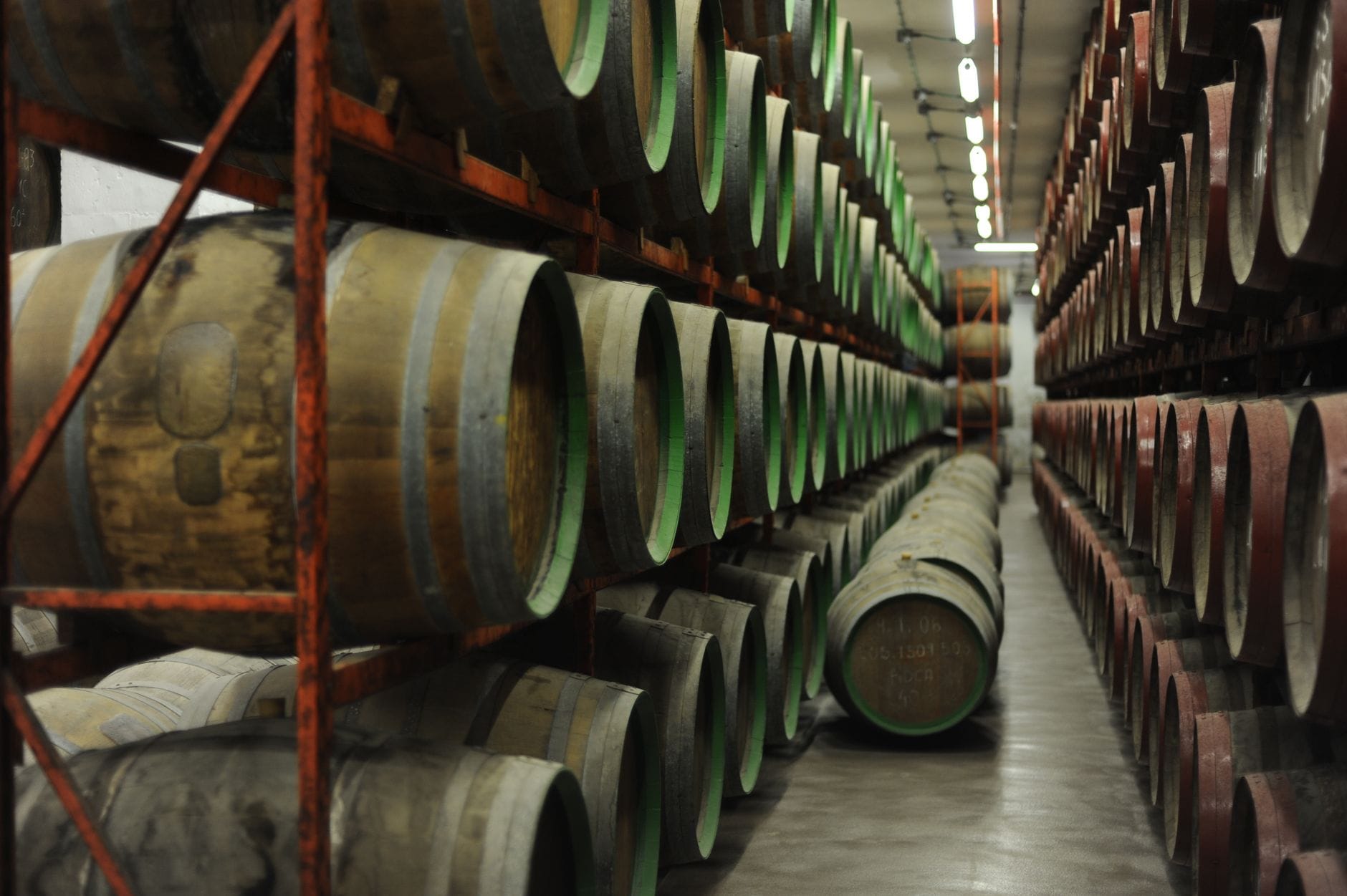
Prosperity Wealth Management has merged five RIAs to reach $4.7B AUM, adding $1.8B in assets. For Asia-Pacific investors, this consolidation signals growing institutional demand for tangible alternatives like whisky casks, wine, and art, with Singapore well-positioned to capture cross-border allocation flows.
RIA Consolidation Signals Shifting Appetite for Alternative Asset Allocation
The registered investment adviser industry in the United States is consolidating at a pace that carries direct implications for how large pools of managed capital are being repositioned — and alternative assets are increasingly at the centre of that repositioning. Prosperity Wealth Management has completed the simultaneous merger of five independent advisory firms, bringing its total assets under management to $4.7 billion and adding approximately $1.8 billion in new AUM in a single transaction. The firms absorbed into Prosperity include JL Smith Holistic Wealth Management, Alison Wealth Management, OneTeam Financial, Hammer Financial Group, and FSC Wealth Advisors. For Asia-Pacific family offices and private bankers monitoring capital flows into tangible assets, this kind of aggregation event is a leading indicator of where institutional-grade allocation interest is heading next.
Why RIA Consolidation Matters to Alternative Asset Markets
When advisory platforms scale rapidly through mergers, the resulting entity typically moves away from vanilla 60/40 portfolios toward diversified alternatives to justify its expanded infrastructure and differentiate its offering. At the $4.7 billion AUM level, Prosperity now sits comfortably within the bracket of firms that routinely allocate between 10% and 20% of client portfolios to non-correlated assets — a range that, across the platform, could represent between $470 million and $940 million directed toward real assets, private credit, collectibles, and passion investments. The five firms joining Prosperity each brought their own client demographics and investment mandates, but the combined entity will need to rationalise those mandates under a unified strategy that favours scale-friendly, institutional-quality alternatives.
The timing of this consolidation is not incidental. U.S. wealth managers are under sustained pressure from fee compression in traditional asset management, and the search for yield in a structurally lower-return environment has pushed even mid-market RIAs to explore categories once reserved for endowments and sovereign wealth funds. Whisky casks, fine wine, rare watches, blue-chip art, and classic automobiles have all posted compelling appreciation figures over the past five years, with the Knight Frank Luxury Investment Index recording double-digit annualised returns across several of these categories. That data is landing on the desks of compliance and investment committees at firms exactly like the newly enlarged Prosperity.
Asia-Pacific Demand Is Reshaping the Supply Side of Collectible Assets
From Singapore to Tokyo, the appetite for tangible alternative assets among high-net-worth and ultra-high-net-worth investors has accelerated sharply since 2021. Hong Kong auction houses recorded combined sales of over $700 million in wine and spirits alone during 2023, with Scotch whisky casks emerging as a particularly liquid and traceable sub-category. Singapore-based family offices, many of which relocated from Hong Kong following regulatory changes, have been actively building allocations in whisky casks as a sterling-denominated, non-correlated store of value with a documented appreciation track record. The Scotch Whisky Association confirmed that the value of Scotch exports reached £6.0 billion in 2022, underpinning the fundamental demand thesis that supports cask valuations at the production level.
Japanese collectors, long respected as the world's most discerning buyers of aged single malts, have also begun treating cask ownership as a portfolio strategy rather than a connoisseurship pursuit. Thai and Indonesian family offices are following a similar trajectory, driven partly by currency diversification motives and partly by the finite supply dynamics of aged Scotch. When a cask of 1990-vintage Speyside single malt appreciates at a compound annual rate of 12% to 15% over a decade, it competes credibly with private equity on a risk-adjusted basis — without the J-curve, lock-up complexity, or GP fee drag.
What the Prosperity Merger Signals for Cross-Border Allocation Flows
The construction of a $4.7 billion RIA through five simultaneous mergers is a structural signal, not an isolated corporate event. It reflects the broader institutionalisation of wealth management and the growing demand from clients — including diaspora Asian-American investors with strong ties to Asia-Pacific markets — for access to alternative assets that carry cultural resonance as well as financial merit. Whisky, wine, and art occupy that intersection precisely. As U.S.-based RIAs at Prosperity's scale begin building out their alternatives infrastructure, they will increasingly look to partner with specialist platforms in Singapore and Hong Kong that can provide sourcing, custody, and exit liquidity for tangible assets. That creates a meaningful opportunity for Asia-Pacific-based alternative asset managers to position themselves as preferred counterparties in cross-border allocation conversations.
For regional private bankers, the takeaway is clear: consolidation at the RIA level in the United States is accelerating the institutionalisation of alternative assets globally. The firms that can demonstrate provenance, price transparency, and secondary market liquidity — qualities that whisky cask specialists in Singapore have spent years building — will be best placed to capture inflows from newly scaled advisory platforms seeking differentiated, non-correlated return streams for their clients.
Frequently Asked Questions
What is the significance of Prosperity's $4.7 billion AUM milestone for alternative asset investors?
At $4.7 billion in AUM, Prosperity enters a tier of RIAs that typically allocate a meaningful percentage of client assets to alternatives. Even a conservative 10% allocation across the platform represents $470 million in potential demand for non-correlated assets, including tangible alternatives like whisky casks, fine wine, and art — categories that have posted strong appreciation data over the past decade.
How does RIA consolidation in the U.S. affect alternative asset markets in Asia-Pacific?
Larger RIAs have the compliance infrastructure and client sophistication to access alternative asset categories that smaller firms cannot. As these platforms scale, they seek specialist partners in Asia-Pacific markets — particularly Singapore and Hong Kong — for sourcing and custody of tangible assets. This creates cross-border allocation flows that benefit regional alternative asset managers and auction markets.
Why are whisky casks considered a credible institutional alternative asset?
Scotch whisky casks offer a combination of finite supply, documented price appreciation, sterling denomination, and physical traceability that appeals to institutional allocators. With compound annual appreciation rates of 12% to 15% for premium aged casks, and a global export market valued at £6.0 billion, the asset class carries the fundamental demand thesis that institutional due diligence requires.
Which Asia-Pacific markets are most active in whisky cask investment?
Singapore-based family offices have emerged as among the most active buyers of Scotch whisky casks, partly for currency diversification and partly for non-correlated returns. Hong Kong, Japan, Thailand, and Indonesia are also active, with Japanese collectors in particular bringing deep expertise in aged single malt valuation that supports a sophisticated secondary market.
How should a family office evaluate whisky cask allocation within a broader alternatives portfolio?
A family office should assess whisky cask allocation on the basis of provenance documentation, distillery reputation, age statement trajectory, storage costs, and exit liquidity options. Casks from established Speyside and Highland distilleries with strong secondary market demand offer the most defensible risk-adjusted return profile. Allocation sizes of 2% to 5% of the alternatives sleeve are typical for first-time entrants.
💼 Exploring alternative asset allocation? Speak to Whisky Cask Club — Singapore's leading specialists in Scottish whisky cask investment.