The Baltic Dry Index shows a freight rate correction, with structural demand for smaller bulk commodities. Malacca Strait trade flows and palm oil trade finance shifts reveal evolving credit and geopolitical risks, offering signals for shipping and trade finance investors.
The Baltic Dry Index has never been a comfortable instrument for the uninitiated. It swings without warning, responds to forces as disparate as Chinese steel output and monsoon rainfall in the Bay of Bengal, and carries the peculiar distinction of being both a lagging and a leading indicator depending on how you hold it up to the light. But for those paying attention in April 2026, it is telling a rather specific story.
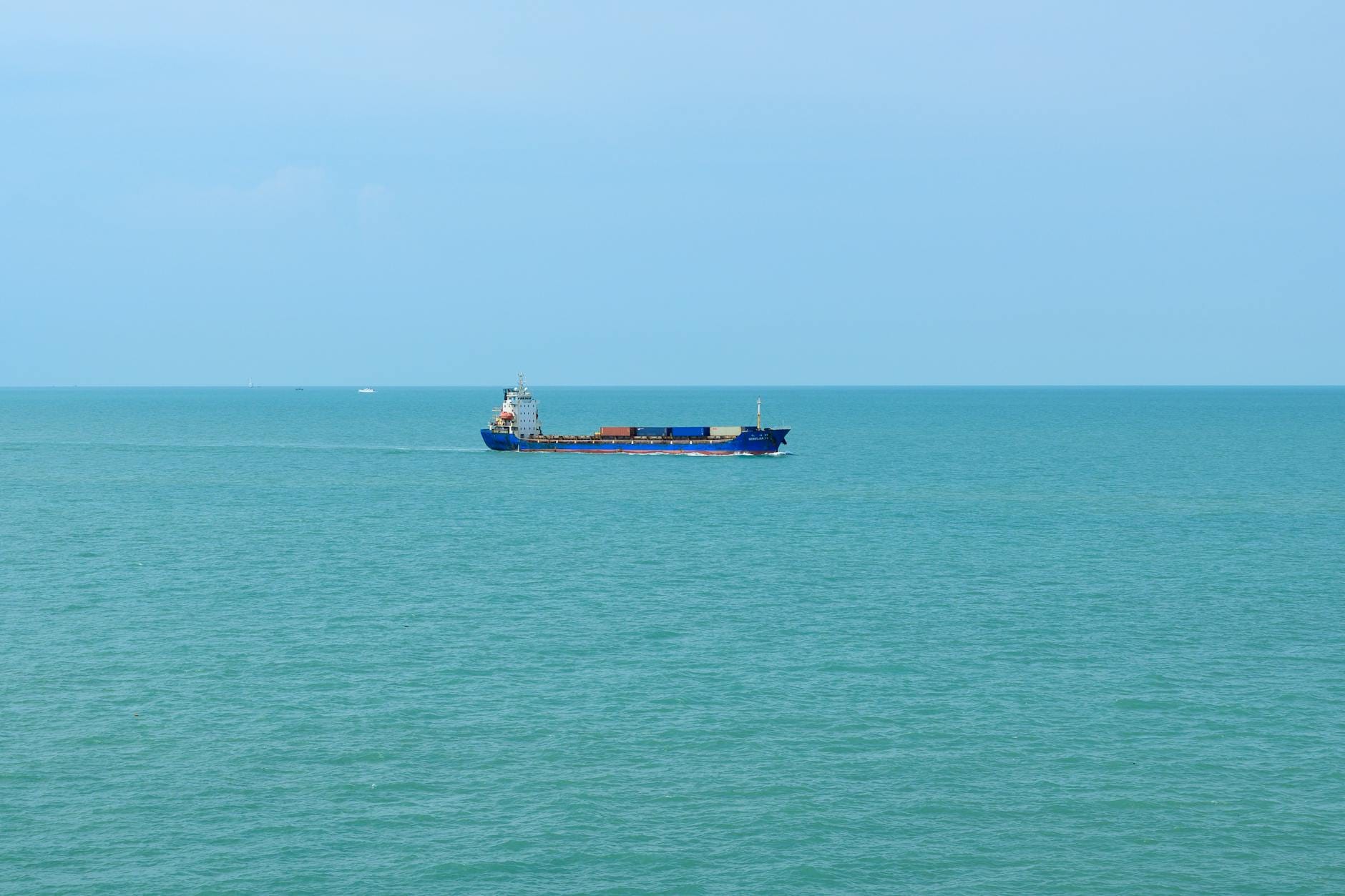
Bulk freight rates have softened over the past six weeks — a correction from the January spike driven largely by pre-tariff grain and coal stockpiling across Southeast Asia. The Capesize segment has borne the brunt of the pullback, while Supramax vessels, workhorses of the palm oil and fertiliser routes, have held more steadily. That divergence matters. It suggests demand for smaller parcel sizes — agricultural commodities, minor bulks — remains structurally intact even as the mega-vessel market digests an oversupply of newbuilds delivered in late 2025.
The Malacca Bottleneck Repriced
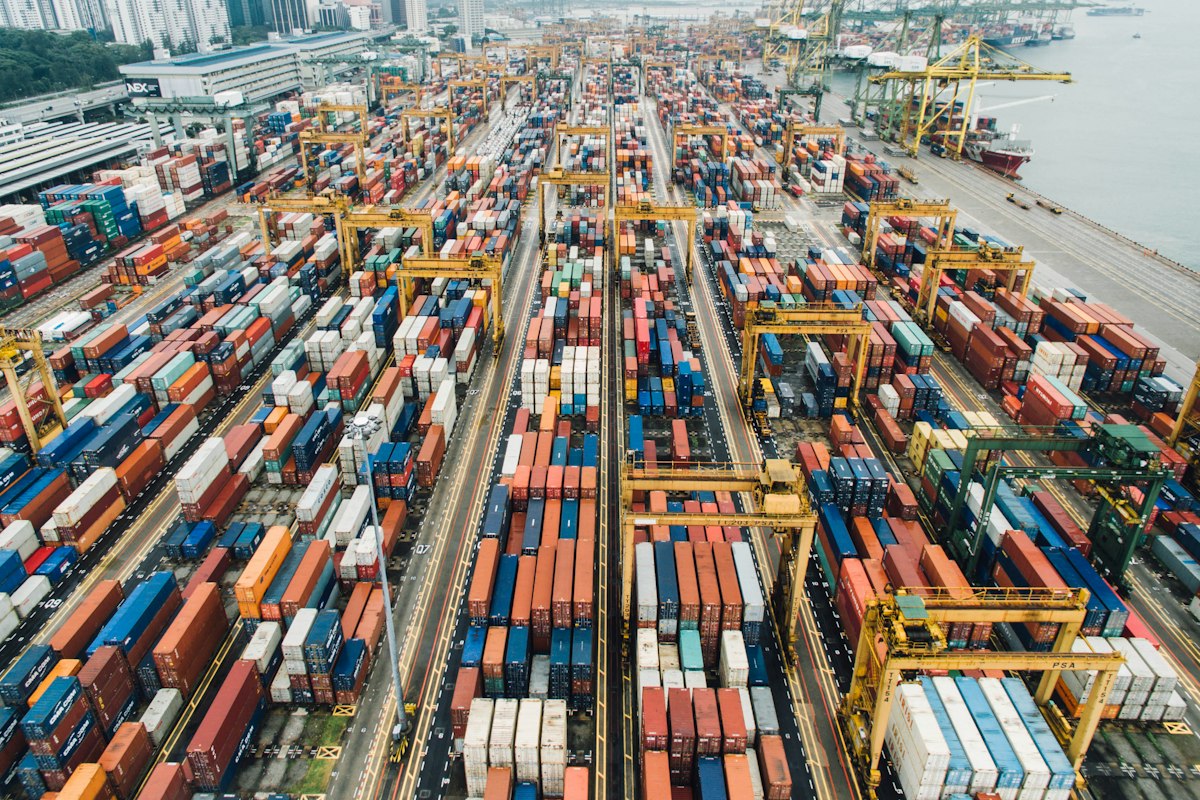
Any honest analysis of Asian trade flows cannot ignore the Strait of Malacca. Roughly 40% of the world's seaborne trade transits this 2.7-kilometre-wide passage annually, and the dynamics at either end — Indian Ocean supply chains feeding in from the west, South China Sea demand pulling from the east — have rarely been more complex than they are now.
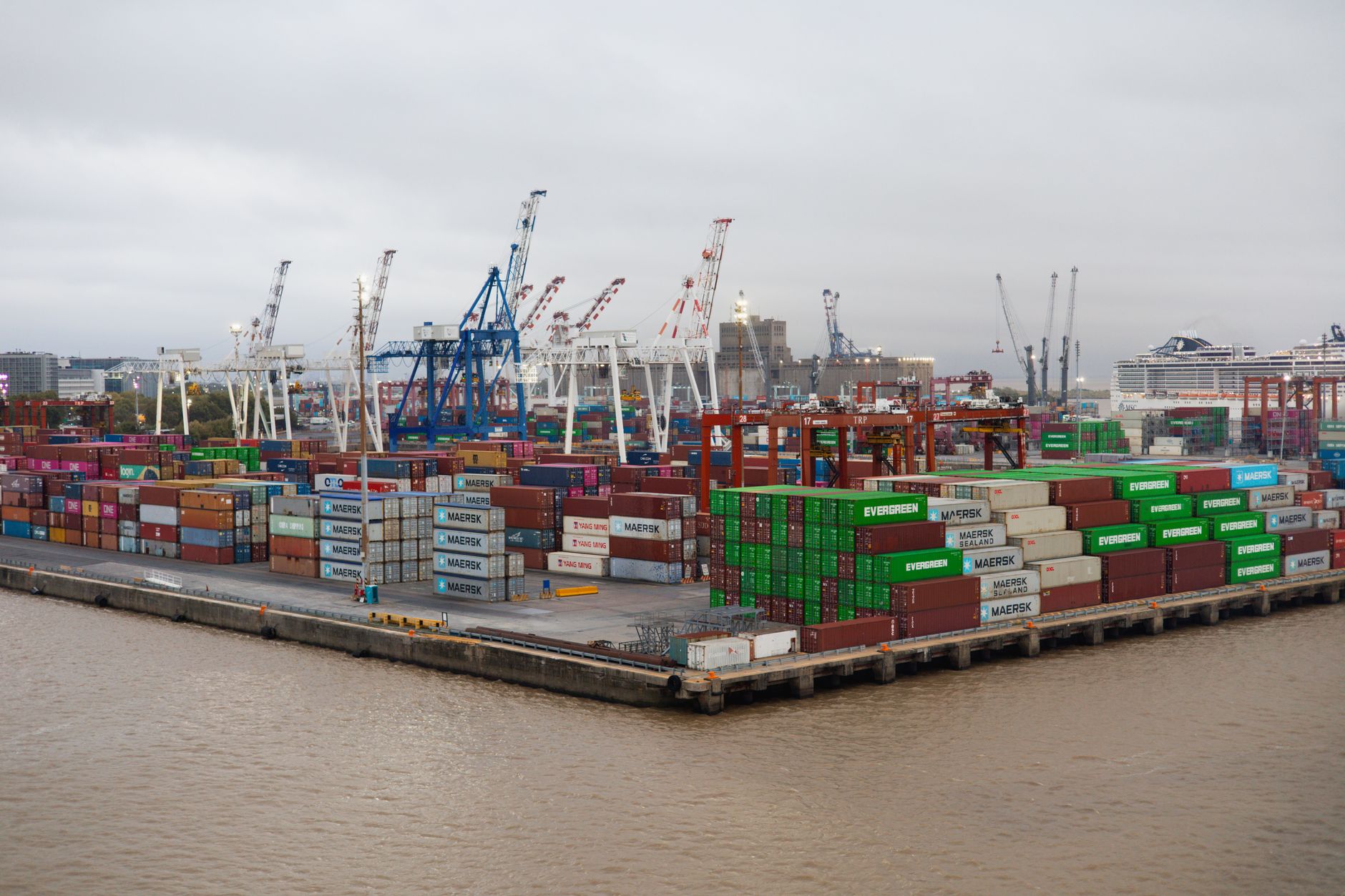
The geopolitical texture around the strait has shifted. Heightened US-China trade friction has not reduced volumes passing through Malacca so much as rerouted their origin points. Malaysian palm oil exports, for example, are increasingly moving on shorter-haul routes to Indian refiners and Middle Eastern blenders, partly displacing Ukrainian sunflower oil that has struggled to find its traditional European outlets. This has compressed freight rates on the Singapore-to-Colombo leg while quietly firming up bunker demand at Port Klang.
Bunker markets deserve particular attention. Very low sulphur fuel oil (VLSFO) spreads have narrowed considerably against IFO 380 as refinery capacity additions in the Middle East and Southeast Asia have increased supply. For fleet operators, this compresses the premium they must pay for compliance with IMO 2020 sulphur rules — a genuine margin improvement that has not fully filtered into public shipping equity valuations.
Palm Oil as a Trade Finance Signal
One of the more underappreciated signals in the commodity shipping complex is the behaviour of palm oil trade finance. Malaysia and Indonesia together produce roughly 85% of global palm oil output, and the financing structures that move that commodity — letters of credit, prepaid contracts, commodity-backed lending — offer a window into credit appetite across Southeast Asia that equity analysts rarely consult.
In the current environment, Malaysian palm oil traders are reporting tighter letter of credit availability from Chinese counterparty banks, a downstream effect of balance sheet pressures among mid-tier Chinese financial institutions. This has not caused a volume collapse — shipments are continuing — but it has pushed more transactions toward open account terms backed by commodity trading houses, which in turn has shortened effective payment cycles and altered hedging behaviour in the CBOT soybean oil complex.
For investors in trade finance funds or commodity-linked structured products, this shift from bank-intermediated to house-intermediated trade credit is worth monitoring. It increases concentration risk in the short term while potentially opening yield opportunities in receivables financing.
What the Numbers Are Saying
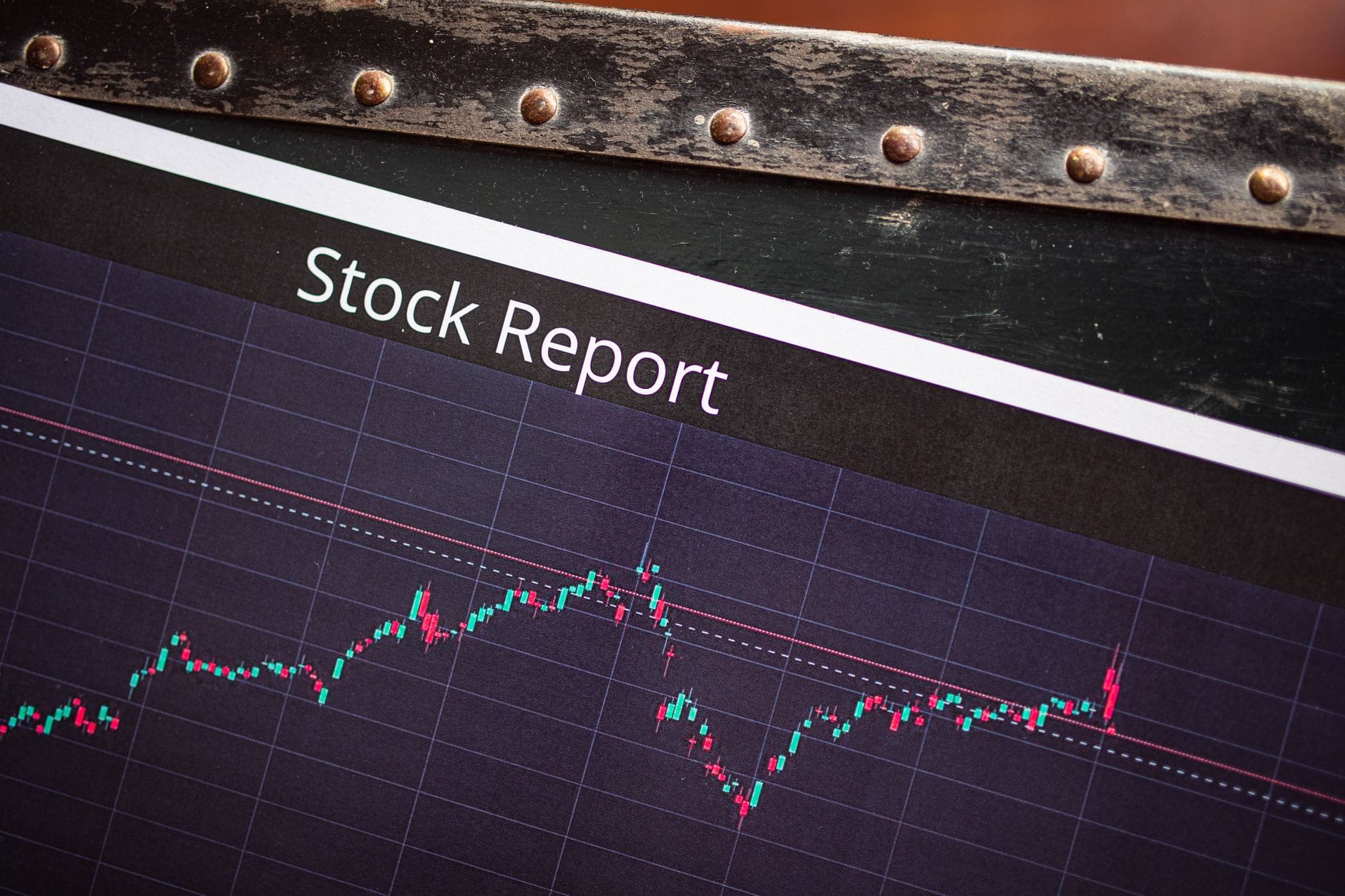
The BDI closed April at roughly 1,450 — below its five-year average of approximately 1,800, but well above the distressed territory of 600-700 that characterised the pandemic trough years. That positioning — below trend but above crisis — is historically associated with accumulation phases in dry bulk equities. Freight-sensitive names in Singapore, Hong Kong, and Greece have underperformed broader indices by 12-18% over the past six months, creating what looks to be a valuation opportunity for investors with a twelve-to-eighteen month horizon.
The more immediate catalyst is Chinese infrastructure spending. Beijing's announced stimulus packages have consistently emphasised domestic infrastructure, which is iron ore and coal intensive. Any pull-forward of construction activity into Q3 2026 would tighten Capesize availability and lift the index sharply. The risk is that stimulus delivery continues to disappoint, as it has periodically done, and the index consolidates further in the 1,200-1,400 range.
Position
The shipping market is not offering easy wins in April 2026. But the combination of compressed bunker spreads, structurally resilient palm oil volumes, and below-trend BDI valuations creates a setup that rewards patient capital. Trade finance investors should watch the palm oil letter of credit market as a credit-quality canary. Equity-oriented investors might find dry bulk names more interesting six weeks from now than they do today, particularly if Chinese infrastructure data surprises to the upside.
The strait runs both ways. Right now, it is running quietly — which is often when the most interesting opportunities accumulate.