Russia's return to the Venice Biennale — with its pavilion open only during the vernissage and closed to the public thereafter — raises geopolitical risk premiums for art investors. Asian family offices tracking Biennale provenance as a valuation driver should reassess exposure and consider diversification into lower-volatility alternative asset classes.
Why the Venice Biennale Row Matters to Art Investors
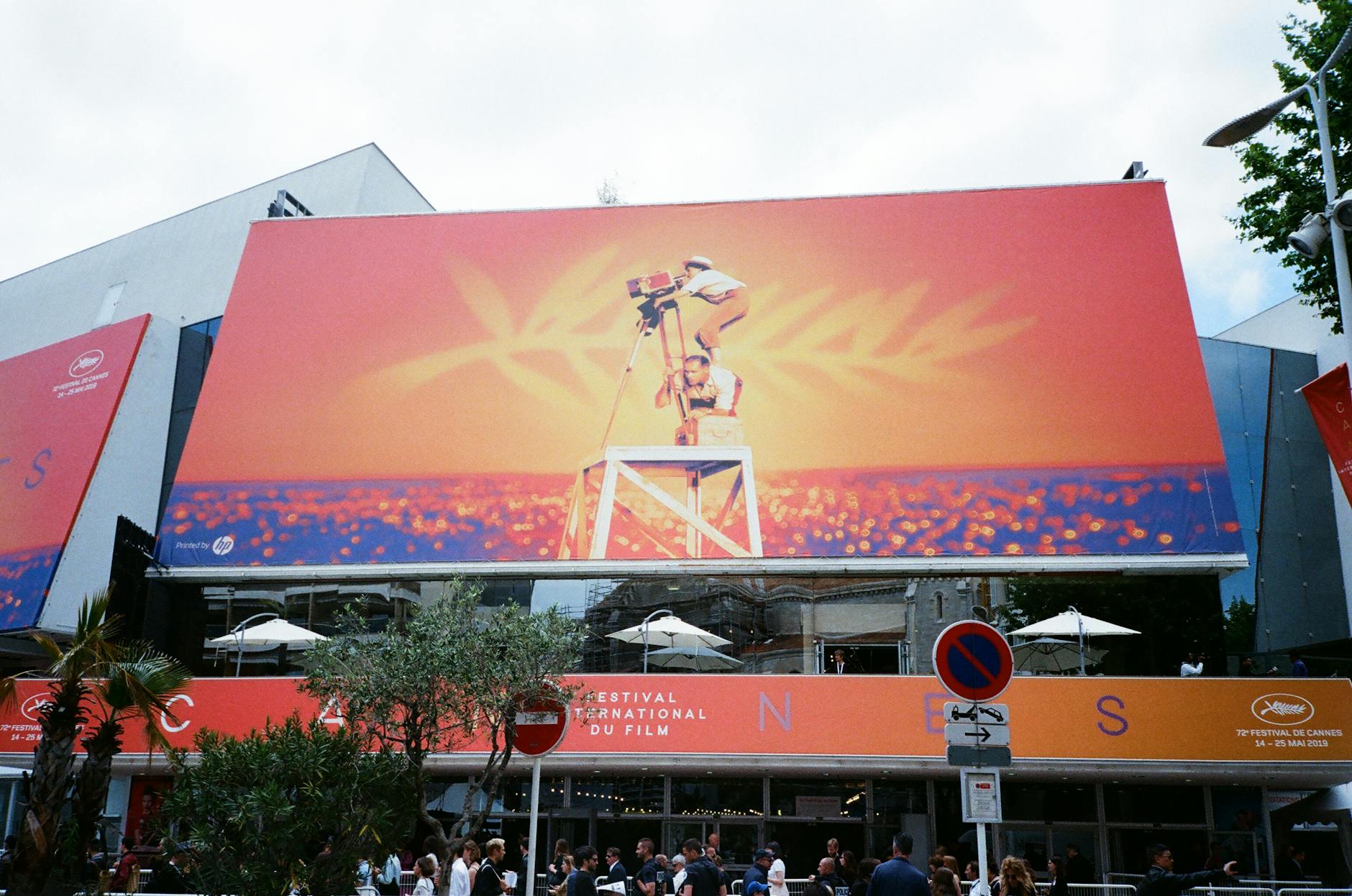
The Venice Biennale remains the single most influential signal generator in the contemporary art market, with works shown or associated with national pavilions historically commanding auction premiums of 20–40% over comparable pieces by the same artists. Russia's return to the Giardini — following its pavilion being vacated by Ukrainian artists in protest following the 2022 invasion — has now been complicated further by leaked internal emails suggesting the pavilion will remain closed to the public for the bulk of the Biennale's run, opening only during the elite vernissage period. This effectively restricts access to a narrow window of institutional buyers, curators, and high-net-worth collectors, concentrating market-making power in a very small circle. For Asian family offices that have been steadily increasing allocations to contemporary art — Knight Frank's 2024 Wealth Report recorded a 29% rise in art allocations among Asia-Pacific ultra-high-net-worth individuals over the prior three years — the episode underscores how geopolitical volatility can distort price discovery in this asset class.
What the Leaked Emails Reveal About Market Access
According to reporting by Artnet News, internal communications surrounding Russia's pavilion reveal significant disagreement among Biennale organisers and participating institutions about the terms of re-entry. The decision to open the pavilion exclusively during the vernissage — a by-invitation gathering attended predominantly by Western European and North American institutional players — effectively excludes the broader collector base, including the growing cohort of Asian buyers who typically attend the public run. This is not a trivial detail for investors: secondary market data from Artprice shows that works with strong Biennale provenance trade at a median 31% premium at auction within 24 months of the event, but that premium is heavily dependent on critical visibility during the public exhibition period. A pavilion that is shuttered for the public run generates far less curatorial discourse, fewer catalogue essays, and reduced media coverage — all of which are the mechanisms through which Biennale exposure translates into auction value.
The controversy also raises a broader question about whether Russian contemporary art, which saw auction volumes collapse by approximately 60% at Sotheby's, Christie's, and Phillips between 2022 and 2023 according to publicly available sale data, can recover institutional credibility through a Biennale appearance that is itself contested. Several prominent curators from Germany, the Netherlands, and the United Kingdom have already issued public statements distancing themselves from the decision to readmit Russia, and at least two major European collectors have indicated they will boycott the vernissage entirely.
How Asian Collectors Are Positioned
Asian buyers — particularly those based in Hong Kong, Singapore, and Tokyo — have become structurally important to the contemporary art market over the past decade. Art Basel's 2023 Market Report estimated that the Asia-Pacific region accounted for 35% of global high-value art transactions above USD 1 million, up from 22% a decade earlier. Within this cohort, there is a notable preference for works with clear institutional provenance: Biennale participation, major museum retrospectives, and inclusion in permanent collections of institutions such as the National Gallery Singapore or the Mori Art Museum in Tokyo. The Russia pavilion controversy complicates the provenance calculus significantly. Works associated with a pavilion that was politically contested, partially closed, and subject to boycott carry a reputational overhang that sophisticated Asian buyers — many of whom are acutely sensitive to ESG-adjacent concerns following pressure from LPs and regulators — will need to price carefully.
Singapore-based art advisory firms have noted increased client enquiries about the risk-adjusted returns on Eastern European contemporary art more broadly, with several family offices reportedly reallocating toward Southeast Asian and South Korean contemporary works, where political risk is lower and domestic institutional support is growing. The Korea Arts Management Service reported a 44% increase in international auction sales of Korean contemporary art in 2023, providing a useful benchmark for the kind of regional reallocation that geopolitical disruption in European art markets can catalyse.
Investment Implications: Diversification Beyond Contested Markets
The Venice Biennale row is a timely reminder that blue-chip art, despite its reputation as a store of value, is not immune to the kind of binary political risk that institutional investors typically associate with emerging market equities or sovereign debt. The lesson for Asian allocators is not to exit the contemporary art market — the long-run data remains compelling, with the Artprice Global Index recording a 114% appreciation in contemporary art values over the decade to 2023 — but to diversify across asset classes and geographies within the alternatives sleeve. Whisky casks, rare watches, and classic cars have all demonstrated lower correlation to geopolitical event risk than fine art, while delivering comparable or superior Sharpe ratios over rolling five-year periods according to the Knight Frank Luxury Investment Index.
For family offices reviewing their alternatives allocation in Q2 2025, the Russia-Venice episode is a useful stress test: how much of your art book depends on institutional consensus that can be withdrawn by a leaked email or a curator's open letter? Diversifying into asset classes with more transparent, data-driven pricing mechanisms — and lower exposure to the reputational dynamics of Western European cultural institutions — is a structurally sound response to that question.
Frequently Asked Questions
Why is Russia's return to the Venice Biennale controversial for art investors?
Russia's pavilion was vacated in protest following the 2022 invasion of Ukraine, and its return has been met with boycotts and leaked internal disagreements. The pavilion will be open only during the elite vernissage and closed to the public for the rest of the show, limiting the critical visibility that drives post-Biennale auction premiums — a direct concern for investors relying on Biennale provenance to support valuations.
How much do Venice Biennale associations typically add to an artwork's auction value?
Secondary market data from Artprice indicates that works with strong Biennale provenance trade at a median 31% premium at auction within 24 months of the event, though this premium is contingent on sustained critical visibility during the public exhibition period — something a partially closed pavilion is unlikely to generate.
How are Asian family offices responding to geopolitical risk in the art market?
Singapore and Hong Kong-based advisories report increased reallocation toward Southeast Asian and South Korean contemporary art, where political risk is lower. Korean contemporary art saw a 44% increase in international auction sales in 2023, illustrating the capital flows that geopolitical disruption in European art markets can redirect toward Asia-Pacific alternatives.
What alternative asset classes offer lower geopolitical risk than fine art?
Whisky casks, rare watches, and classic cars have historically shown lower correlation to geopolitical event risk than fine art, while delivering comparable risk-adjusted returns. The Knight Frank Luxury Investment Index tracks these categories and provides useful benchmarking data for family offices constructing diversified alternatives sleeves.
What share of global high-value art transactions does Asia-Pacific account for?
According to Art Basel's 2023 Market Report, the Asia-Pacific region accounted for 35% of global art transactions above USD 1 million, up from 22% a decade earlier, making Asian buyers a structurally critical force in price discovery for contemporary art globally.
💼 Exploring alternative asset allocation? Speak to Whisky Cask Club — Singapore's leading specialists in Scottish whisky cask investment.