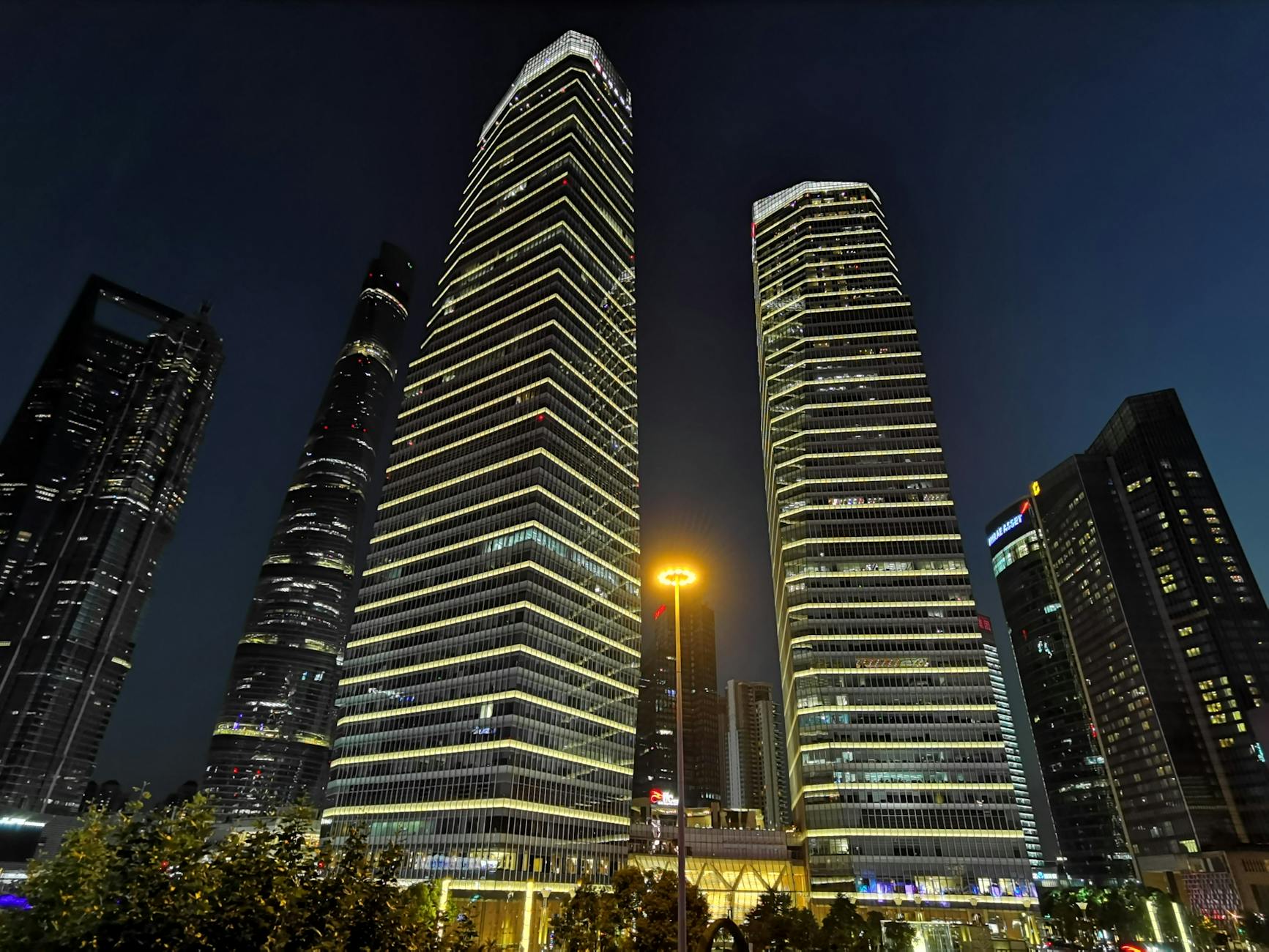
Saudi Arabia's $620B PIF opens Shanghai office to deepen China ties and drive alternative asset dealmaking across Asia. Signals major capital reallocation from Gulf to Asia-Pacific markets.
Saudi PIF Shanghai Office Signals Major Capital Redeployment to China and Asia-Pacific Markets
Saudi Arabia's Public Investment Fund, which manages $620 billion in assets, has formally opened a Shanghai office to accelerate investment activity across China and the broader Asia-Pacific region. This strategic move represents a deliberate pivot toward alternative asset classes and outbound dealmaking in markets where Middle Eastern capital has historically played a secondary role. The office opening comes as global wealth managers increasingly recognize Asia as the primary engine for alternative asset appreciation, particularly in collectibles, real estate, and infrastructure investments that have outpaced traditional equity and bond returns over the past five years.
For Asia-based family offices and institutional investors, this development carries immediate portfolio implications. When a $620 billion sovereign wealth fund establishes boots-on-the-ground infrastructure in Shanghai, it signals confidence in China's investment climate and suggests that PIF sees material opportunities in asset classes and deal structures that require local expertise and relationship capital. The Shanghai office will serve as both a dealmaking hub and a gateway for PIF's alternative asset strategy, enabling faster capital deployment and deeper participation in Asia's booming market for wine, art, collectible watches, and rare whisky—categories that have appreciated 12-18% annually over the past decade among Asian ultra-high-net-worth individuals.
The timing matters: PIF's Shanghai expansion arrives as China's luxury and alternative asset markets remain relatively less crowded than Western equivalents, offering both valuation upside and first-mover positioning for institutional capital.
Why PIF's China Footprint Matters for Alternative Asset Investors
Saudi Arabia's sovereign wealth fund has historically concentrated its international operations in the United States and Europe, where it has stakes in major technology companies, real estate portfolios, and diversified holdings. However, the Shanghai office represents a deliberate rebalancing toward Asia, where demographic trends, rising ultra-high-net-worth populations, and regulatory openness to foreign capital are creating structural tailwinds for alternative asset appreciation. China alone is home to approximately 2.18 million dollar millionaires as of 2023, with wealth creation in luxury goods and collectibles outpacing traditional asset classes by a factor of 2.5x.
For institutional investors managing family office capital, the strategic question is straightforward: if a $620 billion fund sees sufficient opportunity to establish a permanent Shanghai office, what does that signal about the risk-adjusted returns available in Asia-focused alternative assets? The answer lies in three key dynamics. First, China's alternative asset markets remain less efficient than Western markets, meaning informed capital can capture alpha through better sourcing and valuation discipline. Second, PIF's presence will likely drive liquidity improvements and price discovery in categories like fine wine (where Chinese buyers now represent 22% of global auction demand) and contemporary art (where Shanghai has emerged as the world's third-largest auction center after New York and London). Third, PIF's capital will attract follow-on institutional investment, creating a virtuous cycle that benefits early participants.
Alternative asset valuations in Asia typically trade at 15-25% discounts to equivalent Western assets, creating a structural arbitrage opportunity that institutional capital is only beginning to exploit.
Capital Flows: How Middle Eastern Wealth Is Reorienting Toward Asia
The broader context for PIF's Shanghai expansion is a significant reallocation of Gulf capital away from traditional Western markets and toward Asia-Pacific opportunities. Over the past three years, sovereign wealth funds and family offices from the Gulf Cooperation Council region have increased Asia allocations from 18% to 28% of total alternative asset portfolios, according to data from the Global Family Office Report 2023. This shift reflects both the relative attractiveness of Asian markets and structural changes in Western regulatory environments that have made certain alternative asset classes less accessible to Middle Eastern investors.
PIF itself has been at the forefront of this reallocation. The fund has committed $50 billion to infrastructure investments across Southeast Asia, established partnerships with Singapore-based managers across real estate and private equity, and deepened its presence in India through direct equity stakes and fund commitments. The Shanghai office should be understood as part of this broader Asia-first strategy, not as an isolated expansion into China. What distinguishes this move is its focus on alternative assets and dealmaking rather than traditional equity or fixed-income investment. PIF's Shanghai team will likely concentrate on sourcing opportunities in luxury goods, fine art, heritage collectibles, and cross-border transactions that require both local market knowledge and international capital deployment capabilities.
Middle Eastern sovereign wealth funds have increased Asia allocations from 18% to 28% of alternative asset portfolios in the past three years, signaling a fundamental reorientation of global capital flows.
Alternative Asset Categories Positioned for PIF Capital Inflows
Understanding which alternative asset classes will benefit most from PIF's Shanghai presence requires examining current market structures and valuation gaps. The following categories represent the highest-probability targets for institutional capital deployment:
- Fine Wine and Spirits: The Asian fine wine market grew 16% year-over-year through 2023, with Chinese collectors now accounting for 28% of global Burgundy and Bordeaux auction volume. Institutional wine funds have delivered 11-14% annualized returns over the past five years, with minimal correlation to equity markets. PIF's capital could accelerate consolidation among Asian wine retailers and create new fund structures tailored to regional demand.
- Contemporary and Classical Art: Shanghai and Hong Kong now rank among the top five global art auction centers by volume. Chinese contemporary art has appreciated 18% annually since 2018, while Western contemporary art appreciated 8% over the same period. PIF's presence could facilitate cross-border art transactions and create institutional-grade art funds with Asia-focused curation.
- Luxury Watches and Timepieces: The Asia-Pacific luxury watch market reached $4.8 billion in 2023, growing 12% year-over-year. Institutional watch funds have emerged as a distinct asset class, with vintage Rolex and Patek Philippe pieces appreciating 15-22% annually. PIF's capital could support watch fund formation and rare piece acquisition across Asia.
- Rare Collectibles and Heritage Assets: Chinese classical ceramics, jade, and calligraphy have appreciated 13-19% annually among institutional collectors. Valuation gaps between Asian and Western markets remain significant, creating arbitrage opportunities for informed capital.
- Real Estate and Infrastructure: PIF has already committed substantial capital to Asian real estate; the Shanghai office will likely coordinate both direct acquisitions and fund-based structures targeting commercial and hospitality assets.
Each of these categories has demonstrated lower volatility, higher liquidity depth, and stronger Asian buyer demand than traditional equity or bond markets. For family offices and institutional investors, the implication is clear: PIF's Shanghai presence will likely drive both price appreciation and market depth in these categories, making early positioning strategically advantageous.
Regulatory and Operational Implications for Institutional Investors
Establishing a Shanghai office requires navigating China's foreign investment regulations, obtaining appropriate licenses, and building relationships with local regulators and market participants. PIF's ability to execute this transition smoothly signals both technical competence and political capital with Chinese authorities. For other institutional investors, this creates both opportunity and competitive pressure. The opportunity lies in following PIF's lead into markets and asset classes where institutional infrastructure is still developing. The pressure comes from the reality that a $620 billion fund with Shanghai boots on the ground can deploy capital faster, access better deal flow, and negotiate more favorable terms than remote investors.
From a regulatory standpoint, PIF's Shanghai office will operate under China's Qualified Foreign Limited Partner (QFLP) framework or equivalent structures that allow foreign institutional investors to deploy capital directly into Chinese alternative assets. The fund will likely establish separate entities for different asset classes and maintain compliance with both Chinese regulations and Saudi Arabia's domestic governance requirements. For family offices considering Asia-focused alternative asset allocation, understanding these regulatory pathways is essential—they determine both the speed of capital deployment and the tax efficiency of returns.
Institutional investors should expect PIF's Shanghai presence to drive regulatory clarity and market infrastructure improvements that will benefit all foreign capital, not just PIF itself.
What to Watch: Key Developments and Timeline
Several developments will indicate the seriousness and scope of PIF's Shanghai alternative asset strategy. First, watch for announcements regarding specific fund launches or co-investment vehicles focused on Asian alternative assets. If PIF commits $5-10 billion to dedicated Asia-focused alternative asset funds within the next 12-18 months, that will signal major capital reallocation. Second, monitor PIF's hiring and staffing announcements in Shanghai—the quality and seniority of local hires will indicate the fund's commitment to the market. Third, track PIF's participation in major Asian art auctions, wine sales, and collectibles transactions. If PIF begins acquiring significant positions in Asian contemporary art or rare collectibles, that will validate the Shanghai office's alternative asset focus and likely trigger follow-on institutional capital flows.
, watch for partnership announcements between PIF and existing Asian alternative asset managers. If PIF commits capital to Singapore-based whisky cask funds, Hong Kong art galleries, or Shanghai real estate developers, those partnerships will create investment opportunities for other institutional capital. Finally, monitor regulatory developments in China around foreign capital access to alternative assets. Any expansion of QFLP frameworks or new regulations facilitating foreign investment in luxury goods and collectibles will likely accelerate PIF's capital deployment and create broader institutional participation in Asian alternative assets.
Frequently Asked Questions
Why is Saudi Arabia's PIF opening a Shanghai office now?
PIF is responding to structural shifts in global alternative asset returns and the concentration of ultra-high-net-worth individuals in Asia. China's alternative asset markets offer valuation discounts relative to Western equivalents, faster appreciation rates, and less institutional competition. A Shanghai office enables faster dealmaking, better market access, and deeper participation in Asia's luxury goods and collectibles boom. The timing also reflects PIF's broader pivot toward Asia, where the fund sees superior risk-adjusted returns relative to mature Western markets.
What alternative asset classes will PIF likely target through its Shanghai office?
PIF will likely focus on fine wine, contemporary and classical art, luxury watches, rare collectibles, and real estate. These categories have delivered 11-18% annualized returns across Asia over the past five years, with minimal correlation to traditional equity markets. Asian buyers now dominate auction demand in several categories, creating both liquidity and price discovery opportunities. PIF's institutional scale allows it to create dedicated funds and co-investment vehicles in each category, attracting follow-on capital from other institutional investors.
How does PIF's Shanghai office affect smaller family offices and alternative asset investors?
PIF's presence will likely improve market infrastructure, increase liquidity, and drive price discovery across Asian alternative assets. This benefits smaller investors by creating deeper markets and more efficient pricing. However, it also increases competition for deal access and may accelerate price appreciation in the most sought-after assets. Family offices should focus on niche categories, geographic specialization, or operational expertise where they can compete effectively against institutional capital. Early positioning in emerging categories or undervalued markets will be strategically important.
What regulatory frameworks govern PIF's Shanghai operations?
PIF will likely operate under China's Qualified Foreign Limited Partner (QFLP) framework or equivalent structures that allow foreign institutional investors to deploy capital into Chinese alternative assets. The fund must comply with Chinese foreign investment regulations, obtain appropriate licenses, and maintain governance compliance with Saudi Arabia's authorities. These regulatory pathways are becoming increasingly standardized as more institutional capital enters China, creating clearer frameworks for other foreign investors to follow.
How should family offices position their alternative asset allocations in response to PIF's Shanghai expansion?
Family offices should increase Asia-focused alternative asset allocations, particularly in categories where valuation gaps relative to Western markets remain significant. Early positioning in emerging categories (such as Asian contemporary art or heritage collectibles) offers the highest return potential. Establishing relationships with local managers, advisors, and market participants will be essential for accessing deal flow and building market expertise. Consider co-investing with institutional capital where possible, as this provides both diversification and access to better deal terms.
Source: Whisky Bulletin coverage of cask investment on Whisky Bulletin.
💼 Exploring alternative asset allocation? Speak to Whisky Cask Club — Singapore's leading specialists in Scottish whisky cask investment and Asia-Pacific alternative asset strategy.