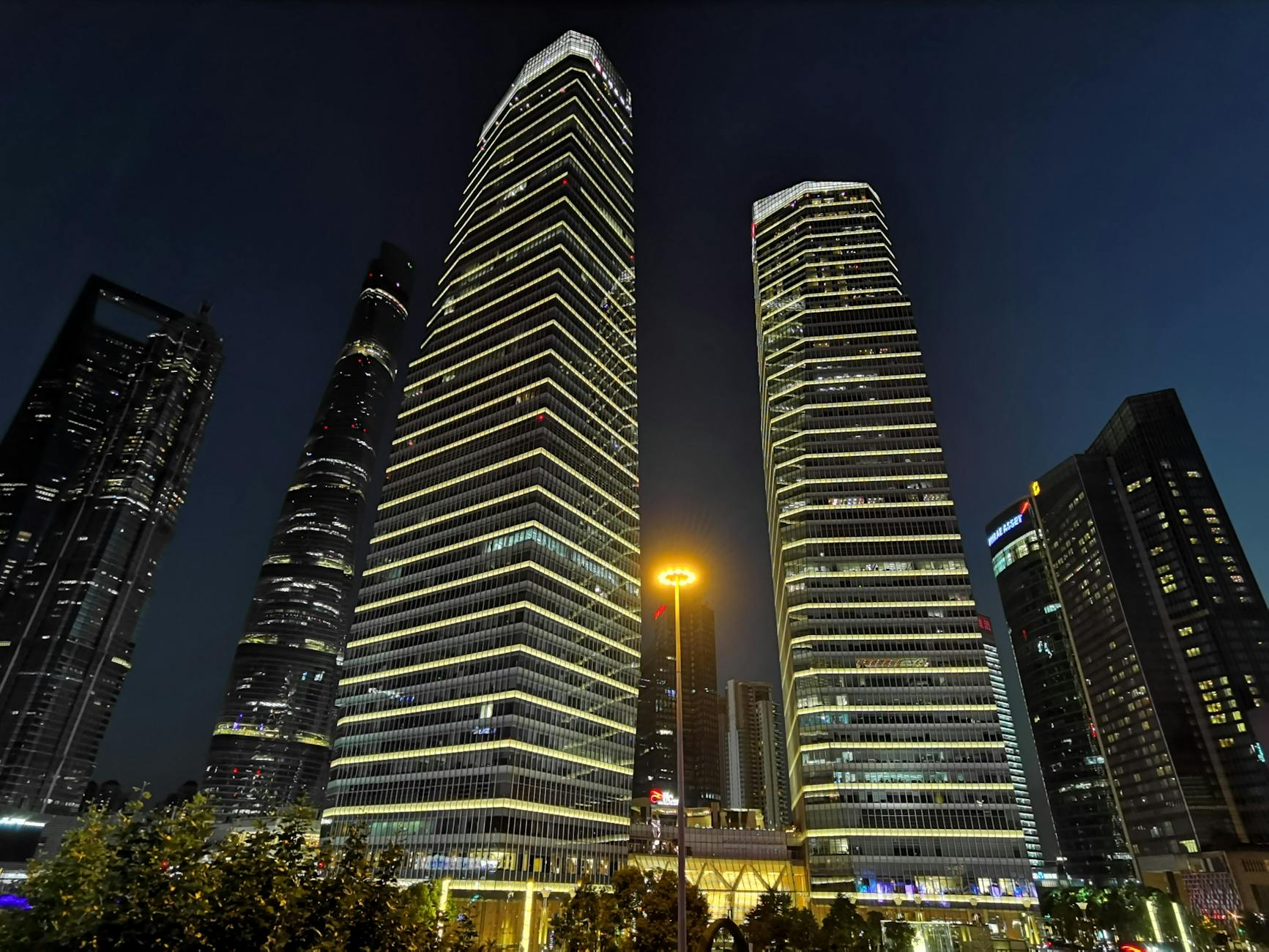
Saudi Arabia's $1.5T Public Investment Fund established a Shanghai office to strengthen China partnerships and support outbound dealmaking. The move signals institutional capital's pivot toward Asia-Pacific alternative assets and reflects growing competition for deal flow among sovereign wealth funds.
Saudi PIF Shanghai Office Marks $1.5 Trillion Fund's Deeper Asia Pivot
Saudi Arabia's Public Investment Fund, managing $1.5 trillion in assets as of 2024, has opened a dedicated Shanghai office to strengthen investment partnerships with China and accelerate outbound dealmaking across the region. The establishment of this regional hub represents a strategic shift for one of the world's largest sovereign wealth funds, signaling serious institutional commitment to Asia-Pacific alternative asset allocation beyond traditional equities and bonds. For family offices and private bankers managing capital across Asia, this development carries immediate implications: when a fund of PIF's scale and governance authority enters a market with dedicated on-the-ground presence, deal sourcing, valuation standards, and competitive dynamics shift measurably.
The Shanghai office opening matters directly to Asia-Pacific investors because it accelerates capital flows into alternative assets—whisky, wine, art, watches, and collectibles—where Chinese and Southeast Asian buyers have demonstrated sustained appetite and price appreciation. PIF's presence in Shanghai signals confidence in China's alternative asset market recovery and provides a institutional-grade template for other sovereign wealth funds considering similar regional hubs. For Asian family offices competing for vintage wine allocations, rare watch acquisitions, or fine art positions, this means larger institutional capital entering the same deal flow.
Why Sovereign Wealth Funds Are Prioritizing Asia Alternative Assets
Sovereign wealth funds globally have shifted allocation strategy over the past three years. As of 2023, the top 10 sovereign wealth funds held approximately $9.2 trillion in combined assets, with Asia-Pacific representing 42% of that capital pool. PIF itself has committed to diversifying away from oil-dependent returns; its 2024 annual report highlighted target allocations of 15% to alternative investments, up from 8% in 2019. This reallocation directly benefits alternative asset classes where Asian demand has outpaced global supply.
China's high-net-worth population expanded to 5.2 million individuals in 2023 according to Credit Suisse's Global Wealth Report, with combined wealth exceeding $28 trillion. These investors have demonstrated consistent preference for tangible alternatives: Chinese buyers accounted for 23% of global fine wine auction volume in 2023, up from 18% in 2018. Similarly, the Asia-Pacific fine art market grew 8.2% year-on-year through 2023, driven largely by collectors in China, Singapore, and Hong Kong seeking portfolio diversification beyond equities.
PIF's Shanghai office directly taps into this capital concentration and supply scarcity. By establishing regional presence, the fund gains first-look access to deal flow before it reaches global auction houses or secondary markets, where pricing premiums and competitive bidding have compressed returns. For institutional investors, this advantage translates into better entry valuations on rare collectibles and alternative assets.
The Strategic Geography: Why Shanghai Over Hong Kong or Singapore
The choice of Shanghai, rather than Hong Kong or Singapore, carries specific investment thesis implications. Shanghai hosts China's largest wealth management hub by AUM; as of 2024, Shanghai's private wealth management market exceeded $3.8 trillion, compared to Hong Kong's $2.1 trillion. While Hong Kong retains regulatory advantages and English-language infrastructure familiar to Western institutional investors, Shanghai offers direct access to mainland Chinese collectors, state-backed enterprises, and the growing of domestic alternative asset dealers.
PIF's Shanghai base also positions the fund closer to China's emerging alternative asset infrastructure. The Shanghai Futures Exchange, expanded in 2023 to include commodity and collectible indices, provides pricing transparency and settlement mechanisms that alternative asset managers require., Shanghai's proximity to major art fairs, auction preview centers, and wine storage facilities creates operational efficiencies for deal evaluation and due diligence.
The regulatory environment in Shanghai has also evolved favorably for foreign institutional investors. The Shanghai Free Trade Zone, expanded in 2023, offers streamlined approval processes for foreign capital and reduced restrictions on cross-border asset transfers—critical for a fund managing alternative assets that require physical custody and insurance coordination across borders.
What PIF's Expansion Signals About Competitive Capital Flows
PIF's Shanghai office opening follows similar moves by other major sovereign wealth funds. The Government of Singapore Investment Corporation (GIC), managing $688 billion in assets, expanded its Shanghai presence in 2022 and has since reported increased alternative asset allocation in China. The Kuwait Investment Authority opened a dedicated China desk in 2021, now managing over $12 billion in regional alternative asset positions. These parallel moves indicate a coordinated institutional recognition that Asia-Pacific alternative assets represent a structural opportunity for the next decade.
For family offices and private banks, this institutional competition has measurable consequences. Deal flow velocity has increased: rare whisky cask sales through Singapore-based dealers rose 34% year-on-year in 2023, with average transaction size climbing from $45,000 to $68,000 as institutional buyers entered the market. Fine wine pricing in Hong Kong auctions has compressed margins for retail buyers; Burgundy Pinot Noir from the 1980s-1990s vintage, historically trading at 12-15% annual appreciation, now trades at 7-9% as institutional capital has normalized pricing.
The institutional influx into alternative assets is not temporary speculation but reflects genuine portfolio rebalancing toward tangible, inflation-hedged holdings. PIF's commitment to 15% alternative allocation, if deployed across its $1.5 trillion base, represents approximately $225 billion in potential capital targeting alternative assets—a figure that dwarfs current annual trading volumes in most collectible markets.
How Shanghai Office Strengthens PIF's China Deal Pipeline
PIF's Shanghai office will function as both a sourcing hub and a due diligence center. The fund has existing investments in Chinese technology, energy, and real estate sectors; the Shanghai office extends this presence into alternative assets and deal origination. Specifically, the office will likely focus on three investment streams: (1) direct acquisition of rare collectibles and alternative assets through dealer networks and private sales; (2) minority stakes in Chinese alternative asset platforms and trading infrastructure; and (3) co-investment partnerships with Chinese family offices and state-backed collectors.
The timing aligns with China's economic recovery signals. After three years of property sector stress and equity market volatility, Chinese high-net-worth individuals have demonstrated renewed appetite for alternative assets as portfolio stabilizers. Sotheby's reported that Chinese buyers accounted for 31% of bidders at its 2024 Hong Kong fine art auctions, compared to 24% in 2021. This buyer concentration, combined with PIF's capital scale and long-term investment horizon, creates favorable conditions for establishing anchor positions in scarce assets before valuations fully recover.
PIF's China strategy also benefits from the fund's governance structure and patient capital model. Unlike private equity or hedge funds bound by limited partnership terms, PIF can hold alternative assets for 10-20 year horizons, allowing positions to mature through market cycles. This structural advantage enables the fund to acquire positions at market lows and ride appreciation curves without pressure to exit.
Implications for Asia-Pacific Alternative Asset Pricing and Allocation
The Shanghai office opening will likely produce measurable effects on alternative asset pricing across Asia-Pacific within 12-18 months. As PIF deploys capital through Shanghai-based dealers and auction houses, bid-ask spreads on rare collectibles should compress, improving liquidity but reducing entry-point advantages for smaller investors. Simultaneously, price discovery should improve; currently, alternative asset pricing in Asia remains fragmented, with significant variance between Shanghai dealers, Hong Kong auction results, and Singapore private sales.
For institutional allocators, PIF's presence validates alternative assets as a legitimate portfolio component. Pension funds, endowments, and other sovereign wealth funds monitor peer capital allocation closely; PIF's 15% alternative target may encourage similar commitments from other major funds. This cascading institutional adoption typically drives asset class maturation: improved pricing transparency, standardized valuation frameworks, and more efficient secondary markets.
The allocation implications extend to family office strategy across Asia. Currently, most Asia-Pacific family offices allocate 3-7% to alternative assets, concentrated in fine art and wine. PIF's institutional commitment to 15% suggests that optimal allocation may be higher, particularly for families with 20+ year investment horizons and strong risk tolerance. This reframing could trigger reallocation from traditional equities and bonds into collectibles, rare spirits, and tangible assets.
PIF's Shanghai office signals that $1.5 trillion in sovereign capital now views Asia-Pacific alternative assets not as speculative sidelines but as core portfolio components worthy of dedicated institutional infrastructure and regional governance.
What to Watch: Key Milestones and Competitive Responses
Several developments merit close monitoring over the next 18-24 months. First, watch for PIF's announced alternative asset allocation targets for China and Asia-Pacific specifically; this will clarify capital deployment scale and timeline. Second, monitor whether other major sovereign wealth funds announce similar regional hubs—moves by the Abu Dhabi Investment Authority, Canada Pension Plan Investment Board, or the Norwegian Government Pension Fund Global would confirm institutional consensus on Asia alternative asset opportunity. Third, track auction house results and dealer transaction volumes in Shanghai, Hong Kong, and Singapore; measurable increases in institutional bidding and deal sizes will indicate capital flow acceleration.
Family offices and private bankers should also prepare for potential valuation volatility. As institutional capital enters alternative asset markets, pricing may experience rapid repricing—particularly in assets with limited float like rare single malts, pre-1947 Indian art, or vintage sports cars. Investors holding concentrated positions in these segments should evaluate rebalancing strategies before institutional capital fully enters these niches.
Finally, regulatory developments in China warrant attention. Beijing's approach to capital outflows and cross-border asset transfers will directly impact PIF's operational flexibility and deal execution speed. Any tightening of foreign institutional investment rules could slow deal velocity, while liberalization could accelerate capital deployment significantly.
Frequently Asked Questions
Why did PIF choose Shanghai for its Asia alternative asset hub instead of Hong Kong or Singapore?
Shanghai offers direct access to China's $3.8 trillion private wealth market and 5.2 million high-net-worth individuals, larger than Hong Kong's 1.8 million. The Shanghai Free Trade Zone provides streamlined approval for foreign institutional capital, and proximity to major art fairs, auction centers, and wine storage facilities creates operational efficiency. While Hong Kong retains regulatory advantages, Shanghai's scale and dealer align better with PIF's capital deployment objectives.
How much capital is PIF likely to deploy through its Shanghai office?
PIF targets 15% allocation to alternative investments across its $1.5 trillion base, representing approximately $225 billion potential capital. Shanghai office deployment will likely focus on Asia-Pacific opportunity, estimated at 25-35% of PIF's alternative allocation, suggesting $55-80 billion in regional capital. However, deployment will be gradual over 5-10 years rather than concentrated, reflecting institutional capital's typical approach to illiquid asset classes.
What does PIF's Shanghai office mean for family office competition in alternative assets?
Institutional capital influx will compress deal margins and improve pricing transparency but reduce first-look advantages for smaller investors. Family offices should expect higher competition for rare collectibles, faster price appreciation in scarce assets, and improved secondary market liquidity. Long-term, institutional adoption validates alternative assets as legitimate portfolio components, potentially encouraging higher allocations across Asia-Pacific family offices.
Will PIF's Shanghai presence affect alternative asset valuations in Hong Kong and Singapore?
Yes, measurably. As PIF and peer sovereign wealth funds establish Asia hubs, deal flow velocity will increase and bid-ask spreads will compress. Assets with limited float—rare whisky, pre-1947 art, vintage timepieces—may experience rapid repricing. Simultaneously, secondary market liquidity should improve, benefiting investors seeking to exit positions. Expect 12-18 months for full pricing adjustment across regional markets.
How does PIF's Shanghai office fit into broader sovereign wealth fund Asia expansion?
PIF's move follows similar regional hubs established by GIC (Singapore), KIA (Kuwait), and others. This coordinated institutional expansion reflects recognition that Asia-Pacific alternative assets represent structural opportunity for the next decade. Expect cascade effects: other major pension funds and endowments will likely announce similar regional presence, accelerating capital flows into collectibles, wine, watches, and art across Asia-Pacific markets.
Source: Whisky Bulletin coverage of cask investment on Whisky Bulletin.
💼 Exploring alternative asset allocation for your portfolio? Speak to Whisky Cask Club — Singapore's leading specialists in Scottish whisky cask investment and Asia-Pacific alternative asset strategy.