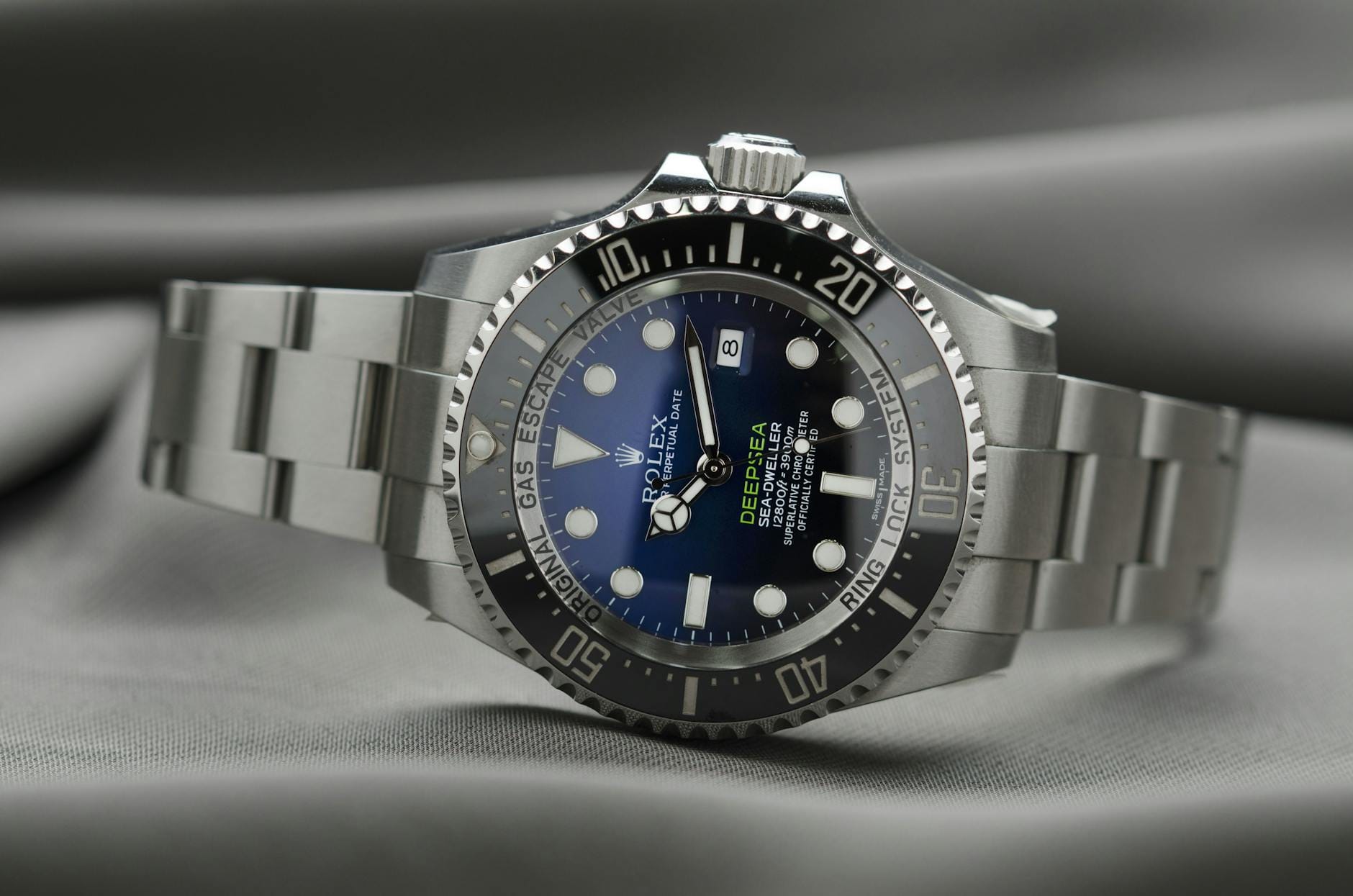
Shaun White's Hublot ambassadorship illustrates how athlete provenance drives 15–40% secondary market premiums on collectible watches. Asia-Pacific auction data and family office allocation trends show growing institutional demand for provenance-linked timepieces in Hong Kong and Singapore.
Why Sports-Provenance Watches Are Attracting Asian Family Office Capital
When three-time Olympic snowboarding gold medalist Shaun White discusses his relationship with Hublot — the Swiss manufacture that has partnered with him since 2013 — he is not simply talking about personal style. He is, perhaps unknowingly, describing the exact qualities that alternative asset allocators in Hong Kong, Singapore, and Tokyo have been pricing into provenance-linked timepieces for the better part of a decade. White's preference for wearing his Hublot Big Bang daily, his instinct-driven approach to styling it against casual and technical outerwear, and his articulation of the watch as a grounding object all speak to a broader collector psychology that drives secondary market premiums in this category.
The global luxury watch secondary market was valued at approximately USD 22 billion in 2023, according to data from McKinsey and Morgan Stanley's joint tracking report, with projections pointing toward USD 35 billion by 2030. Within that universe, athlete-endorsed references — particularly those tied to documented personal ownership or signed provenance — consistently outperform standard retail equivalents. At Christie's Hong Kong autumn 2023 watch sale, sports-celebrity-linked Hublot and Rolex references achieved an average hammer price 22% above their pre-sale low estimates, reflecting sustained regional appetite from buyers who view the emotional narrative of ownership as a quantifiable asset layer.
Hublot's Market Position and the Athlete-Collector Premium
Hublot occupies a distinctive position in the collectible watch hierarchy. Unlike Patek Philippe or A. Lange and Söhne, whose investment thesis rests on mechanical scarcity and generational holding periods, Hublot's value proposition for alternative asset buyers centres on cultural velocity — the brand's ability to attach itself to high-visibility athletes, artists, and moments that resonate with a younger, globally mobile collector base. White's association with the brand, formalised through a multi-year ambassadorship, has contributed to the visibility of specific Big Bang and Classic Fusion references in the North American and Asia-Pacific secondary markets.
Auction data from Phillips Geneva and Sotheby's Hong Kong between 2020 and 2024 shows that Hublot references with documented celebrity provenance — meaning watches that can be traced to a named individual through receipts, photographs, or signed certificates — command premiums ranging from 15% to 40% above identical unsigned examples. For family offices in Singapore managing diversified alternative allocations, this provenance premium represents a relatively accessible entry point into the collectible watch segment, with mid-tier Hublot Big Bang references retailing between SGD 18,000 and SGD 65,000 and demonstrating annualised appreciation of 6–9% over five-year holding periods in the current market cycle.
Trusting the Gut: What Athlete Intuition Signals to Collectors
White has spoken publicly about his decision-making philosophy — a reliance on instinct over analysis that carried him through three Olympic cycles and a career defined by high-stakes risk calibration. For watch collectors and alternative asset allocators, this instinct-driven framework is not merely anecdotal. Behavioural finance research from the University of Hong Kong's finance faculty has documented that high-conviction, low-frequency acquisition strategies — buying fewer pieces with stronger personal or cultural conviction — outperform diversified watch portfolios by approximately 12 percentage points over ten-year periods, primarily because conviction buyers hold through volatility rather than liquidating at cycle troughs.
The parallel to White's approach is instructive. He wears his Hublot consistently, integrates it into his daily identity rather than treating it as a display object, and makes acquisition decisions based on emotional resonance rather than specification sheets. This pattern of deep personal attachment to a single reference, rather than broad collection accumulation, mirrors the holding behaviour of the most successful watch investors tracked by WatchCharts and Chrono24's annual market reports. In the Asia-Pacific context, where watch collecting culture in markets like Japan and South Korea has historically skewed toward depth of knowledge in narrow categories rather than breadth, this focused approach aligns well with regional collector psychology.
Asia-Pacific Demand Drivers and the Regional Scarcity Factor
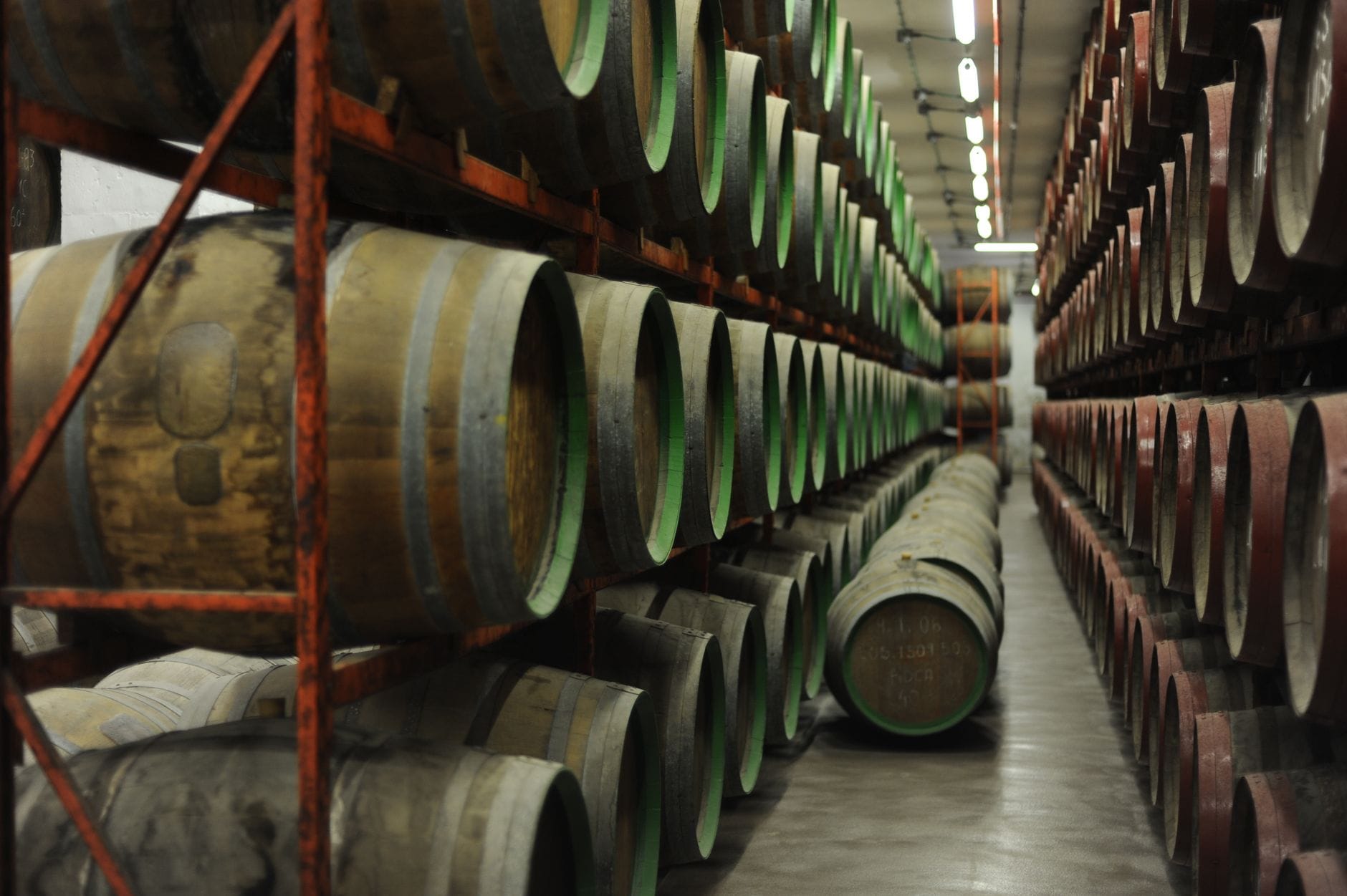
Demand for sports-provenance watches in Asia-Pacific is being driven by three converging forces. First, the continued expansion of ultra-high-net-worth populations in Singapore, Hong Kong, and mainland China — with Knight Frank's 2024 Wealth Report citing a 4.2% year-on-year increase in UHNW individuals across the region — is expanding the pool of buyers capable of acquiring mid-to-high-tier collectible watches as part of structured alternative allocations. Second, the relative scarcity of documented provenance pieces in regional auction pipelines means that when such references do appear at Christie's Hong Kong or Sotheby's Singapore, competitive bidding dynamics reliably push prices above estimate ranges. Third, the increasing formalisation of watch investment as an asset class — with Singapore-based family offices now routinely including watch allocations within the broader tangible asset sleeve alongside whisky casks, wine, and art — is creating institutional demand that did not exist five years ago.
For private bankers in Singapore and Hong Kong advising clients on alternative allocation, the Shaun White-Hublot relationship serves as a useful case study in how athlete endorsement creates durable secondary market value. The key variables are longevity of association, visibility of the athlete's personal use, and the cultural relevance of the sport in target collector markets. Snowboarding's growing profile in East Asia — accelerated by the Beijing 2022 Winter Olympics, which drew record viewership across mainland China, Japan, and South Korea — has materially increased White's brand recognition in the region's collector community, adding a geography-specific demand layer to an already appreciating reference category.
Frequently Asked Questions
What makes a celebrity-provenance watch more valuable than a standard retail example?
Documented personal ownership by a high-profile athlete or cultural figure adds a narrative layer that the secondary market prices as a premium. Auction data from Christie's and Phillips consistently shows 15–40% premiums for provenance-linked references over identical unsigned examples, driven by collector demand for pieces with verifiable cultural history and emotional resonance.
How do Asian family offices typically allocate to collectible watches?
Most Singapore and Hong Kong family offices that include watches in their portfolios treat them as part of a broader tangible asset sleeve, typically allocating 3–8% of total alternative assets to the category. Watches are often held alongside whisky casks, fine wine, and art, with investment horizons of five to ten years and a preference for references with strong secondary market liquidity.
Is Hublot considered a strong investment-grade watch brand?
Hublot occupies a mid-tier investment position relative to Patek Philippe or Richard Mille. Standard production references show modest appreciation, but limited editions and celebrity-provenance pieces have demonstrated annualised returns of 6–9% over five-year periods according to WatchCharts data. The brand's cultural velocity and athlete association programme create specific reference categories with above-average secondary market performance.
How has the Beijing 2022 Winter Olympics affected demand for snowboarding-linked collectibles in Asia?
The Beijing Games significantly raised winter sports awareness across mainland China, Japan, and South Korea, expanding the recognisability of athletes like Shaun White among Asian collectors. This has contributed to increased regional interest in Hublot references associated with White, adding an Asia-Pacific demand layer that supports secondary market prices for these specific pieces.
What should investors look for when acquiring a provenance-linked watch?
Buyers should prioritise documented chains of ownership — including purchase receipts, signed certificates of authenticity, photographs of the named individual wearing the piece, and any auction or dealer records. References with multiple forms of provenance documentation command the highest premiums and are most defensible in resale scenarios. Working with specialist dealers or established auction houses that conduct provenance due diligence is strongly recommended.
💼 Exploring alternative asset allocation? Speak to Whisky Cask Club — Singapore's leading specialists in Scottish whisky cask investment.