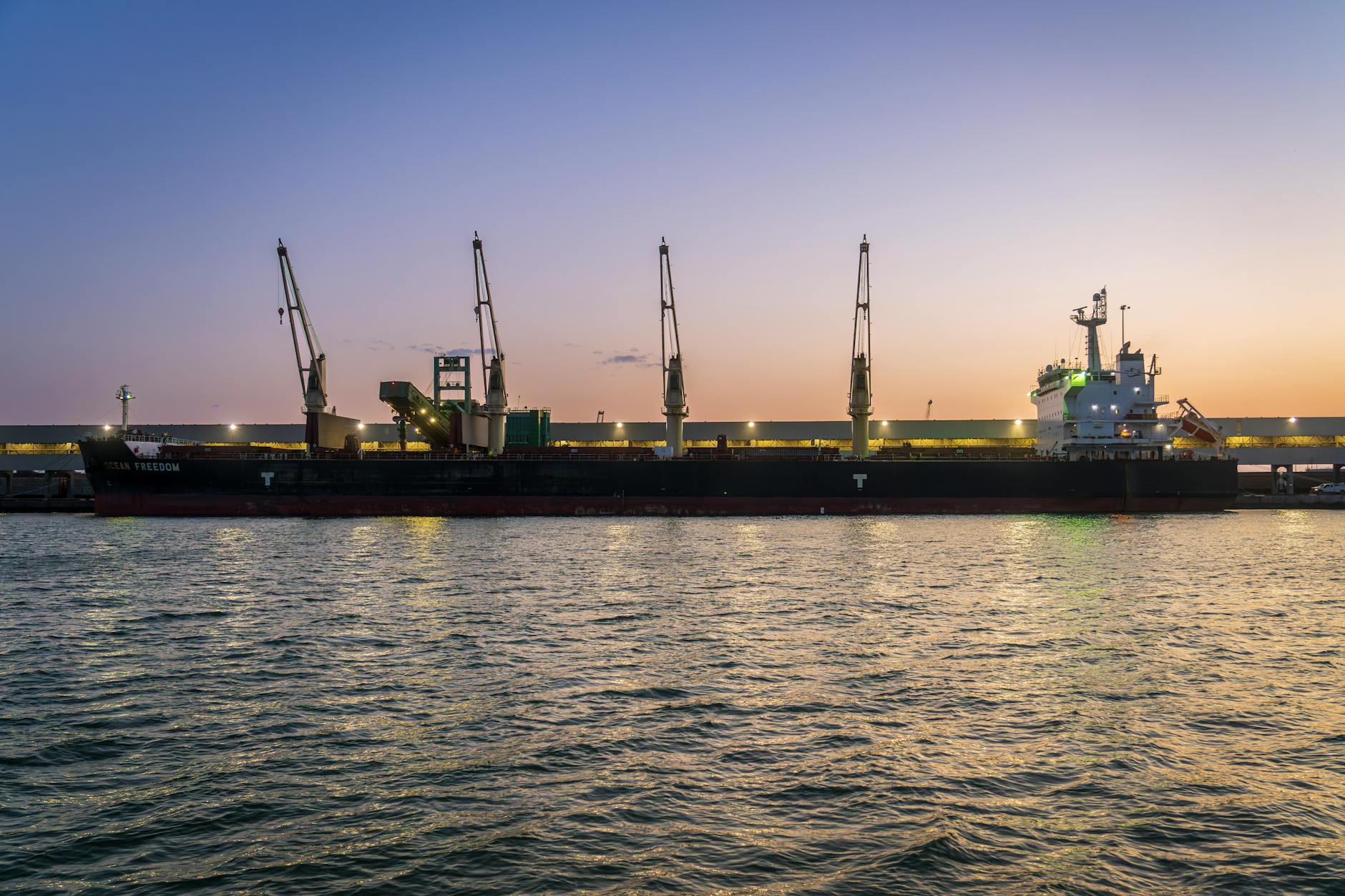
The Baltic Dry Index measures global shipping costs for dry bulk goods. It's a key, unfiltered indicator of economic health and trade demand, especially for Asia. Movements in the BDI directly impact trader margins, logistics, and risk management.
Shipping's Canary in the Coal Mine: Why the Baltic Dry Index Matters to Asian Trade
The Baltic Dry Index (BDI) doesn't make headlines like equity indices or cryptocurrency prices, but it arguably tells a more honest story about global economic health. For Asian traders, logistics operators, and anyone with skin in the trade finance game, the BDI is the pulse of real commerce—and right now, that pulse is sending mixed signals.
Tracked daily by the London-based Baltic Exchange since 1985, the BDI measures the cost of shipping major dry bulk commodities—iron ore, coal, grain, and phosphate—across the world's key routes. It's an average of 30 shipping routes, weighted by vessel size. When the BDI rises, it means ships are scarce and demand is strong. When it falls, it signals weakening global trade or oversupply. There's no earnings guidance, no accounting tricks. Just supply, demand, and physics.
For Asia, the implications are immediate and material. The Malacca Strait alone handles roughly 25% of global maritime trade. Bunker fuel prices—the cost to operate these vessels—fluctuate with oil markets and route congestion. Palm oil trade flows through Southeast Asian ports; bunker suppliers in Singapore and Rotterdam quote prices daily based on global arbitrage and demand forecasts. When the BDI compresses, so does the margin for ship operators, which cascades into pressure on port utilization, warehousing, and trade finance availability.
Consider the recent dynamics. Seasonally, the BDI weakens post-Chinese New Year as demand normalizes. But structural shifts matter more than seasonality now. Chinese steel demand remains soft—property investment hasn't recovered as fast as Beijing hoped. Indian coal imports, typically a BDI tailwind, face capacity constraints at Indian ports. Brazilian iron ore exports, the swing factor for BDI volatility, depend heavily on weather and operational efficiency at Vale's mines.
For trade finance professionals, BDI weakness creates spreads. When shipping costs drop, commodity spot prices typically lag, creating arbitrage windows for those with working capital and hedging discipline. Conversely, BDI spikes—triggered by port congestion, geopolitical friction in the Malacca Strait, or unexpected vessel casualties—squeeze margins for traders holding long inventory positions. Insurance costs for marine risks spike accordingly.
The Malacca Strait remains the critical chokepoint. Any disruption—piracy, naval incidents, or environmental blockages like the Ever Given debacle in 2021—instantly reprices shipping and creates logistical chaos. Bunker fuel prices along the route reflect this premium. Singapore's position as the world's largest bunkering hub isn't accidental; it's geographic arbitrage married to political stability.
Looking forward, three factors deserve attention. First, global trade volumes remain subdued relative to pre-pandemic trends, suggesting the BDI won't spike dramatically without major demand shocks. Second, vessel oversupply from recent building cycles keeps fundamental pressure on rates. Third, emerging geopolitical friction—whether in the Strait or elsewhere—creates tail risks that make hedging more valuable, not less.
For Asian exporters and importers, the message is straightforward: monitor the BDI as a leading indicator of your own margins. It won't predict your business outcomes, but it will flag when structural stress is building in the system. When it rises sharply, secure hedges. When it falls persistently, prepare for extended margin pressure and competitive intensity. Either way, you're trading on a market that doesn't lie.
Frequently Asked Questions
What is the Baltic Dry Index (BDI)?
The BDI is a daily index that tracks the average cost of shipping major dry bulk commodities like iron ore, coal, and grain across key global routes.
Why is the Baltic Dry Index important for Asian trade?
Asia is a hub for global maritime trade. The BDI directly impacts shipping costs, port activity, and profit margins for Asian exporters and importers.
What causes the Baltic Dry Index to rise or fall?
It rises due to high demand for ships and commodities, or supply constraints like port congestion. It falls due to weak trade demand or an oversupply of vessels.
How does the BDI affect trade finance and logistics?
BDI movements create arbitrage opportunities or margin pressure for traders. It influences bunker fuel pricing, port utilization, and the cost of marine insurance.