Soho House is opening a members' club in Tokyo's Aoyama district. For Asia-Pacific investors, the venue signals rising demand for collectible assets — watches, art, whisky casks — among the high-net-worth creative demographic this postcode attracts, with secondary market implications worth tracking through 2025–2026.
Soho House Tokyo: What the Aoyama Opening Means for Alternative Asset Investors
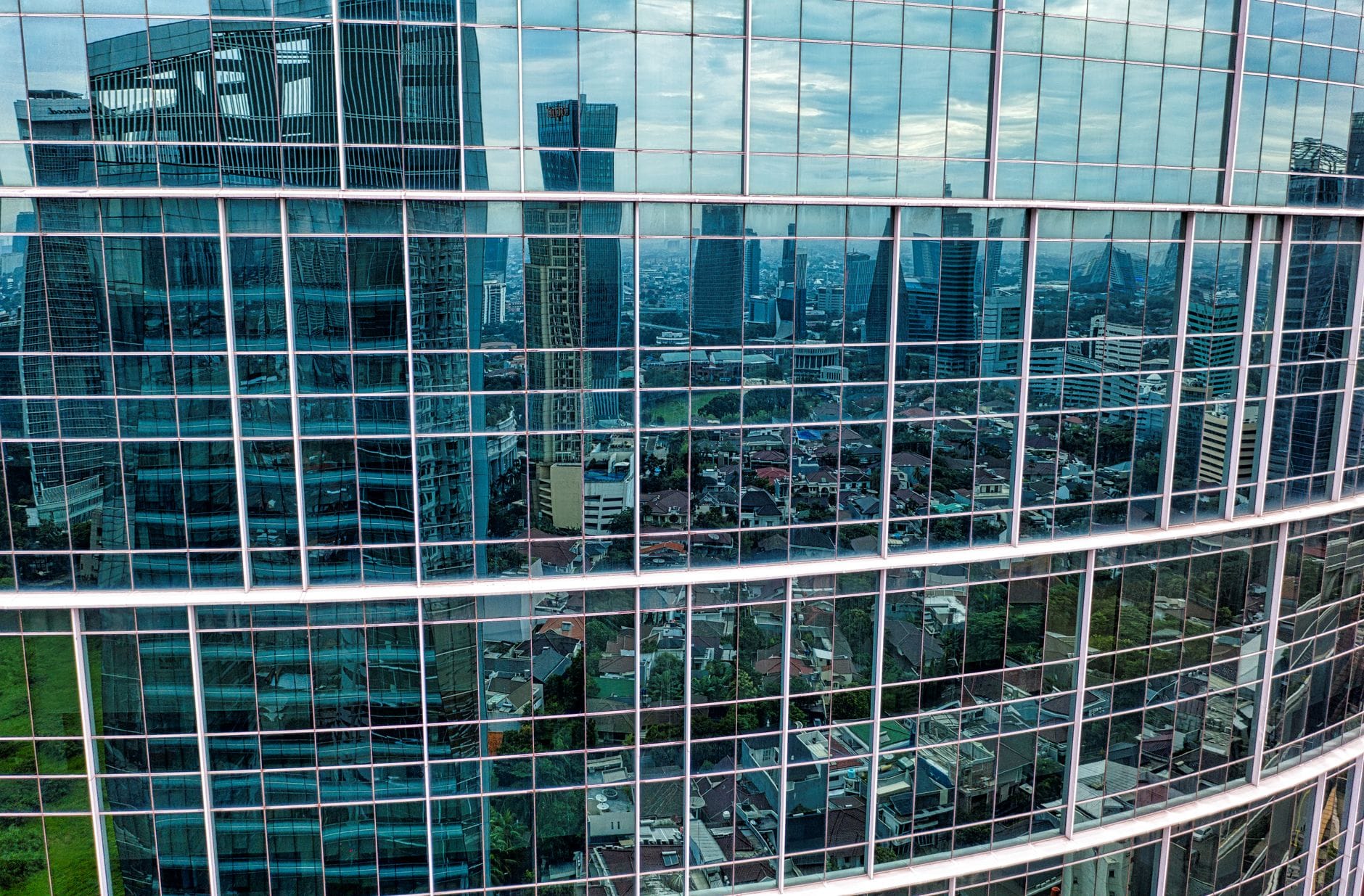
When a globally recognised private members' club chooses Tokyo's Aoyama district as its latest outpost, the decision is rarely arbitrary. Aoyama sits at the intersection of Japan's luxury retail corridor, high-net-worth residential zones, and the country's most concentrated gallery and design district — a geography that has consistently attracted institutional-grade capital. Soho House's Tokyo edition, opening in this postcode, is not simply a hospitality play. It is a signal about where affluent creative professionals are congregating, and where discretionary spending on experiential and collectible assets is likely to follow.
Soho House operates over 40 houses globally, with membership fees ranging from approximately $2,000 to $4,500 annually depending on tier and location. The brand's expansion into Tokyo follows successful Asia-Pacific footholds in Mumbai and a growing pipeline across the region. For family offices and private bankers tracking lifestyle-adjacent real estate and hospitality assets, the Tokyo opening is a data point worth noting: Soho House's parent company, Membership Collective Group, reported revenues of approximately $1 billion in its most recent full fiscal year, with membership income growing at a compounded rate that outpaced broader hospitality benchmarks post-pandemic.
Why Aoyama? The Investment Geography of Tokyo's Creative Quarter
Aoyama is not a random choice. The neighbourhood commands some of the highest retail rents in Asia, with prime street-level space on Omotesando — Aoyama's main artery — running at approximately ¥80,000 to ¥120,000 per tsubo per month (roughly $530–$800 per square metre). Trophy commercial assets in this corridor have appreciated significantly over the past decade, even accounting for Japan's historically deflationary property environment. The Bank of Japan's pivot toward normalising interest rates in 2024 has added a new dimension to Tokyo real estate as an investable asset class, with international capital re-rating Japanese commercial property upward for the first time in a generation.
The concentration of galleries, auction house preview spaces, and design studios in Aoyama also makes it a natural hub for collectors. Christie's, Sotheby's, and Phillips all use Tokyo — and Aoyama specifically — as a staging ground for Asia-Pacific collector engagement. The presence of a Soho House in this district creates a gravitational pull for exactly the demographic that drives secondary market demand for watches, art, and rare collectibles: high-income, internationally mobile creatives aged 30–50 with discretionary capital and an appetite for tangible assets.
The Collectibles Connection: How Members' Clubs Correlate With Trophy Asset Markets
There is a well-documented relationship between the expansion of premium social infrastructure and the performance of collectible asset markets in gateway cities. When Soho House opened in Hong Kong, the city was in the midst of a sustained bull run for watch and art auctions — Christie's Hong Kong alone posted HK$3.2 billion in sales in 2018, the year the club's regional presence was most prominently felt. Singapore's emergence as a wealth management hub has similarly coincided with the opening of multiple private members' clubs, and the city-state now accounts for an estimated 15–20% of Southeast Asian watch auction volume.
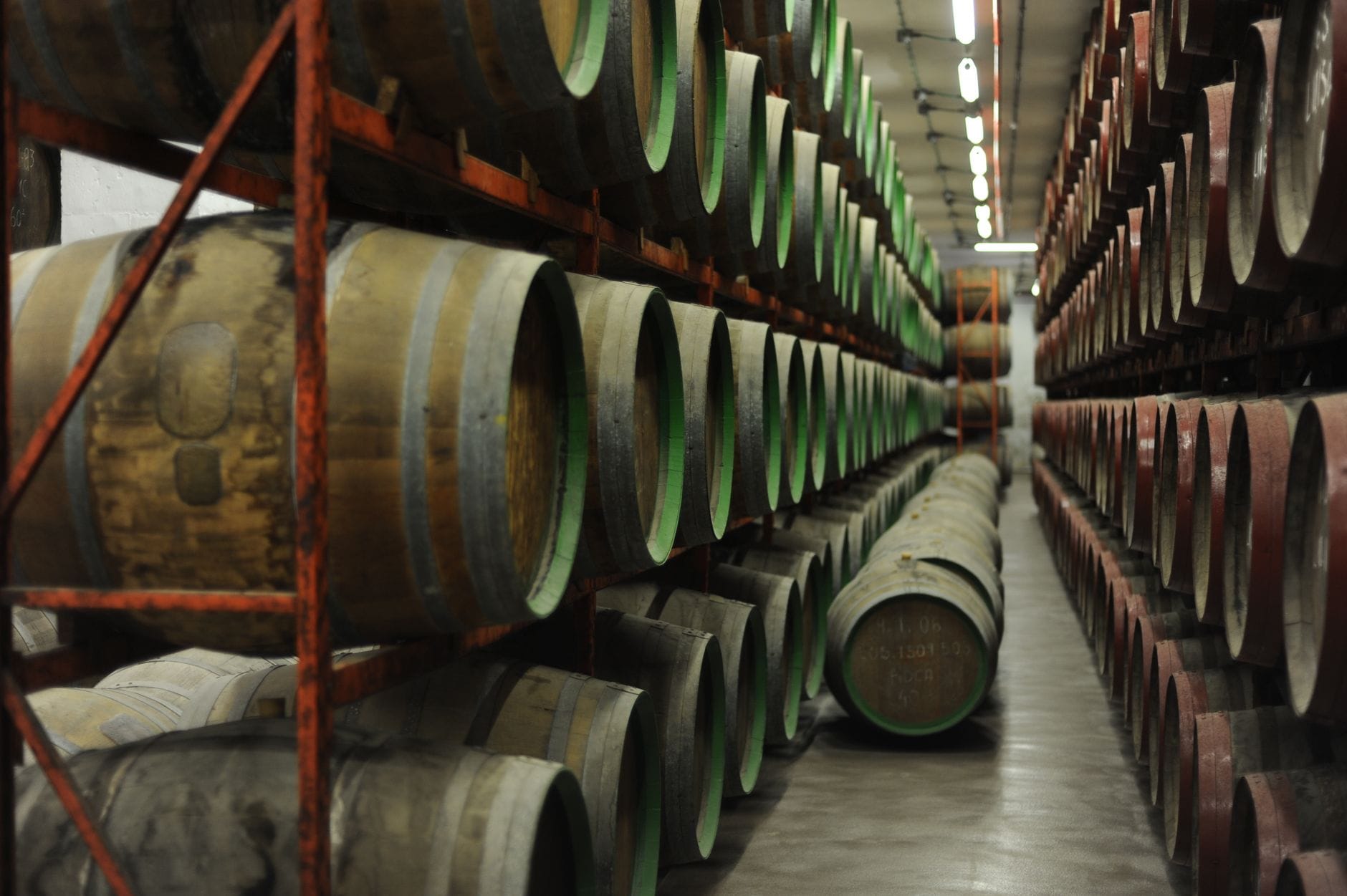
Tokyo's collectibles market is already substantial. The Japanese watch resale market is estimated at over $2 billion annually, with Rolex, Patek Philippe, and independent watchmakers like F.P. Journe commanding premiums of 20–40% above retail on the secondary market. Japanese buyers are also among the most active participants in Scotch whisky cask investment, drawn by the country's own deeply rooted whisky culture and the scarcity dynamics that drive cask appreciation. Rare single malt casks from distilleries like Macallan and Springbank have returned 10–15% per annum over five-year holding periods according to data tracked by specialist brokers, a figure that compares favourably with Japanese domestic equity returns over the same window.
What Investors Should Watch
The Soho House Tokyo opening is a leading indicator rather than a lagging one. When premium social infrastructure arrives in a city, it typically precedes a 12–24 month acceleration in discretionary asset acquisition by the membership demographic. Investors with existing exposure to Japanese art, watches, or whisky casks should monitor secondary market volumes in Tokyo through 2025 and 2026 for evidence of this effect. Those considering entry into the market should note that Tokyo's status as a relative value market — particularly for whisky and watches — may narrow as international attention increases.
For Asia-Pacific family offices constructing alternative asset allocations, the broader lesson is structural: the clustering of high-net-worth social infrastructure in specific urban nodes tends to concentrate and amplify collector demand, creating identifiable geographic arbitrage windows. Aoyama in 2025 bears watching in the same way that Singapore's Orchard and Hong Kong's Central did a decade ago — both of which preceded significant appreciation cycles in the collectibles categories most popular with their resident wealth cohorts.
Soho House Tokyo
📍 Aoyama, Minato-ku, Tokyo, Japan
⏰ Members only — application via sohohouseasia.com
🗺 View on Google Maps
Frequently Asked Questions
What is Soho House Tokyo and where is it located?
Soho House Tokyo is the latest outpost of the global private members' club brand, situated in the Aoyama district of Minato-ku, Tokyo. Aoyama is one of the city's most prestigious creative and commercial neighbourhoods, adjacent to the Omotesando luxury retail corridor and a dense concentration of galleries and design institutions.
How does a Soho House opening relate to alternative asset investment?
Private members' clubs historically correlate with increased discretionary spending on collectible assets — watches, art, whisky, and rare collectibles — among their membership demographic. The arrival of premium social infrastructure in a city tends to precede a measurable uptick in secondary market activity for trophy assets in that geography, making it a useful leading indicator for investors tracking regional demand.
Why is Tokyo's Aoyama district significant for investors?
Aoyama commands some of the highest commercial rents in Asia and hosts a concentration of auction house preview spaces, galleries, and design studios. The district is a hub for the high-net-worth creative demographic that drives demand for collectible assets, and Tokyo's broader property market is being re-rated upward following the Bank of Japan's 2024 interest rate normalisation.
What is the size of Tokyo's collectibles and watch resale market?
Japan's watch resale market is estimated at over $2 billion annually, with secondary market premiums of 20–40% above retail for key references from Rolex, Patek Philippe, and independent makers. Tokyo is also an active market for Scotch whisky casks, with Japanese buyers drawn by cultural affinity with whisky and the documented appreciation returns — approximately 10–15% per annum over five-year holding periods — tracked by specialist brokers.
How should Asia-Pacific family offices interpret this development?
The Soho House Tokyo opening is best read as a leading indicator of accelerating collector demand in the Aoyama catchment area. Family offices with existing exposure to Japanese watches, art, or whisky casks should monitor secondary market volumes through 2025–2026. Those considering new allocations should note that Tokyo currently represents relative value compared to Hong Kong and Singapore, a window that may narrow as international attention grows.
💼 Exploring alternative asset allocation? Speak to Whisky Cask Club — Singapore's leading specialists in Scottish whisky cask investment.