
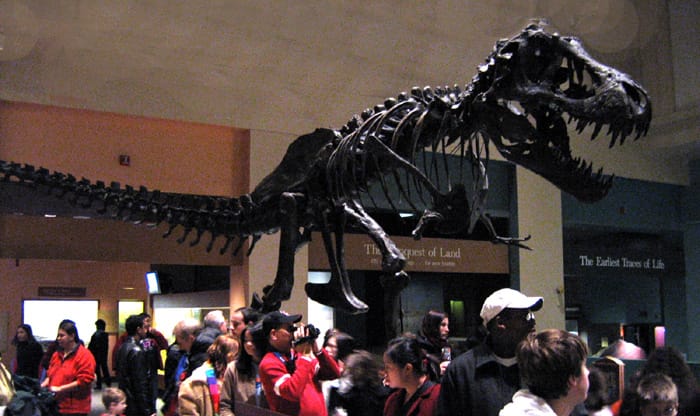
A near-complete T. rex skeleton named Gus sold at Sotheby's for $50 million, setting a new dinosaur auction record. The result signals growing ultra-high-net-worth appetite for scientifically significant natural history specimens, though liquidity constraints and export regulations remain key risks for APAC-based allocators.
A nearly complete Tyrannosaurus rex skeleton nicknamed Gus sold at Sotheby's for $50 million, setting a new auction record for a dinosaur fossil and underscoring the accelerating institutional appetite for rare natural history specimens as collectible alternative assets.
For APAC family offices and private bankers tracking hard-asset diversification, the result is a data point worth filing. Natural history specimens have moved well beyond cabinet curiosity status: auction volumes for fossils, meteorites, and paleontological material have climbed steadily over the past decade, and the Gus result suggests the ceiling for trophy-grade material remains untested. The $50 million figure surpasses prior benchmark sales and signals that a new cohort of ultra-high-net-worth buyers , many of them based in the United States, the Gulf, and increasingly Asia , is prepared to allocate meaningfully to scientifically significant specimens.
Gus was excavated in South Dakota, a state that has produced a disproportionate share of the world's commercially significant T. rex finds. Near-completeness is the critical valuation driver in this category: fragmentary specimens trade at a fraction of the price, while skeletons retaining more than roughly 70 percent of original bone command exponential premiums. Sotheby's has now handled several of the most significant dinosaur sales on record, positioning the major auction houses as the primary price-discovery mechanism for an asset class that lacks a transparent secondary market or standardised appraisal framework. Key characteristics that drove Gus's valuation include:
- Near-complete skeletal preservation from a South Dakota excavation site
- T. rex species designation, the most recognisable and demand-driven dinosaur genus at auction
- Institutional-quality provenance documentation supporting the $50 million hammer
- Sale conducted through Sotheby's, which has established dominant deal flow in the fossil category
- Result exceeds prior dinosaur auction records, resetting comparable benchmarks for the market
Liquidity remains the structural constraint. Unlike whisky casks, fine wine, or even blue-chip contemporary art, the fossil market has no active dealer network at scale, no index, and no liquid secondary tier below the major auction houses. Holding periods are long, storage and conservation costs are material, and export regulations , particularly relevant for Asian buyers seeking to repatriate specimens , vary significantly by jurisdiction. China, for instance, maintains strict controls on fossil imports and exports, which effectively limits the buyer pool for mainland-domiciled collectors and family offices.
Why it matters: The Gus result will recalibrate reserve pricing across the natural history auction calendar for the next several years, and it is likely to draw fresh allocator attention to the broader category of scientifically significant collectibles. For APAC principals, the more actionable read is indirect: the same scarcity logic and trophy-asset premium that drove $50 million for a T. rex applies across rare natural history, and wealth managers in the region should expect client enquiries to follow. Due diligence on provenance, export compliance, and storage infrastructure will be non-negotiable before any serious allocation is made.
Source: Whisky Bulletin coverage of auction on Whisky Bulletin.