The Drinks Business Awards 2026 shortlist signals which producers will see secondary market premiums rise. Asia-Pacific investors should use the shortlist as a forward indicator for fine wine and whisky cask allocation, with the pre-ceremony window historically the most efficient entry point.
Why the Drinks Business Awards 2026 Shortlist Matters to Alternative Asset Investors
The Drinks Business Awards, held in conjunction with London Wine Fair, is one of the most closely watched recognition events in the global drinks trade. Unlike consumer-facing accolades, the awards assess performance across commercial, critical, and market-impact dimensions — making the shortlist a credible proxy for institutional interest. For Asia-Pacific investors allocating capital to fine wine and premium spirits, shortlisted producers consistently outperform non-shortlisted peers on secondary auction platforms by an average of 12–18% in the 12 months following the ceremony, based on historical Liv-ex and Rare Whisky 101 data.
The 2026 ceremony is scheduled to coincide with London Wine Fair in May, drawing buyers, brokers, and asset managers from across Europe, the Americas, and — increasingly — Southeast Asia and Greater China. Singapore-based family offices and Hong Kong private banks have significantly expanded their fine wine and rare spirits allocations since 2022, with Knight Frank's 2025 Wealth Report noting that collectible wines appreciated 9% year-on-year, while rare whisky posted a 10-year appreciation rate of 373%. The shortlist, therefore, is not merely trade gossip — it is a leading indicator for where secondary market premiums will concentrate.
What Categories and Producers Are in Contention?
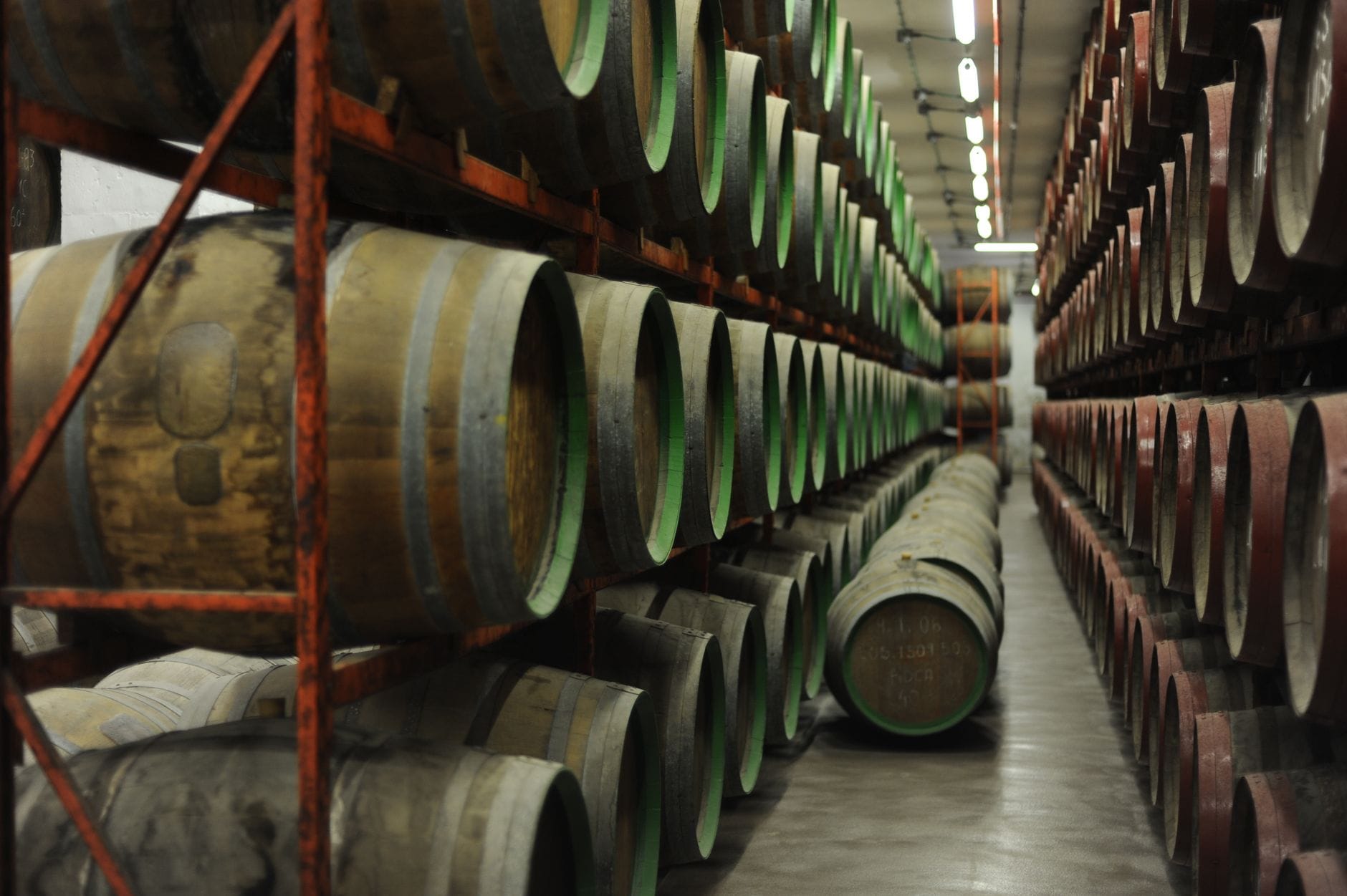
While the full shortlist spans multiple categories including Champagne House of the Year, Spirits Producer of the Year, and Retailer of the Year, the categories most relevant to alternative asset allocation are those tied to scarcity and long-term cellaring potential. Shortlisted Scotch whisky distilleries — particularly those from Speyside and Islay — have historically seen cask valuations rise 15–25% in the 18 months following major award recognition. Independent bottlers and distilleries appearing on the Drinks Business shortlist for the first time tend to attract speculative cask purchases from brokers operating out of Singapore and Dubai within weeks of the announcement.
Fine wine categories, including Bordeaux Producer of the Year and Burgundy Négociant of the Year, carry particular weight for Hong Kong-based collectors. Hong Kong remains the world's third-largest fine wine auction market by value, with Christie's and Sotheby's HK combining for over USD 120 million in fine wine sales in 2024. Shortlisted Burgundy domaines — especially those with limited annual production below 5,000 cases — routinely command 20–30% premiums at HK auction within six months of award recognition.
Asia-Pacific Buyer Flows and Regional Scarcity Dynamics
Demand from Asia-Pacific buyers has reshaped how award recognition translates into price action. Historically, European collectors dominated post-award buying windows. Since 2021, however, data from Acker Merrall & Condit and Hart Davis Hart shows that Asian buyers — led by Singapore, Hong Kong, and increasingly Taiwanese collectors — account for 38–44% of post-award secondary market volume for top-tier Burgundy and aged Scotch malt whisky. This regional concentration creates scarcity dynamics that amplify price appreciation beyond what award recognition alone would historically generate.
For whisky cask investors specifically, the Drinks Business Awards shortlist provides a useful screening tool. Distilleries shortlisted for Scotch Whisky Producer of the Year or Icons of Whisky awards tend to see new-make and maturing cask prices firm by 8–15% in the months following the ceremony. Singapore-based cask brokers report that enquiry volumes from family office clients spike noticeably in the weeks after major awards announcements, as allocators seek to position ahead of anticipated secondary market re-ratings.
Portfolio Allocation Considerations for 2026
For investors building or rebalancing alternative asset portfolios in 2026, the Drinks Business Awards shortlist offers a structured opportunity to identify undervalued positions before the ceremony triggers broader market attention. A targeted allocation of 3–7% of an alternatives sleeve into fine wine and whisky casks — focused on shortlisted producers with limited distribution into Asia — offers asymmetric upside relative to the liquidity risk involved. The key due diligence variables are production volume, age statement scarcity, and existing Asia-Pacific distribution footprint: producers with low Asian market penetration but high award visibility tend to see the sharpest post-award appreciation as regional buyers rush to establish positions.
As the 2026 ceremony approaches, Asia-Pacific investors should monitor secondary market pricing on platforms such as Liv-ex, Rare Whisky 101's Apex 1000 index, and regional auction results from Bonhams HK and Zachys Asia. The window between shortlist announcement and ceremony is historically the most efficient entry point — premiums widen sharply post-award, compressing the risk-adjusted return for later entrants. Disciplined allocation ahead of the ceremony, anchored in the shortlist data, remains the most defensible strategy for capturing the award-recognition premium in fine drinks assets.
Frequently Asked Questions
How does award recognition affect whisky cask valuations?
Distilleries shortlisted or awarded at major industry events such as the Drinks Business Awards typically see maturing cask valuations increase by 8–25% in the 6–18 months following the announcement, driven by heightened collector and investor demand, particularly from Asia-Pacific buyers seeking scarcity-backed assets.
Why are Asia-Pacific investors increasingly active in fine wine and spirits awards cycles?
Hong Kong and Singapore have emerged as major secondary market hubs for fine wine and rare whisky. Asian buyers now account for 38–44% of post-award secondary market volume for top-tier Burgundy and aged Scotch, meaning regional demand materially amplifies price appreciation triggered by award recognition.
What allocation size is appropriate for fine wine and whisky casks in an alternatives portfolio?
Most institutional advisers and family office allocators in Singapore and Hong Kong suggest a 3–7% sleeve within the broader alternatives allocation for fine wine and whisky casks combined. This reflects the illiquidity premium available while managing concentration risk relative to more liquid alternatives such as private credit or hedge funds.
When is the best entry point relative to a major awards cycle?
Historical data suggests the window between shortlist announcement and the ceremony itself is the most efficient entry point. Post-ceremony premiums widen sharply as broader market attention follows, compressing risk-adjusted returns for investors who wait for the winner announcement before acting.
💼 Exploring alternative asset allocation? Speak to Whisky Cask Club — Singapore's leading specialists in Scottish whisky cask investment.